
 E-Paper



'Public transport should woo car users towards mass transportation'
With more than 1 crore commuters travelling to work and back every day in suburban trains and buses, the public transport system in Mumbai should be largely citizen-centric and designed to serve the next generation, experts said.


With more than 1 crore commuters travelling to work and back every day in suburban trains and buses, the public transport system and infrastructure in Mumbai should be largely citizen-centric and designed to serve the next generation, which will be more comfortable with technology, said Aditya Rath, associate director, PricewaterhouseCoopers (PwC) in an international seminar on Mega City Mass Transit Options, conducted by Mumbai Railway Vikas Corporation.
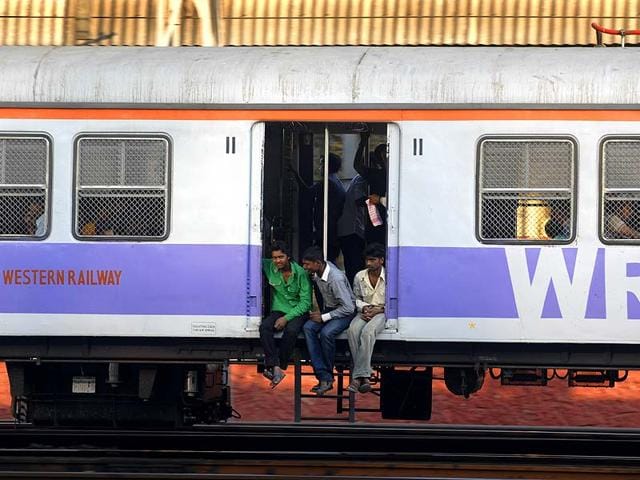
Though city-based transport authorities have commissioned various modes of public transport and infrastructure projects recently such as the Santacruz-Chembur link road, eastern freeway, metro and mono rail, none of them have inspired enough enthusiasm in passengers to switch over from suburban trains or private cars, to transport systems like the metro and monorail, transport experts present at the event pointed out.
“The Santacruz-Chembur link road or eastern freeway has reduced traffic on other roads, but has failed to shift car users to mass transport systems like the metro,” said Rath.
He explained that at present, our public transport systems are designed to take passengers from point A to B. Rather, our focus should be on providing a comfortable commute from source to destination, and this is where urban planning and an integrated transport network plays a key role.
Public transport should now be designed keeping the needs of the next generation in mind. Children born after 2010 will be extremely tech-savvy, and their commuting needs will differ accordingly, experts pointed out. They will have a higher spending capacity and will look for comfortable travel, instead of struggling in multiple modes of transport.
“In foreign cities, soon after people land at the airport, they get an alert on their mobile phones informing them about the modes of public transport that can be taken. This is how communication and technology plays a role in persuading the public to use mass transport,” said Rath.
Rishi Aggarwal, research fellow at Observer Research Foundation (ORF) said, “It is true that instead of adopting best practices prevalent in global cities like London and Singapore where people are persuaded to travel in mass transport, we are investing public money in developing more infrastructure for private transport, such as roads, expressways and highways.”
Countries to learn from
The 7 countries ranked above average in the 2014 Urban Mobility Index. The common thing among all these countries is that they have efficient public transportation systems, resulting in minimum car usage:
Stay updated with all the Breaking News and Latest News from Mumbai. Click here for comprehensive coverage of top Cities including Bengaluru, Delhi, Hyderabad, and more across India along with Stay informed on the latest happenings in World News.


