
 E-Paper



Manifold increase in infiltration heightens security fears in Valley
With cross-border infiltration in Jammu and Kashmir growing to between three and five times over last year, fears of an increase in violence and attacks on security forces in the state in the coming winter months have risen.


With cross-border infiltration in Jammu and Kashmir growing to between three and five times over last year, fears of an increase in violence and attacks on security forces in the state in the coming winter months have risen.
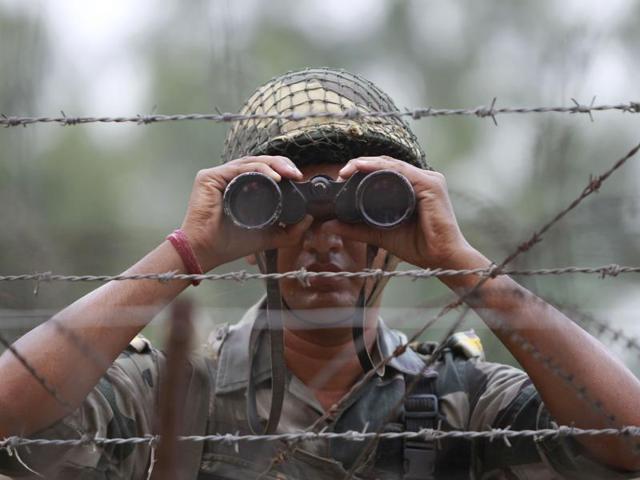
Intelligence agencies assess the number of infiltrators in 2015 at 33, while they agree that it has already touched 87 this year, with one of the higher estimates factoring in the low snowfall of March and April this year to arrive at the number of 150. In 2014, it was assessed that 65 infiltrators had crossed over the LoC.
Read | Fence it up: Expert panel suggests measures to curb border infiltration
Read | Security along India’s porous border with Pakistan needs a revamp
Adding a sinister edge to the situation is the input that more than 50 residents of the state have joined the ranks of militant groups after the killing of Hizbul Mujahideen commander Burhan Wani in an encounter with security forces on July 8.
“While Pakistan is using the current deterioration in bilateral ties to push in as many infiltrators as possible, there has been a lack of vigil on the Line of Control (LoC), particularly in Kupwara and Uri sectors, which has led to rise in cross-border activity. These infiltrators largely belong to the proscribed Lashkar-e-Tayyebba (LeT) or Jaish-e-Mohammad (JeM) terrorist groups with locals boosting the Hizbul ranks,” said a senior official on condition of anonymity.
“Increased infiltration has increased the number of militants / terrorists in the Valley to around 300 as compared to less than 200 in 2015 with youth getting radicalised on religious grounds,” said the official.
Read | Pak army watching Indian border, ‘fully prepared to respond’
After the September 18 Uri attack, LeT leader Hafiz Saeed and JeM leader Masood Azhar have slipped below the radar but their PoK-based commanders like Muzammil and Rauf Asghar are pushing the infiltrators across with the covert support of the Pakistan Army.
“The coming months may see more violence in Valley with Pakistan Army and political leaders vying with each other to be more strident on the Kashmir issue. More attacks on the security forces are expected as the Valley shuts down for winter,” the official said.


