
 E-Paper



As China asserts power, India needs to consider engaging with Taiwan
As Xi begins his third term, we will witness a more assertive China that will continue the military intimidation of India and Taiwan. Therefore, it is only logical that the two countries strive to advance their bilateral ties

 Prefer HTon Google


India’s statements on the cross-Strait tensions between China and Taiwan in recent months seem to signal a policy shift on the latter. The transition was evident on August 12, when the ministry of external affairs spokesperson, Arindam Bagchi, said, “We urge the exercise of restraint, avoidance of unilateral actions to change the status quo, de-escalation of tensions and efforts to maintain peace and stability in the region.” This was New Delhi’s first significant comment on China-Taiwan tension since Beijing ordered military drills around the island it considers its own.
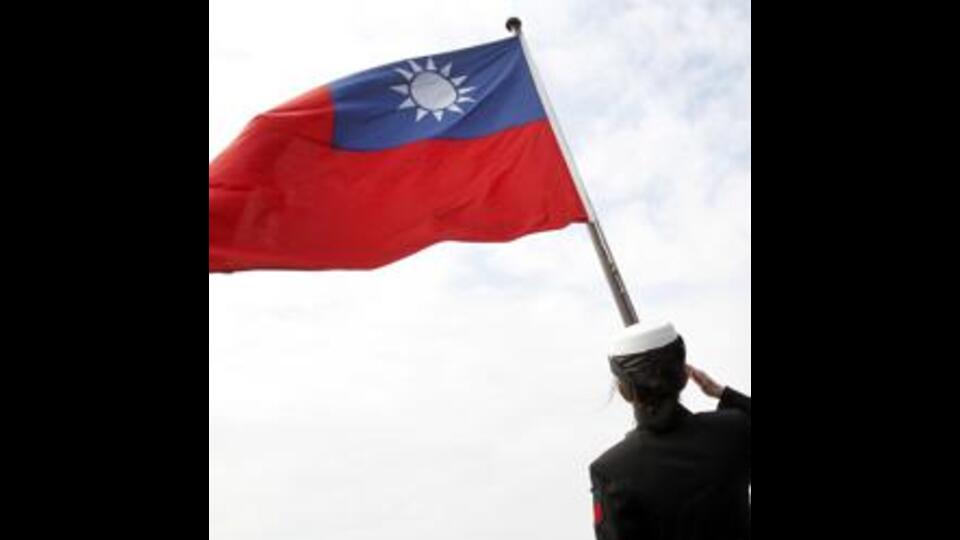
India’s Taiwan policy is witnessing subtle shifts. Since the onset of the pandemic, there seems to be a growing bonhomie between the Indian and Taiwanese civil society. Taiwan is perceived as an important economic partner and a like-minded country within the emerging Indo-Pacific construct. Importantly, Taiwan under China’s control (Chinese President Xi Jinping’s speech at the 20th Party Congress made it apparent that the use of military option to invade Taiwan is increasingly becoming an option) is detrimental to the interests of the major stakeholders in the Indo-Pacific, including India. From defending Air India’s decision to change the name of Taiwan to Chinese Taipei in its website in 2018 to asking the media to do what they deem fit after a Chinese embassy’s diktat on referring to Taiwan as a country, India’s Taiwan policy seems to be undergoing a transformation.
India was the second non-communist country to recognise the People’s Republic of China in 1950. Over the last seven decades, New Delhi never mentioned Taiwan while adhering to the One China Policy. However, since 2010, India has stopped mentioning the One China Policy in its joint statements with China. What has not been appreciated is that unlike other countries, including the United States (US), India never recognised Taiwan, a result of India and China’s tacit understanding of the One China Policy. India is also not hastily getting involved in the US-China geopolitical rivalry. The country, which follows the policy of strategic autonomy, is doing the right thing by forming its own Taiwan policy.
This apparent change in India’s stance could be linked to the deterioration of its ties with China, but examining such a shift in a larger context is essential. India does not view its engagement with Taiwan solely through the China lens. While complex relations with China do restrict the scope of India-Taiwan ties, India is one of the few countries that steer clear of playing the so-called Taiwan card. India considers Taiwan a valued partner and believes the relations between the two should take its own course. This explains India’s slow but steady outreach. There is consensus in the strategic community that India should engage with Taiwan much more holistically. Here are a few steps that can be taken to bolster its engagement.
First, while government-to-government interactions are restricted due to a lack of diplomatic ties, the Indian government should consider not discouraging Members of Parliament (MPs) from visiting Taiwan. Such exchanges have been a norm and part of the mandate of the relations. Discouraging MPs to visit Taiwan will help China’s narrative on Taiwan and allow it to direct the course of India’s foreign policy.
Second, Taiwan is not an official part of India’s Act East Policy, whereas India is a crucial priority country of Taiwan’s New Southbound Policy. Therefore, applying Act East Policy’s 3Cs — commerce, culture, and connectivity, and 3Ts of diplomacy — trade, technology, and tourism in its relations with Taiwan will accrue long-term dividends for India. Third, as India is acquiring a role of a rule-setter in the Indo-Pacific, it may have no option but to think of a role in a Taiwan contingency. Therefore, including Taiwan in its Indo-Pacific vision would serve India’s interests better.
As Xi begins his third term, we will witness a more assertive China that will continue the military intimidation of India and Taiwan. Therefore, it is only logical that two countries facing threats from a belligerent China and committed to safeguarding their sovereignty strive to advance their bilateral ties.
Sana Hashmi is post-doctoral fellow at Taiwan-Asia Exchange FoundationThe views expressed are personal


