
 E-Paper



Book Box | Stella Rimington: The spy who wrote
Dame Stella Rimington, MI5's first female chief, passed away at 90. Her memoir, "Open Secret," offers insights into espionage and women's challenges in intelligence.

 Prefer HTon Google


Dear Reader,

The first woman chief of British Intelligence (MI5) died earlier this month. Dame Stella Rimington, who passed away at 90 years on August 3 was the inspiration for the ‘M’ played by Judi Dench in the recent Bond films.
I was first introduced to this first lady of British Intelligence by Parul Bavishi, co-founder of London Writers Salon.
“You enjoy spy novels, don’t you ? You should read Stella Rimington - her novels are so real, she knows it all - she used to be the Director-General of MI5”.
Parul’s recommendation led me to Rimington’s fiction and to her memoir, works that together illuminate the world of intelligence from an insider’s perspective.
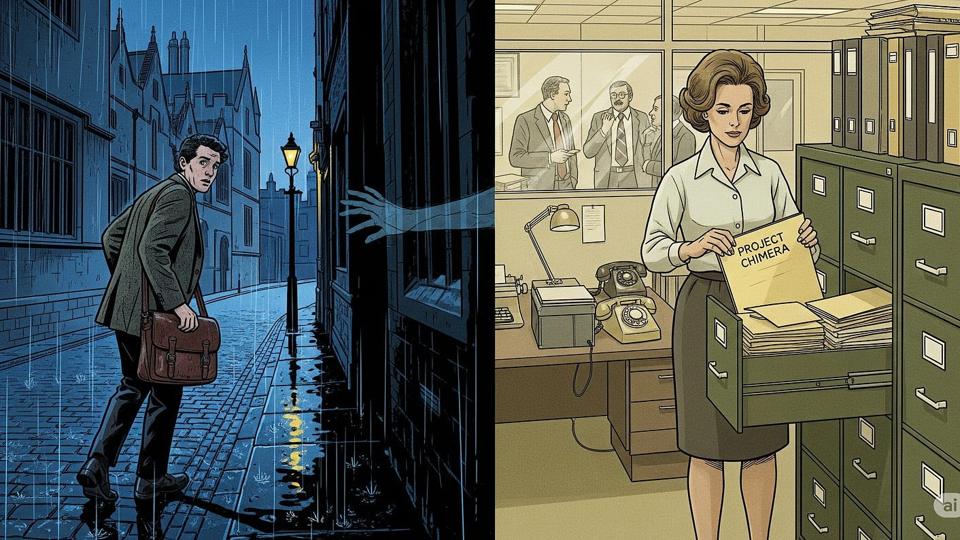
Rimington’s novel The Hidden Hand tackles a chilling question: How do you transform a brilliant academic researcher into a spy for the Chinese state ? Set across Harvard and Oxford, the book has a real world feel, with a racy story that probably owes much to the author having spent decades in counterintelligence. In another series Rimington features Liz Carlyle, MI5 operative, who takes on terrorists, Russian assassins and other troublemakers.
From spy novels I move to Open Secret, Stella Rimington’s memoir. It’s interesting how so many spies feel compelled to write their autobiographies, to step out from a world of mirrors and lies and tell their side of the story. If only it were so easy ! Such “tell-alls” are problematic. Stakeholders—governments, publishers, security agencies—stand ready to censor, stall, or bury uncomfortable truths. One only has to read Matthew Richardson’s excellent The Scarlet Papers—a novel about a retired female spy who is trying to publish her memoir—to see such hazards at close quarters.
Stella Rimington’s memoir saga may not have been quite as dramatic as the events in The Scarlet Papers. Yet her book reportedly came under fire and was heavily censored before publication.
So how does one read between these redacted lines? Here’s what to look for-
1. Rimington is a skilled writer. Her descriptions of wartime Britain—dodging bombs as a child, the quiet countryside years in Worcestershire working at the Public Records Office—demonstrate a novelist’s eye for atmospheric detail. These early chapters ground her later career in human experience, making the transition to intelligence work feel organic rather than dramatic.
2. Her memoir traces an unconventional path to power. Rimington’s entry into intelligence work began not through formal recruitment but through circumstance—filing and correspondence work while serving as a diplomatic wife in New Delhi. This “accidental” beginning reveals how intelligence agencies often identify and cultivate talent through informal channels.
3. Open Secret serves as an essential context for understanding Cold War espionage literature. While books like Ben Macintyre’s A Spy Among Friends and The Traitor and the Spy examine the period from a historian’s perspective, Rimington provides the institutional insider’s view—the daily atmosphere of mistrust, the bureaucratic machinery of counterintelligence, and the human cost of living within systems designed around suspicion.
4. This memoir offers a powerful examination of gender dynamics within Britain’s intelligence establishment. Rimington navigates a male-dominated institution, and her approach is pragmatic rather than confrontational. Her account of interviewing for the Mastership of Emmanuel College, Cambridge—a role she didn’t receive—is particularly revealing of the larger challenges faced by women seeking leadership positions.
Post retirement from MI5 came a little bit of literary fire - In 2011, Stella Rimington was designated the Chair of the judges of the Booker Prize, where she took a stand to focus on ‘readability’ thus inviting the ire of literary leading lights. The conflict culminated into a fiery prize night where Rimington, defending her approach against critics, compared their attacks to KGB tactics !
Today, in memory of Stella Rimington, read Open Secret. Don’t read it as a revelatory exposé. It won’t tell you what MI5 knew and when. It won’t name names that Macintyre hasn’t already unearthed.
But if you are interested in understanding both the reality of modern espionage and the challenges faced by women breaking barriers in such traditional institutions, this memoir offers a portrait of persistence, of a woman who lived by discretion but still managed to leave a mark, both on the intelligence services and on Britain’s literary culture. And if you are looking for more reasons to read her novels, here’s why we need spy stories.
Do write in with your favourite spy stories. And until next week, happy reading.
(Sonya Dutta Choudhury is a Mumbai-based journalist and the founder of Sonya’s Book Box, a bespoke book service. Each week, she brings you specially curated books to give you an immersive understanding of people and places. If you have any reading recommendations or reading dilemmas, write to her at sonyasbookbox@gmail.com. The views expressed are personal)


