
 E-Paper



Insurers must honour claims for vehicle damage on waterlogged streets
Considering the fact that motor vehicle policies today are no longer cheap, the least one expects from insurers is a more transparent , fair and honest policy document and an equally honest response to claims .


With heavy rains, flash floods and cloud bursts, the possibility of your vehicle getting damaged in floods or while driving through badly waterlogged roads, is very high. So also the chances of insurance companies refusing to pay for the repair that the car may have to undergo, particularly if the water has entered the engine and damaged it. So as a consumer, you need to understand the grounds on which insurers refuse to indemnify your loss and how to minimise such chances and the remedy available to you to counter any unjust denial of claim.
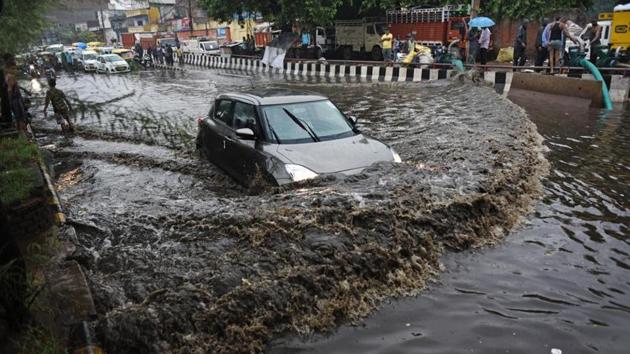
If you look at a comprehensive motor insurance policy, you will see no reason why an insurance company should not pay for repair of a vehicle or its engine, damaged in a flood or a flooded road. The policy after all, covers loss due to several natural calamities including floods, cloud bursts, landslides, etc. However, if the water enters the engine causing a hydrostatic lock, the repair is expensive and so the insurance companies use an all-encompassing exclusion clause –consequential damage- to reject your claim. You are told that the engine damage is not caused from the flood or rain water, but from the driver of the car either driving fast through an inundated road or repeatedly trying to start a car stalled on an inundated road, resulting in the water entering the engine. Thus, the engine damage is a consequence of the consumer’s failure to safeguard the vehicle –a breach of the policy condition- and a consequential damage, not covered under the policy, you are informed.
However in Bharati Axa General Insurance Company V Chandra Mohan Goyal (RP No 4504 of 2014, decided on Feb 5, 2015 ), while dismissing the contention of the insurance company that the engine damage caused on account of hydrostatic lock was a consequential damage coming under the exclusion clause, the apex consumer court pointed out that the policy clearly said it covered floods, cyclone, hailstorm, etc. Thus a damage to the vehicle on account of hydrostatic lock caused due to flooding of the roads, would also be covered for reimbursement. Besides, the policy did not exclude hydrostatic lock. So in the absence of such an exclusion clause, the insurer had to pay for the damage caused by heavy rains and flooding, the National Consumer Disputes Redressal Commission said.
The Insurance Ombudsmen too have similarly dismissed the argument of the insurance companies that they will not pay for engine damage caused as a result of flooding of roads,. In Shri JItendra Kumar Vs Iffco Tokio General Insurance Company Ltd (Award dated 21-12-2017), for example, the insurer argued that the engine damage was a result of the ‘mishandling and using the vehicle after the damage due to rain water’ and so it was a consequential loss not covered under the policy. However, the Ombudsman held that the engine damage was due to flood water , covered under the policy.
If the insurers want to reduce their burden on paying for hydrostatic lock, they must educate consumer about the ‘do’s and dont’s ‘ of driving on a flooded road. In fact they must give a written note about this to every policyholder. They also have an obligation under the Insurance Regulatory and Development Authority (Protection of Policy Holders’ Interests )Regulation, to explain to the consumer, ‘clearly and explicitly’, the policy conditions, including the exclusion clauses, It is also important to remove ambiguities in the policy and be more specific, be it in respect of the what the policy covers or does not cover.
Considering the fact that motor vehicle policies today are no longer cheap, the least one expects from insurers is a more transparent , fair and honest policy document and an equally honest response to claims .


