
 E-Paper



Policies and People | The Kedarnath garbage dump photo should be a wake-up call
With increasing urbanisation and tourism in the Himalayas, the harmful impacts of growing volumes of unmanaged waste are growing. Decentralised waste management is the way forward

 Prefer HTon Google


Last week, a photo shared by ANI, a news agency, went viral. It showed plastic bottles, discarded plastic sheets, and other waste materials strewn across a camping area near the Kedarnath temple, Uttarakhand, with the pristine snow-covered Himalayan range in the background. As the photographs went viral, many citizens and environmentalists raised concerns about the long-term effects of such mindless actions on the ecologically sensitive area, prone to flash floods and landslides. On Sunday, Prime Minister Narendra Modi also raised the issue and exhorted pilgrims not to litter the area and maintain the dignity of pilgrimage sites.
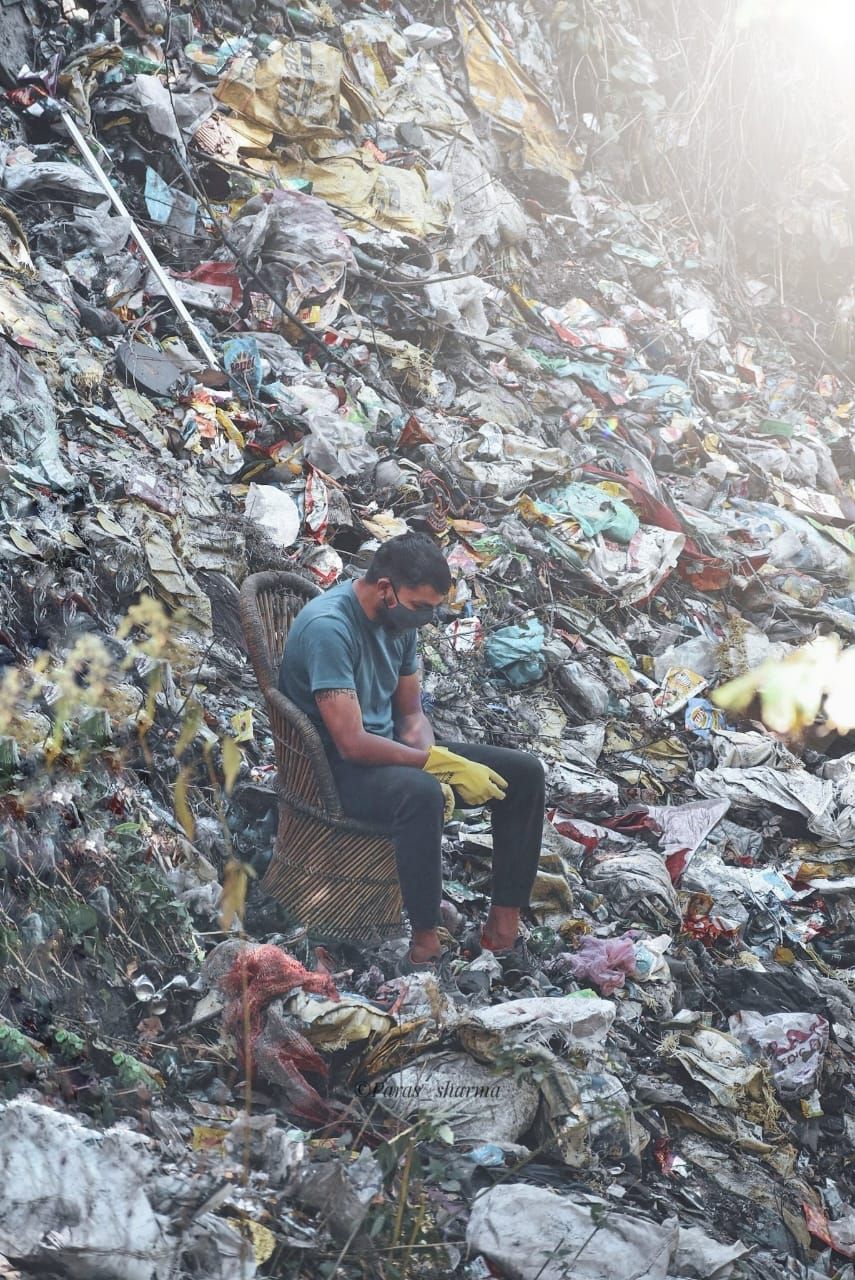
But what’s surprising about those photographs? Our hill towns, mountain slopes, and trek routers are littered with waste of all kinds. This is absolutely shameful. The new highway that is being built to connect the four pilgrim towns — Kedarnath, Badrinath, Yamunotri, and Gangotri — will only bring more such pilgrims/tourists who don’t understand the value of these ecologically important regions. So, brace for more waste and pollution. It’s a disaster in the making unless some drastic measures on waste management are taken.
The unique topography and climatic condition of the Himalayas — including British-era urban hill towns, protected areas, and high-altitude and remote villages that are part of trekking routes — requires a special approach toward solid waste management, says a World Bank report (India: Sustainable Solid Waste Management in Mountain Areas, 2021). Addressing these challenges, the report added, can unlock tremendous opportunities for local communities. Cleaner areas help provide a more attractive environment for tourism. Waste, if treated as a potential resource, can create jobs and new business opportunities for local entrepreneurs and be used as an energy source and fertiliser substitute.
Keeping the mountains pristine
This is exactly what Pradeep Sangwan, who runs the Healing Himalayas Foundation (HHF), has been saying for years and striving to implement on the ground.
Born and brought up in Haryana, Sangwan, an alumnus of Rashtriya Military School, Ajmer, became interested in the mountains and their ecology, and the local communities, during his college-going years when he would often trek to the Himalayas.
“With every passing year, I saw how irresponsible tourists and trekkers were destroying the beautiful areas. The locals were benefiting from tourism and were unaware of what this destruction could lead to,” he told me over a phone call from Kaza, Himachal Pradesh, on Tuesday.
In 2016, he started HHF to sensitise people on the protection of the Himalayas, promoting ethical travel and preserving the environment of the sacred region. The HHF team conducts 40-50 cleanup treks a year with volunteers. So far, HHF has helped collect more than 800,000 kgs of non-biodegradable waste from the foothills of the Himalayas. “It will take a lifetime to clean up the mess,” he says.
Drastic action
While doing these sorties, Sangwan realised that only clean-ups would not do; a long-term solution to the burgeoning problem is required. So now, along with clean-ups, Sangwan is spending time conceptualising and building material recovery facilities (MRFs). An MRF is a plant that separates and prepares single-stream recycling materials to be sold to end buyers.
To date, four MRFs are in various stages of development in Himachal Pradesh, where HHF primarily works: Rakcham (operational), Kinnaur; Narkanda (Shimla) and Pooh (Kinnaur, under construction, will be operational on June 5); Tabo (construction to start on June 15 and will be operational by August 1); Khoksar and Sissu (land allotment for MRFs under process).
At an MRF, multi-layered packaging is shredded and stored for road construction; PET bottles/containers and glass are sold for recycling; and sanitary waste is incinerated.
“Such a decentralised approach in the remote region is ideal because these areas lack source-segregation, waste aggregation and disposal of the waste. Since the amount of waste is not huge like in cities, recyclers don’t venture into these areas,” says Sangwan. Each of these MRFs will cater to the waste management needs of two or three villages.
However, the setting up of an MRF is not easy.
“We have to get the panchayat and local administration’s permission for land and other operational issues; and then get the local people on board to participate in this waste management and recovery programme,” said Sangwan. “A lot of time, energy and manpower are invested into community outreach activities, mainly focusing on the roles and responsibility of the villages, before we start the construction of an MRF.”
The model has to be self-sustainable, adds Sangwan: Commercial properties (bulk waste generators) must pay monthly to run daily operations. Panchayat must utilise funds from the Swachh Bharat Mission for the same, and the money accrued from selling the waste to recyclers must benefit a local community member managing an MRF.
While Sangwan is trying to fine-tune the ideal waste management solution for the mountains, he says it’s not the solution, instead, everyone’s focus should always be on reducing the use of non-biodegradable products in these areas and “mindful recreation and consumption”.
“I keep the environment in my mind while I travel… I keep my litter with me until I find a proper place to dispose of it and prefer to involve in the circular economy at the third pole of the world,” he added.
The views expressed are personal


