
 E-Paper



Luxury homes are moving beyond expensive finishes: 7 things homeowners are prioritising for timeless interiors
Luxury homes are shifting towards durable materials, good craftsmanship and everyday comfort. An expert shares seven priorities for timeless interior design.

 Prefer HTon Google


Luxury home interiors are evolving beyond expensive furniture, premium finishes and statement decor. Today, homeowners are increasingly looking for spaces that combine appeal with functionality, durability and comfort. From investing in better craftsmanship to choosing materials that can withstand years of everyday use, the focus is gradually shifting towards creating homes that look good and work well in the long run. This change is also influencing how people design their kitchens, wardrobes, windows, flooring and bedrooms. Rather than choosing materials because they look luxurious, homeowners are paying greater attention to how these products perform, how much maintenance they require and whether they suit their lifestyles. According to Het Dawda, Director, Zeqon Luxury in Land, Pune, homeowners are increasingly prioritising functionality, longevity and aesthetics together. He believes the industry is witnessing two contrasting design preferences: minimalism, which focuses on restraint and practicality, and maximalism, which celebrates colour, cultural references and individuality.
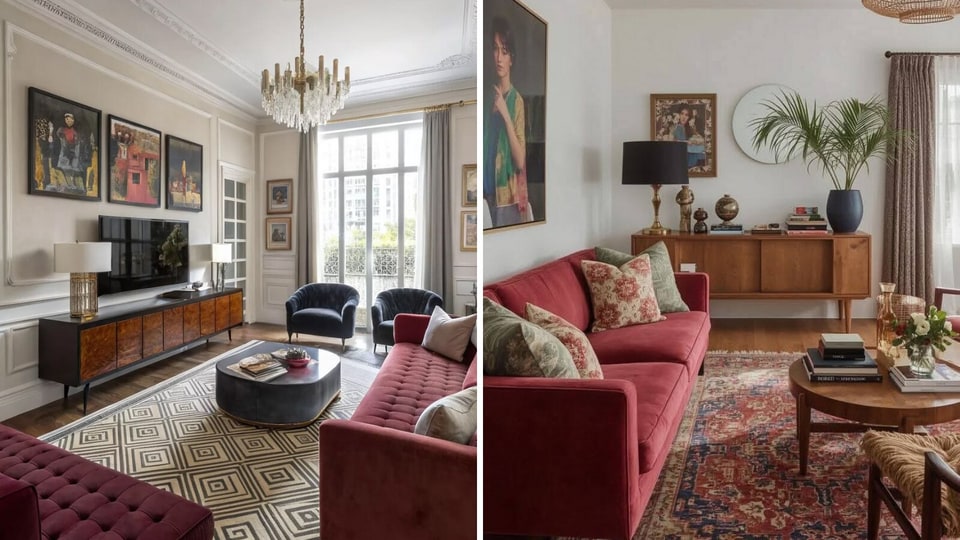

In a conversation with HT Shop Now, Dawda shares seven important considerations for homeowners planning a luxury interior, from selecting durable materials to investing in craftsmanship and designing spaces around everyday comfort.
1. Functionality is becoming as important as aesthetics
A visually appealing interior may catch the attention, but its real value depends on how well it serves the people living in the home. Homeowners are increasingly looking for solutions that combine good design with practical functionality rather than choosing products based on appearance alone. Dawda observes that the market has moved beyond the earlier emphasis on lower prices, with greater attention now being paid to how products perform and how long they last. Homeowners want complete solutions that fulfil their requirements without compromising on their preferred look and feel. This is particularly important when planning kitchens, wardrobes and storage units. A kitchen designed for a single person or a small household, for instance, may not meet the needs of a larger family that cooks frequently. Similarly, a wardrobe must account for storage requirements, accessibility and everyday use rather than simply matching the bedroom's colour palette. Before finalising an interior, homeowners should consider how each space will be used, who will use it and whether its design can accommodate changing needs over time.
2. Minimalism and maximalism are shaping luxury interiors
Luxury interiors are no longer defined by a single home design. According to Dawda, two contrasting decor trends are gaining attention: minimalism, which emphasises simplicity and functionality, and maximalism, which embraces expressive colours, distinctive designs and cultural influences. Minimalist interiors appeal to homeowners who prefer clean lines, muted colour palettes and timeless finishes in their home interior design. Rather than relying on elaborate decoration, these spaces use proportion, material quality and craftsmanship to create a refined atmosphere. Maximalist interiors, on the other hand, offer an opportunity to introduce personality through vibrant colours, layered patterns, distinctive furniture and cultural references. This approach can appeal to homeowners who feel that neutral palettes and restrained designs do not fully reflect their tastes.
3. Good craftsmanship and engineering deserve greater attention
One of the biggest changes in luxury home design is the growing emphasis on what lies beneath a product's surface. Materials may look impressive when newly installed, but poor workmanship or inadequate engineering can affect their performance over time. Dawda believes homeowners are becoming more willing to invest in quality craftsmanship because they do not want to renovate their homes every four or five years. In his view, people increasingly want stability and interiors that can withstand changing trends. He explains that good craftsmanship determines not only how a product looks when installed but also how well it continues to function over the years. This means homeowners should examine more than a product's finish. The quality of its construction, the precision of its fittings, the durability of its components and the suitability of its materials all deserve consideration.
4. Choosing the right material matters more than choosing the most expensive one
A higher price does not automatically make a material the right choice for a particular home. Its performance depends on the environment, intended application and maintenance requirements.
For this reason, homeowners should assess materials according to their intended use rather than treating price or popularity as the only indicators of quality. In kitchens, for instance, the frequency of cooking, exposure to moisture, cleaning requirements and household size can influence material selection. Flooring needs to be evaluated according to foot traffic, maintenance preferences and the demands of the space. Similarly, window materials should be considered in relation to the property's surroundings and performance requirements. Dawda also cautions against being influenced by marketing that presents products as luxurious or premium without adequately addressing their practical benefits.
5. Long-term planning can prevent expensive mistakes
Some investments may appear expensive at the beginning but prove valuable over time in home design. Dawda identifies superior materials and the guidance of an experienced interior designer as two considerations that can influence a home's long-term performance. An interior designer's role extends beyond selecting colours, furniture and finishes. Good planning also involves identifying potential challenges and developing solutions before they become problems. Thinking ahead can also help homeowners make better decisions about circulation, furniture placement and the practical use of available space. Dawda believes that an effective design should address not only a homeowner's current requirements but also anticipate challenges that may emerge in the years ahead. However, long-term planning does not mean adding unnecessary features to every room design.
6. Low-maintenance materials are becoming part of the luxury experience
For busy homeowners, luxury increasingly means the convenience of living in a home that does not require constant repairs, upkeep, or renovation. Dawda notes that people want comfort and peace of mind, rather than repeatedly dealing with problems caused by poor-quality products. He sees a growing preference for materials and solutions that perform reliably without frequent attention. This makes maintenance an important factor when choosing finishes, cabinetry, windows, and other permanent elements of an interior. Homeowners should ask about cleaning requirements, resistance to everyday wear, the availability of replacement parts, and the manufacturer's warranty. They should also understand that low-maintenance does not mean maintenance-free. Even durable materials need proper care to preserve their appearance and performance. Stainless-steel kitchens are one example Dawda highlights. According to him, these kitchens can offer advantages such as resistance to pests and termites, durability, and reduced concerns about weather-related effects on the material. They can also be designed to achieve a warmer appearance.
He shares the example of a client who wanted a stainless-steel kitchen with the look and feel of wood. The decision illustrates how homeowners can prioritise durability while still working towards a specific aesthetic. The broader lesson is that practical materials do not necessarily have to result in a cold or industrial-looking interior. Their appearance can be considered alongside their functional benefits.
7. Bedroom comfort and sleep quality are becoming central to luxury
The bedroom is another area where the idea of luxury is expanding beyond appearance. Alongside furniture, colour schemes and decorative finishes, homeowners are paying attention to lighting, mattress selection and the overall comfort of their sleeping environment in their bedroom design. Dawda points out that bedroom design involves several interconnected elements, from the colour palette and lighting to the bed and mattress. Each contributes to how comfortable and functional the space feels. When selecting a mattress, homeowners should consider their preferred sleeping position, the support they need, the feel of the mattress and the conditions in which it will be used. A product that works well for one person may not provide the same comfort to another.
Dawda also cautions against assuming that memory foam is automatically the best choice for everyone. Instead, he emphasises the importance of evaluating sleep products according to individual needs. Rather than treating the bedroom as a space to decorate after the rest of the home is completed, homeowners can approach it as an important part of their overall living experience.
How global design standards are influencing Indian homes
Exposure to international design and manufacturing standards is also changing homeowners' expectations. According to Dawda, people are looking beyond a product's visual appearance and paying closer attention to its construction, engineering and quality. He points to several categories that designers are recommending for high-end Indian homes, including stainless-steel kitchens, Italian furniture craftsmanship, sleek windows designed around German standards, versatile surface solutions and premium sleep systems.
These categories reflect different aspects of the same shift: homeowners are increasingly evaluating how products are made and how they perform, alongside how they look. However, international influences do not necessarily mean moving away from Indian design sensibilities. Contemporary homes can combine modern engineering with colours, materials and cultural references that reflect the homeowner's preferences.
What homeowners should remember before investing in luxury interiors?
A luxury home does not necessarily need the most expensive materials, elaborate finishes or the latest design trends. A more considered approach begins with understanding the household's needs and selecting solutions that balance aesthetics, functionality and durability. Dawda's insights point towards three practical priorities: invest in good craftsmanship, choose materials suited to their intended use and allow enough time for thoughtful planning and execution.
He also highlights the importance of realistic project timelines. While homeowners may want to complete an interior within a short period, rushing the process can put pressure on workmanship and decision-making. Adding skilled craftsmen may help projects meet tight deadlines, but adequate time remains important for achieving the intended result. Ultimately, the definition of luxury is becoming more personal. For some homeowners, it may mean a restrained interior with timeless finishes and precise craftsmanship. For others, it may mean expressive colours, distinctive furniture and a strong sense of individuality.
Frequently Asked Questions

Disclaimer: At Hindustan Times, we help you stay up-to-date with the latest trends and products. Hindustan Times has an affiliate partnership, so we may get a part of the revenue when you make a purchase. We shall not be liable for any claim under applicable laws, including but not limited to the Consumer Protection Act, 2019, with respect to the products. The products listed in this article are in no particular order of priority.


