
 E-Paper



Policies and People | To save forests, protect those who guard them
A parliamentary panel report has recommended State awards, better salaries, and proper amenities for forest guards. The central and state governments must take note and act quickly

 Prefer HTon Google


The buffer zone of Madhya Pradesh (MP)’s Kuno National Park (now famous for the cheetah translocation project) has an exquisitely beautiful point called Dob Kund. A fast-flowing stream that gains strength during the monsoons, Param, flows through the forested area and then falls from the edge of an expansive rock face to create the vast water body before continuing its journey.
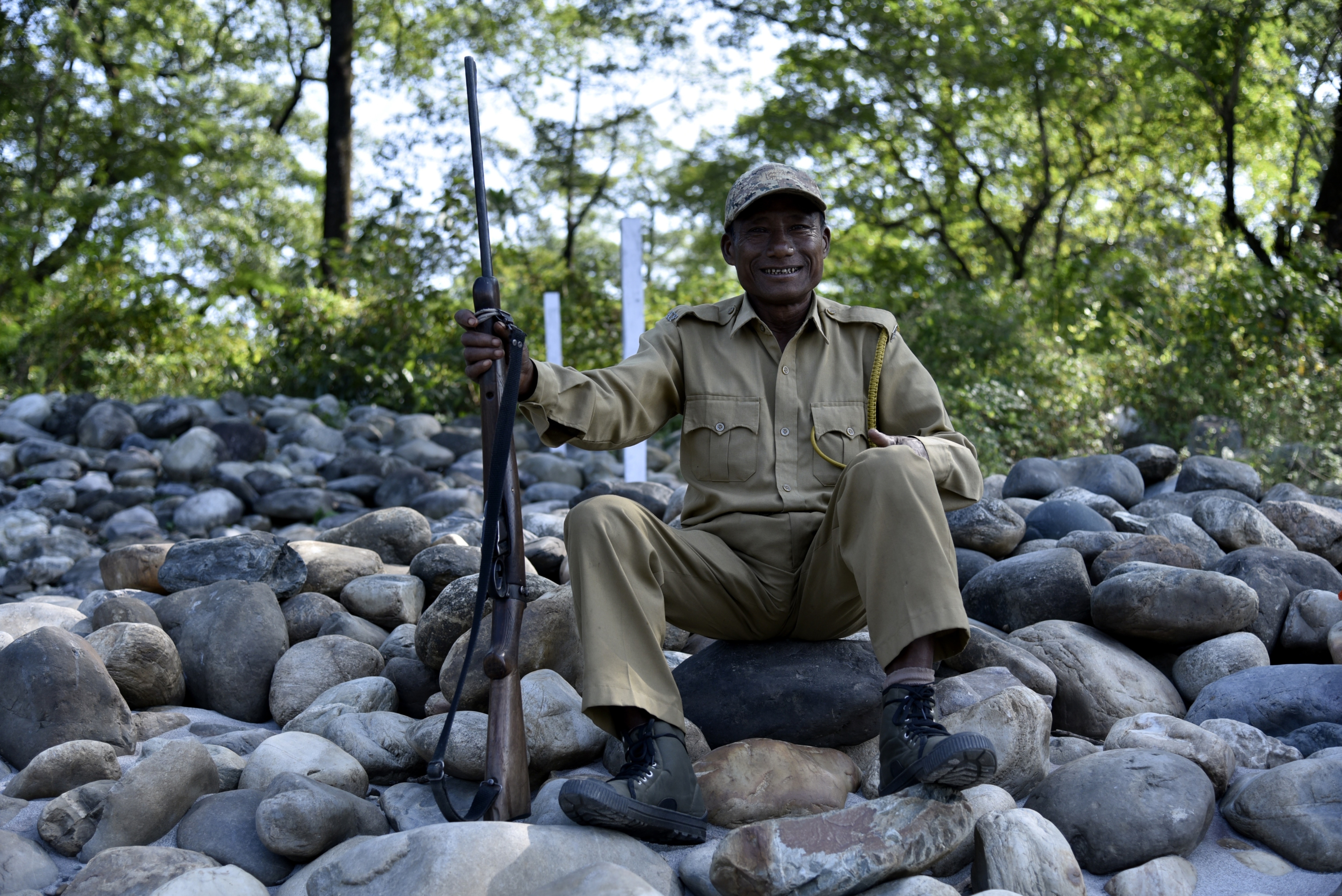
Next to the stream is a two-room forest chowki. Two forest guards stay here 24x7 to keep a hawk-eye vigil on the surrounding jungles. They patrol their respective zones (almost 6-7 km or more daily), and the list of their key responsibilities is daunting: A forest guard must know his beat well; he should patrol the forests constantly; he should keep an eye out for poachers; he should watch out for forest fires; he should check forest produce in transit, and keep a healthy working relationship with villagers who live near the forests and discourage them from poaching and forest encroachment.
Most guards don’t carry firearms; if there is any untoward incident or an attack on them, they have to tackle it all themselves until help arrives.
Lives are often lost in these jungle fights, but the news of deaths seldom reaches the world outside.
If the day’s work is complex and challenging, so is the life at chowkis. The chowki at Dob Kund, three kilometers from the nearest road, has no electricity (even solar) and a clean water source. Moreover, since the forest department doesn’t have any system for delivery of provisions, the guards themselves take turns going to the nearest town, Sesaipura, for their requirements. And for all this herculean effort, a forest guard makes around ₹25,000 per month.
A hard life
Naturally, discontent is building up.
“Saving India’s jungles is not easy. We work in very trying conditions. Yet we don’t get the same pay or perks as army men or those in paramilitary. At least, they move in groups. Here we face poachers, animals all alone,” one of the young forest guards told me. “On top of the daily work, there are also administrative duties”.
This is not an MP-specific phenomenon. Forest guards across India have similar stories to share.
If you are keen to watch the astonishing range of roles that forest guards play to keep our wild areas intact and the challenging conditions they work in, then watch Krishnendu Bose’s six-part series, Heroes of The Wild Frontiers.
One of the episodes on Sundarbans shows the floating camps of the guards. They are small, dark, dank boats that four to five guards share. “There are tigers on the land and crocodiles in the water... so if the boat malfunctions, we are trapped for days till help arrives,” said a forest guard.
Unlike Army men and police personnel, forest guards don’t get special allowances for hardship postings, even though they stay in the wilderness almost throughout their careers. Or, for that matter, State awards. Over the years, recruitment has also been slow, putting more pressure on the ageing cadre. Then there is the problem of outdated equipment such as rifles, lack of emergency medical assistance, and weak safety systems.
To appreciate the guards' work, one must understand why natural resources are essential. A report by the ministry of environment says India’s forests absorb 11.25% of greenhouse gases, which are responsible for the climate crisis. And emissions are increasing every year. In such a scenario, the role of forests, and forest guards, is critical.
And these hardened foot soldiers just don’t protect forests and wildlife on the land but also India’s marine resources such as corals. These corals are the breeding grounds of fish, a livelihood source for thousands of people.
The encroachment cases and man-animal conflict are also increasing, and India’s forests need well-trained field staff. “Technology can support, but nothing can replace trained and committed human resources,” Indian Forest Service (IFS) officer Parveen Kaswan told me in an earlier interview. After all, institutions are as strong as the quality of their frontline staff.
Kuno’s park director Prakash Varma also echoes Kaswan: “Yes, their work is very challenging and to keep their motivation high, it is important to give them the right support structure and incentives”.
Parliamentary panel report
So, it was heartening to read a report in Outlook, a news magazine, that a parliamentary panel this week has recommended the institution of President's Medals for forestry staff and salaries and related benefits on par with other uniformed services.
It has also suggested providing compensation and benefits to dependents of forest personnel martyred in the line of duty. The report focuses on skill enhancement and professionalisation of the staff along with the improvement in security and safety of the personnel on duty and their families.
The House report has also called for mandatory annual medical check-ups, access to subsidised ration and household provisions, and the establishment of welfare cooperative societies for the forest staff. Incentivising merit and the professional outlook of the frontline staff; and timely and adequate career progression are among the other recommendations.
The report encapsulates what the frontline staff has been demanding, and many progressive IFS officers have often supported these demands.
It’s time the recommendations of the report are discussed and debated, and the best package is designed for the forest frontline staff who keep our forests safe, a crucial requirement in this climate-hit world.
The views expressed are personal


