
 E-Paper



Politics in Mizoram is no longer bipolar
Despite multi-pronged politics in Mizoram, the longing for political change and reformation is palpable across all ages and social classes in the state.

 Prefer HTon Google


The multi-pronged contest for Mizoram’s ninth Legislative Assembly has reached its climax. National parties such as the Congress, the BJP and Aam Aadmi Party (AAP) on one hand as well as prominent regional outfits including the Mizo National Front (MNF) and Zoram People’s Movement (ZPM) are battling it out for the 40-seat Assembly. There are also 27 independent candidates including those representing ethno-religious ideologies such as Zoram Thar, making their presence known. That among the 174 candidates in the fray there are only 16 women indicates that Mizoram’s political scene continues to be largely male-centric and male-dominated.
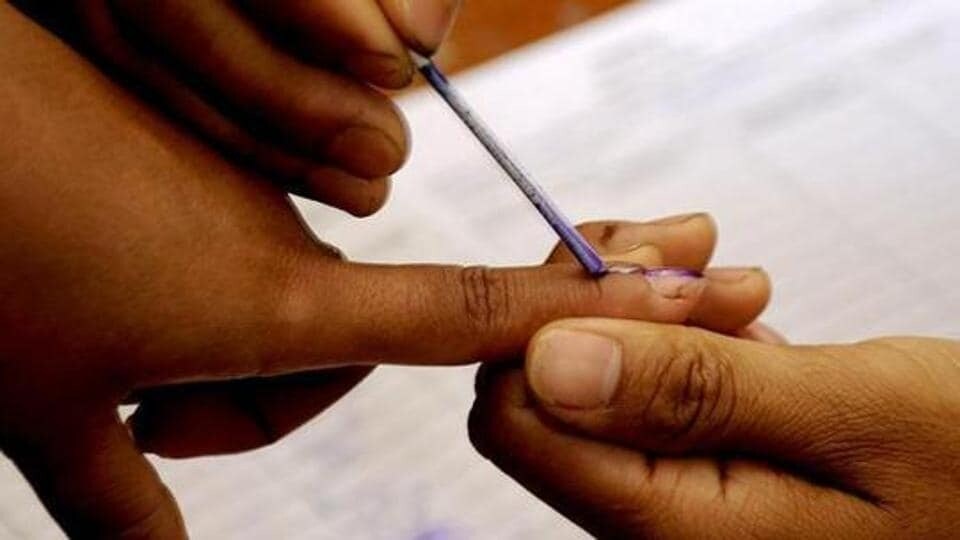
As voters head to the polling booths today, speculation is rife about a possible hung Assembly. There are already talks about post-poll alliances and the performances of the BJP and ZPM (which won one and eight seats in the 2018 assembly elections respectively) in a state where the MNF-Congress binary system has been in place for decades. The emergence of a viable “third front” regional party in the form of ZPM presents a real threat to the MNF’s run for a second term under the leadership of incumbent chief minister, Pu Zoramthanga. Meanwhile, the BJP with its 23 candidates is aiming hard to capitalise on minority sentiments in pockets to increase its vote share even while a majority of the Mizo public — across parties and neutral voters — continues to reject its ideology.
So, is this election about party manifestos and policies, and the usual tussles for electoral power? Or is there something much bigger, more significant and long-term on view? To Delhi, Mizoram may appear as a small, remote, rural, unsophisticated, tribal state. But it has its own thriving political culture, and a well-entrenched intelligentsia drawn from academicians, civil servants, thinkers, writers, observers, activists, media persons and the larger civil society acutely attuned to regional and national politics. The state’s linguistic homogeneity also allows for vernacular newspapers, magazines and broadcasting platforms to flourish. These have helped shape and disseminate uniquely Mizo Christian worldviews within the social and political arenas. The Protestant churches of Mizoram also continue to exert considerable influence over political life.
In every assembly election in Mizoram, discussions of development-related issues feature on the front pages of newspapers. The state is almost fully dependent on central grants. Amid reports of an upward trajectory in GSDP growth, the mounting debts and borrowings of the state government, crumbling health, educational, road and transport infrastructure particularly outside the capital Aizawl, and failures in the full implementation of the much-hyped flagship Socio-Economic Development Policy (SEDP) depict a gloomy scenario. The unresolved border dispute with Assam is also an existential issue for the public due to the state’s locational vulnerability and over-reliance on the 90-km stretch between Kolasib and Silchar along National Highway 306 (previously NH-54) as the economic lifeline. A once-and-for-all political solution had been greatly anticipated but has so far not materialised.
To be fair, the MNF government has had to deal with three unforeseen major crises during its five-year tenure: The Covid-19 pandemic, the Myanmar refugee crisis following the 2021 military coup and lastly, the Manipur ethnic conflict and large-scale displacement of the Kuki-Zomi people. While the pandemic had wreaked havoc on the state’s economy, its revenue sources as well as public finances have further been depleted for relief and rehabilitation of refugees and internally displaced persons. The BJP-led central government has done little to ease Mizoram’s financial burden in this regard despite repeated appeals, not to mention its failure to address the civil warlike situation in Manipur. This has not helped improve the BJP’s image in a state already deeply sceptical of its motives in passing new legislation concerning citizenship, forests and a uniform civil code.
As a result, the major contenders, the MNF and ZPM have of late tried to distance themselves from the BJP at least within the state’s electoral context. The Congress, on the other hand, attempts to salvage its “major party character” and juxtaposes itself against both regional parties, clubbing them together with the BJP. In many ways, this election is a three-pronged ideological fight between secularism, regionalism and the BJP’s strand of nationalism. It is also a tight two-way battle between the reigning MNF and its primary challenger the ZPM, each of which sells its own brand of Mizo nationalism. They each propagate zofate inpumkhatna, which means unity of all Mizo kindred tribes. The ZPM’s election slogan of kalphung thar: mipui sawrkar (“new system: people’s government”) is about changing politics as usual, overhauling the system and striving for a corruption-free, people-oriented government, which appeals to the urban educated middle class and youth.
In a country where money and muscle power often rule the roost, the positive paternalistic role played by Mizoram People’s Forum or MPF, “a church-sponsored election watchdog” and its relentless efforts in ensuring free, fair and transparent polls has often stood apart. Moreover, while pragmatic issues of the economy are fervently debated, the preservation and promotion of the Mizos’ distinctive identity, culture, and customs in the spirit of Article 371G (which deals with special provisions for Mizoram in the Constitution) remain high on the agenda of the voters and vote-seekers. As such, their devotion towards securing ram leh hnam (territory and nation) will continue to be the central yardstick with which political parties are judged, measured and evaluated by the electorate. Regardless of who wins the election, the core electoral concerns will not change. The electoral prospects of national parties remain dim while regional parties are holding and making ground. One thing is clear though, the longing for political change and reformation is palpable across all ages and social classes in Mizoram.
CV Lalmalsawmi is a writer and academician from Lunglei, Mizoram. The views expressed are personal


