Scientifically Speaking | An edit to DNA that might prevent heart attacks
What if there was a one-and-done approach — based on gene-editing technology — to reduce blood cholesterol which would reduce your risk of heart disease? Would you take it?
Instead of having to take medicine regularly, what if there was a one-and-done approach to reducing blood cholesterol which would reduce your risk of heart disease? Would you take it? Would your answer change if I told you that the experimental approach changed your DNA, and it was based on gene-editing technology that was less than a decade old?
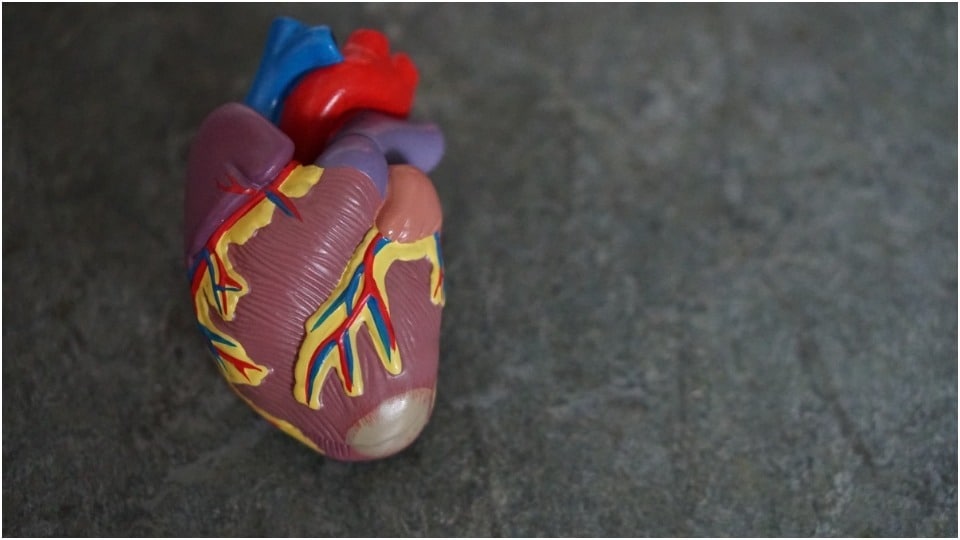
There are newer therapies that can reduce LDL through two injections of a drug a year, but Verve’s approach is presumably permanent. (Unsplash)
Recently, my physician said that I had borderline high cholesterol – not enough to take statins to treat it regularly — but that I needed to implement lifestyle changes such as eating healthier food (cutting out fats and simple sugars for more whole grains, for example). It’s a common refrain at a physician’s office. Lowering cholesterol is a life goal.
Around the same time, a volunteer in New Zealand became the first person to undergo editing of a chemical building block of a particular gene as a means of controlling blood cholesterol. The trial will expand to include dozens of others and might revolutionize the prevention and treatment of heart disease. Heart disease kills more people than any other disease and it afflicts millions of other people worldwide reducing their quality of life.
The new treatment for heart disease is spearheaded by Verve Therapeutics, a US-based company led by physician-scientist Dr Sekar Kathiresan. Dr Kathiresan, a cardiologist by training and a professor of medicine at Harvard University, is no stranger to heart disease. Verve’s idea is to prevent heart disease through genetic modification of DNA.
While the original CRISPR-Cas technique that won its discoverers the Nobel Prize involves cutting DNA, the technology used by Verve, known as base-editing, makes a single chemical change in a gene. This change inactivates the gene. This single edit leads to the reduction of LDL (low-density lipoprotein) cholesterol, otherwise known as “bad cholesterol,” which is tied to the hardening of arteries and heart attacks in lab animals. The hope is the results will hold in people.
The gene that is being edited is PCSK9, which is involved in regulating LDL cholesterol levels. Different people have different forms of the gene, but it can be turned down.
The treatment known as VERVE-101 is trying to treat a condition in which some people have very high cholesterol levels that can lead to strokes or heart attacks early in life. The first patient to receive VERVE-101 had inherited a form of the PCSK9 gene that led to high LDL cholesterol, but there are also people with forms of the gene that contribute to relatively low LDL cholesterol. So, the inactivation of the gene has some natural precedence.
There are other ways to treat high blood cholesterol. Statins are some of the most widely prescribed drugs to control cholesterol levels, but they need to be taken regularly and can have side effects. As I’ve noted in an earlier column, statins don’t work well for everyone. Statins also have another problem. They don’t reduce blood cholesterol levels at the source – the enzymes that produce it.
There are newer therapies that can reduce LDL through two injections of a drug a year, but Verve’s approach is presumably permanent.
VERVE-101 consists of a lipid nanoparticle with a guide RNA that helps to find the right base on the PCSK9 gene and an mRNA that serves as instructions for cells inside the body to make the base editor. Together, the treatment successfully makes the single change inactivating the enzyme in lab mice and monkeys. Because of the use of RNA and lipid nanoparticles, the treatment has been compared to mRNA vaccines.
Verve had already shown that the treatment works in monkeys and that it is persistent months later. A question is if the effect is permanent. With any early trials safety will be closely monitored. The treatment was very specific in monkeys, but specificity will have to be demonstrated in people too. Possible immune responses and side effects will also be noted.
Cardiovascular disease has many risk factors other than blood cholesterol, like blood pressure, metabolic disorders, and smoking. There isn’t a single gene responsible for heart attacks either. Instead, there is a symphony of many genes. Each gene might contribute a percentage to someone’s risk. Genome-wide association studies help to provide “polygenic risk scores” that show our individual risk of heart disease based on our genetic profiles.
Still, the link between reduced LDL cholesterol and heart disease is very well established over decades of research, and PCSK9 has a very strong link to LDL cholesterol that has been shown clinically.
If clinical trials are successful, treatment will be available to those who are known to suffer from heart disease. But the real potential is in preventative medicine. Heart disease is a silent killer with little warning. A quick and lifelong reduction in risk would increase longevity and improve quality of life, potentially for millions.
Anirban Mahapatra is a scientist by training and the author of a book on COVID-19. He’s writing a second popular-science book

 E-Paper