
 E-Paper



Photos| Amid coronavirus pandemic, Brazil’s indigenous struggle for care
They left their tribal lands in the Amazon for the city, many seeking a better life. But in the midst of the coronavirus pandemic they have neither the protective isolation of their homelands, nor the government care that drew them to the city of Manaus in the first place. More than 30,000 indigenous people live in the Brazilian state capital hardest hit by the global pandemic. Many among them are sick with fever, straining for air and dying, but just how many no one knows. The indigenous people of Manaus live together in poor neighborhoods where they struggle to maintain their native languages, culture and identity on the fringes of Brazilian society. In April, Brazil’s minister of education said during a Cabinet meeting: “I hate the term ‘indigenous peoples’” because in his opinion the indigenous should just be called Brazilians. The comments were roundly denounced in Brazil and abroad by those who believed he meant to erase the identity they are trying to preserve.
Updated on: Jun 10, 2020 10:33 AM IST


Share via


Copy link

1/8
 View Photos in a new improved layout
Updated on Jun 10, 2020 10:33 AM
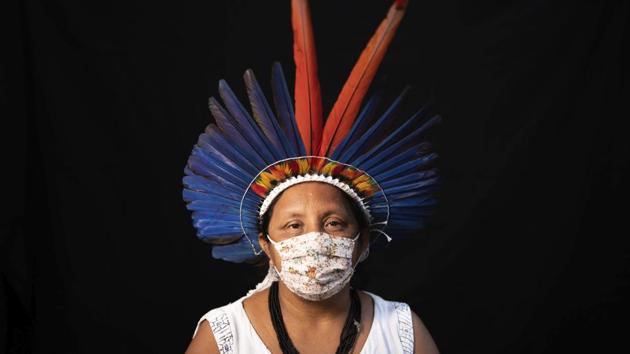
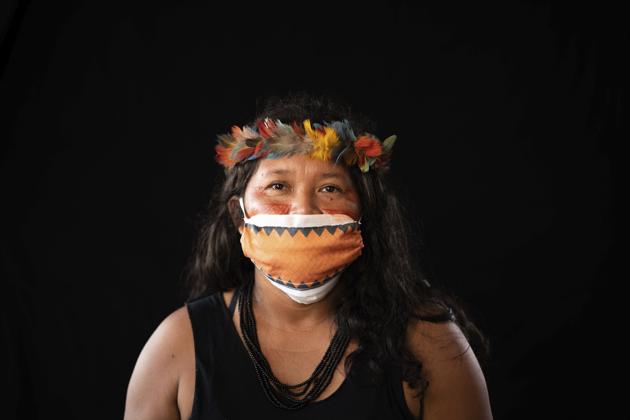
Sonia Vilacio, 46, of the Sateré Mawé indigenous ethnic group, poses for a portrait wearing the traditional dress of her tribe and a face mask amid the spread of the new coronavirus in Manaus, Brazil, Wednesday, May 27, 2020. The new coronavirus has hit Sônia Vilacio twice: when tourists disappeared from Manaus and she was left without an income from selling arts and crafts, and soon after when she fell ill with a fever, shortness of breath, and a cough, telltale signs of COVID-19. (AP Photo/Felipe Dana) (AP)
2/8
 View Photos in a new improved layout
Updated on Jun 10, 2020 10:33 AM
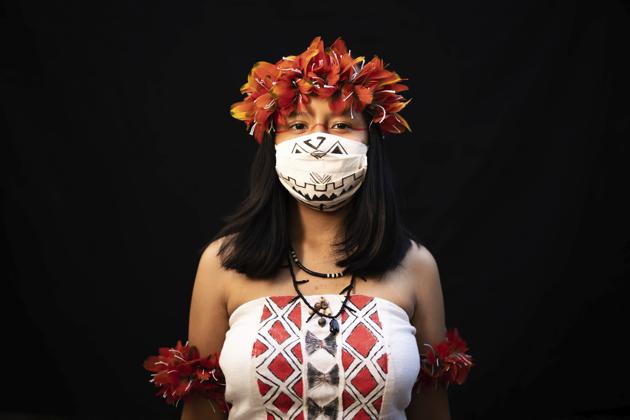
Yusuro Dupohtiro, 15, of the Dessana and Sateré Mawé indigenous ethnic groups, poses for a portrait wearing the traditional dress of her tribe and a face mask amid the spread of the new coronavirus in Manaus, Brazil, Wednesday, May 27, 2020. (AP Photo/Felipe Dana) (AP)
3/8
 View Photos in a new improved layout
Updated on Jun 10, 2020 10:33 AM
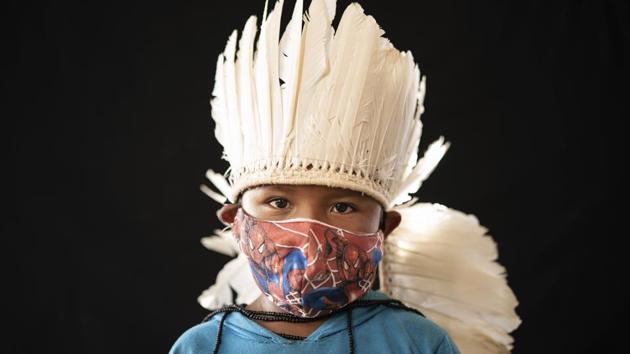
Six-year-old Ezinaldo dos Santos, of the Sateré Mawé indigenous ethnic group, poses for a portrait wearing the traditional dress of his tribe and a face mask amid the spread of the new coronavirus in the Gaviao community near Manaus, Brazil, Friday, May 29, 2020. (AP Photo/Felipe Dana) (AP)
4/8
 View Photos in a new improved layout
Updated on Jun 10, 2020 10:33 AM
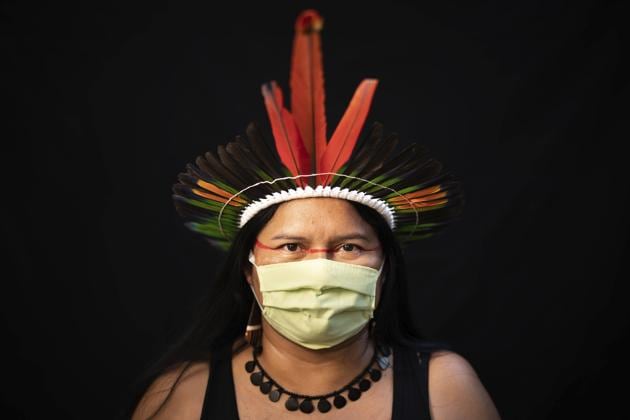
Dilza, 39, of the Sateré Mawé indigenous ethnic group, poses for a portrait wearing the traditional dress of her tribe and a face mask amid the spread of the new coronavirus in Manaus, Brazil, Wednesday, May 27, 2020. (AP Photo/Felipe Dana) (AP)
5/8
 View Photos in a new improved layout
Updated on Jun 10, 2020 10:33 AM
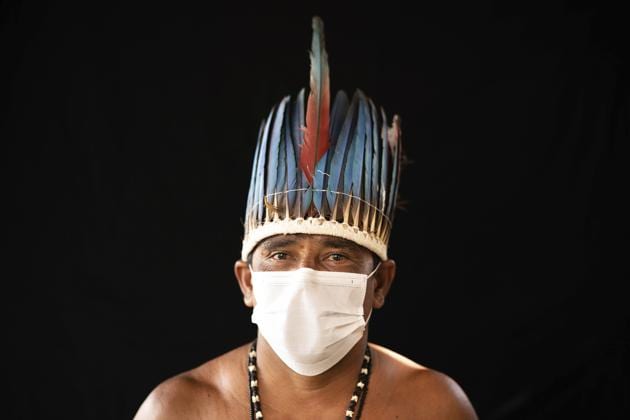
Eleomar da Silva, 44, of the Sateré Mawé indigenous ethnic group, poses for a portrait wearing the traditional dress of his tribe and a face mask amid the spread of the new coronavirus in the Gaviao community near Manaus, Brazil, Friday, May 29, 2020. (AP Photo/Felipe Dana) (AP)
6/8
 View Photos in a new improved layout
Updated on Jun 10, 2020 10:33 AM
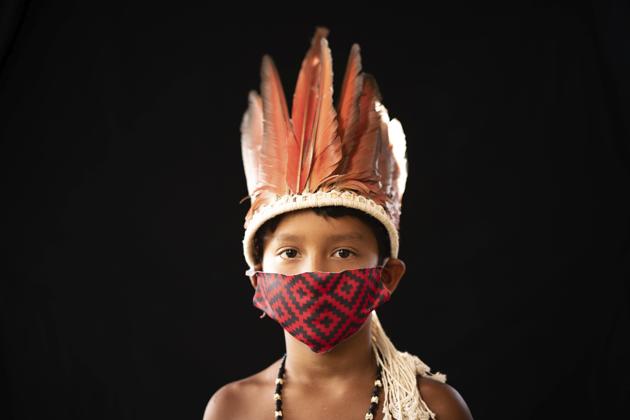
Six-year-old Elano de Souza, of the Sateré Mawé indigenous ethnic group, poses for a portrait wearing the traditional dress of his tribe and a face mask amid the spread of the new coronavirus in the Gaviao community near Manaus, Brazil, Friday, May 29, 2020. (AP Photo/Felipe Dana) (AP)
7/8
 View Photos in a new improved layout
Updated on Jun 10, 2020 10:33 AM
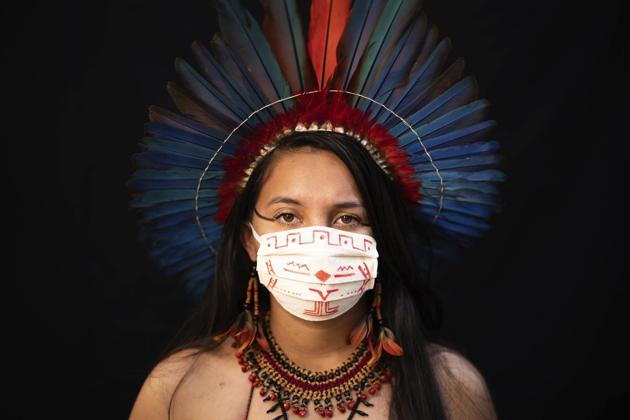
Samela, 23, of the Sateré Mawé indigenous ethnic group, poses for a portrait wearing the traditional dress of her tribe and a face mask amid the spread of the new coronavirus in Manaus, Brazil, Wednesday, May 27, 2020. Samela, whose mother Sonia Vilacio recovered from symptoms consistent with COVID-19 using natural remedies at home, is the first member of her family to attend university, where she studies biology. (AP Photo/Felipe Dana) (AP)
8/8
 View Photos in a new improved layout
Updated on Jun 10, 2020 10:33 AM


