
 E-Paper



Photos | 10 faces of enlightenment: Ancient Buddhas from around the world
The Buddha has been represented in stone, wood, copper, bronze, iron, wood and jade across the world, over the centuries. Here’s a selection that showcases how what sets them apart and still unites them as one.
Updated on: May 16, 2021 3:05 PM IST


Share via


Copy link

1/10

 View Photos in a new improved layout
Updated on May 16, 2021 3:05 PM
From 1st century, Pakistan: A bronze from the ancient Gandharan region. Note Buddha’s unusual serrated halo. (Image courtesy: Metropolitan Museum of Art)
2/10
 View Photos in a new improved layout
Updated on May 16, 2021 3:05 PM
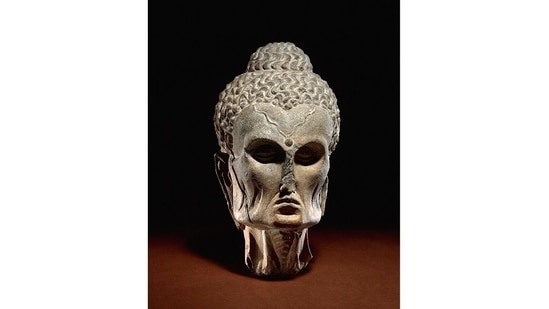
From 3rd century, Pakistan: A fasting Bodhisattva, which explains the gaunt appearance and sunken-in cheeks. The downturned mouth a rare depiction, but a common feature to depict austerity in Buddhism. (Image courtesy: British Museum)
3/10
 View Photos in a new improved layout
Updated on May 16, 2021 3:05 PM
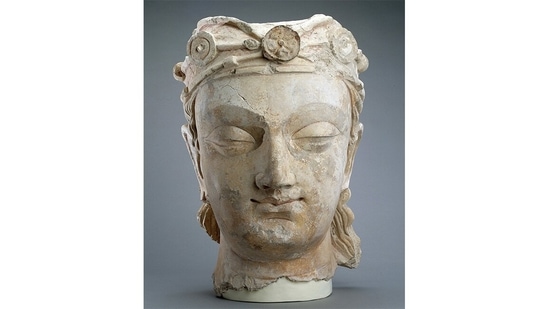
From 4th century, Afghanistan: With his wavy hair, bridgeless nose, and naturalistic lips, Buddha looks almost like Apollo. (Image courtesy: Smithsonian Museum)
4/10
 View Photos in a new improved layout
Updated on May 16, 2021 3:05 PM
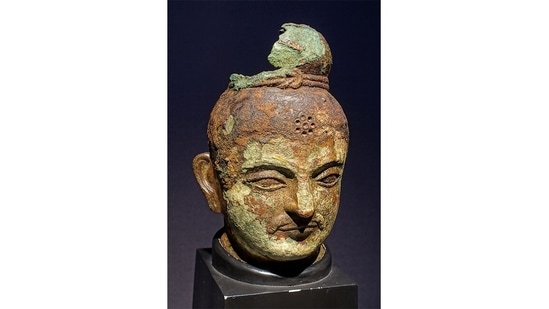
From 4th century, China: Git-bronze from Khotan, a kingdom located on the branch of the Silk Road that ran along the southern edge of the Taklamakan Desert in the Tarim Basin in modern Xinjiang. (Image courtesy: Tokyo National Museum)
5/10
 View Photos in a new improved layout
Updated on May 16, 2021 3:05 PM
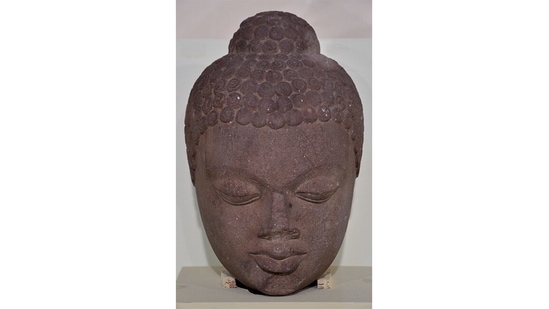
From 6th Century, India: This serene representation of the Buddha, in sandstone, was exhibited at the Indian Museum, Kolkata, for an exhibition of Indian Buddhist Art in 2012. (Image courtesy: Sarnath Archaeological Museum)
6/10
 View Photos in a new improved layout
Updated on May 16, 2021 3:05 PM
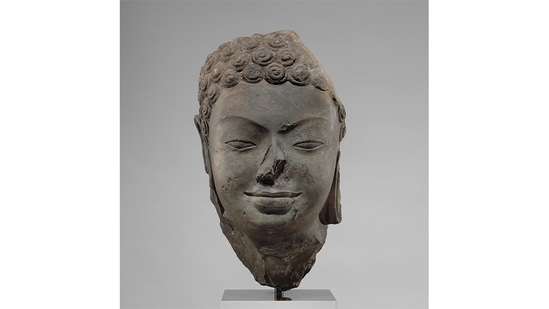
From 7th century, Cambodia: Sandstone, larger than life-size, the style typifies the sculpture of the Zhenla kingdom. (Image courtesy: Metropolitan Museum of Art)
7/10
 View Photos in a new improved layout
Updated on May 16, 2021 3:05 PM
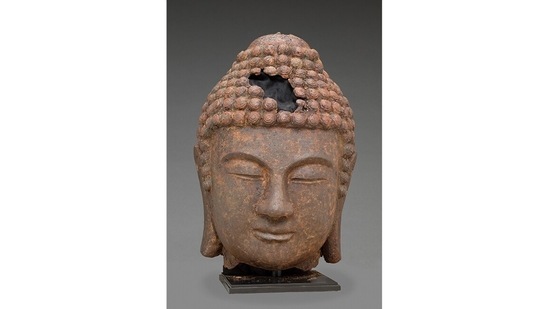
From 9th century, Korea: From the far reaches of the spread of Buddhism, a soft expression in cast iron. Buddha’s features were subtly adapted to appeal to east Asia. (Image courtesy: Detroit Institute of Arts)
8/10
 View Photos in a new improved layout
Updated on May 16, 2021 3:05 PM
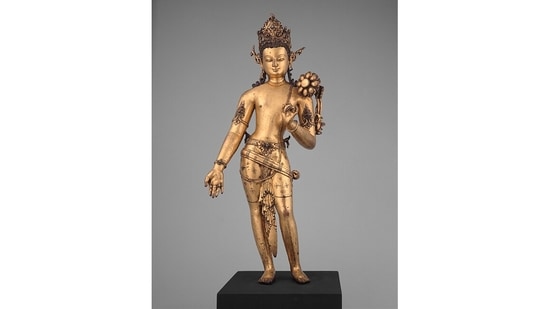
From 11th century, Nepal: Copper, semi-precious stones and decorative details, used to convey messages of simplicity. (Image courtesy: Metropolitan Museum of Art)
9/10
 View Photos in a new improved layout
Updated on May 16, 2021 3:05 PM
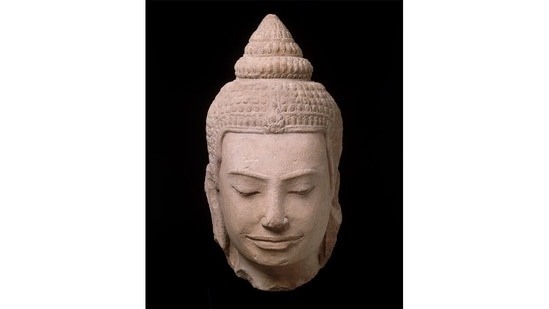
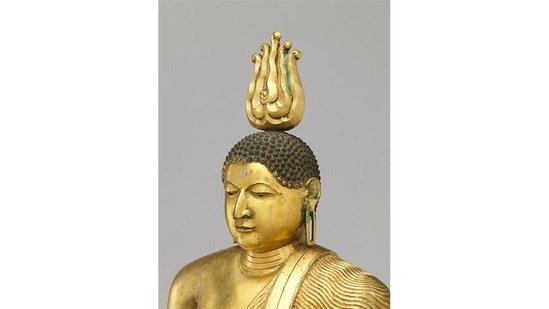
From 13th century, Thailand: Soft sandstone, to capture the expression right between wisdom and tranquillity. The long earlobes a sign of heavy jewellery left behind. (Image courtesy: Victoria & Albert Museum)
10/10
 View Photos in a new improved layout
Updated on May 16, 2021 3:05 PM


