
 E-Paper



Photos: Delhi government mulls ban on some single-use plastic items
Delhi is planning a green push with the likely aim of banning single-use plastic items in the national capital. This follows the Prime Minister’s call from the ramparts of the Red Fort on Independence Day this year, to ban single use plastics by October 02, the 150th birth anniversary of Mahatma Gandhi. While the plan holds apparent benefits for the health of the city, there remain key policy and implementation concerns that must be addressed before any such ban can be implemented, and effectively enforced.
Updated on: Sep 18, 2019 4:54 PM IST

Share via


Copy link

1/8
 View Photos in a new improved layout
Updated on Sep 18, 2019 4:54 PM
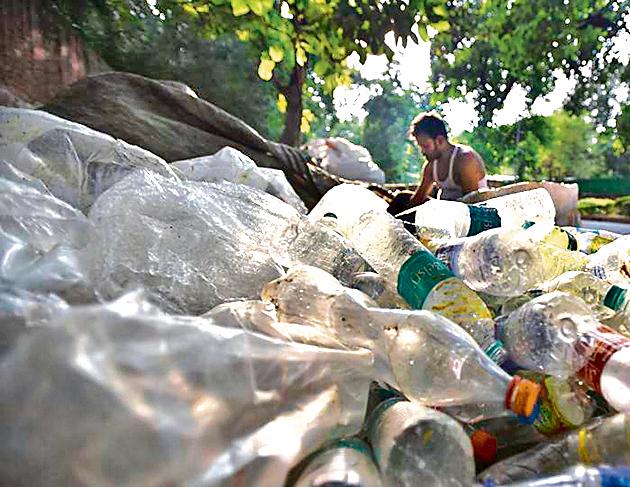
A scrap vendor sorts plastic at Mandi House in New Delhi. The Delhi govt is planning to ban some single-use plastic items in the national capital, after Prime Minister Narendra Modi pitched for India doing away with single-use plastic. While there’s no official definition of ‘single-use plastic’, it largely refers to plastic bags, cups, water bottles, wrappers, sachets and straws that are said to contribute significantly to river and soil pollution. (Raj K Raj / HT Photo)
2/8
 View Photos in a new improved layout
Updated on Sep 18, 2019 4:54 PM
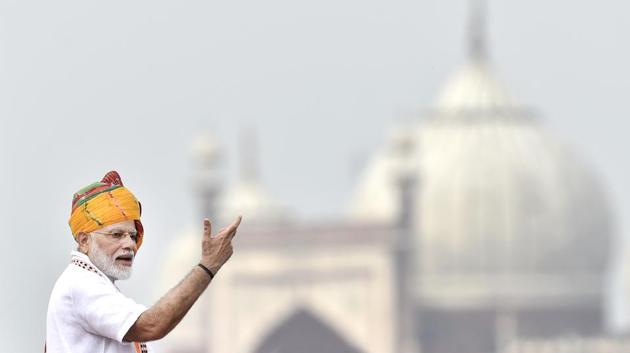
In his speech on Independence Day, Prime Minister Modi called for freedom from single-use plastic (SUP). “By October 2, on the birth anniversary of dear Bapu (Mahatma Gandhi), I want to urge the citizens to give up single-use plastic,” the PM had said while addressing the nation from the ramparts of Red Fort. (Ajay Aggarwal / HT Photo)
3/8
 View Photos in a new improved layout
Updated on Sep 18, 2019 4:54 PM
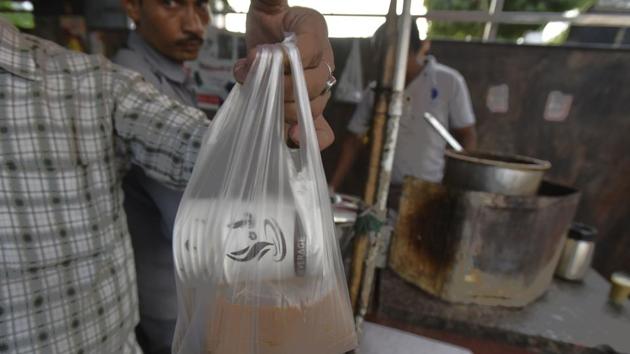
A tea seller hands tea in a plastic bag at Connaught Place. Some states such as Telangana, Maharashtra, Tamil Nadu, Himachal Pradesh have banned plastic bottles and tetra packs, single-use straws and styrofoam tea cups among others. But many like Bihar banned only polythene bags. In Delhi, plastic measuring less than 50 microns has been banned but there is no imminent ban on the use of SUP. (Raj K Raj / HT Photo)
4/8
 View Photos in a new improved layout
Updated on Sep 18, 2019 4:54 PM
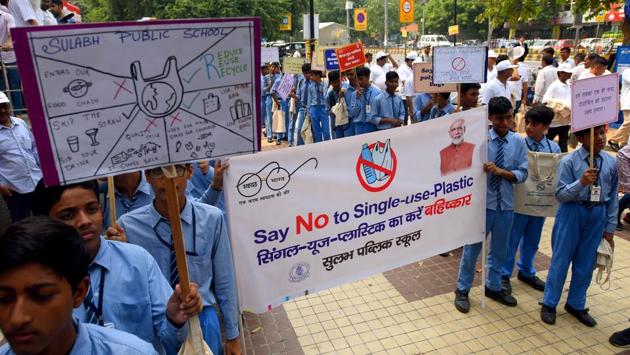
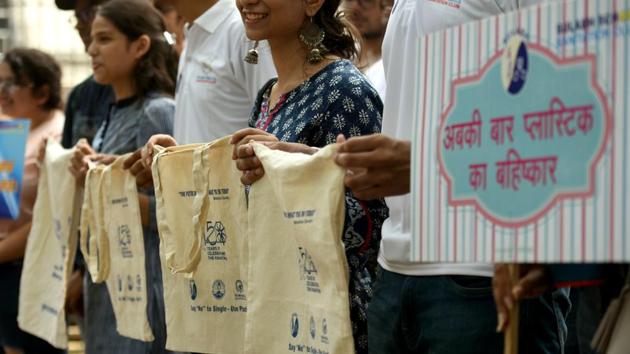
School children and volunteers of Sulabh International during a ‘Say no to single use plastic’ event, near Hanuman Mandir, Connaught Place. “We are working on a plan to ban some of the single-use plastic items. Some states have already done it and have come up with notifications. We are going through them to find out which are the items that could be banned in Delhi,” said a senior official of the Delhi environment department. (Amal KS / HT Photo)
5/8
 View Photos in a new improved layout
Updated on Sep 18, 2019 4:54 PM
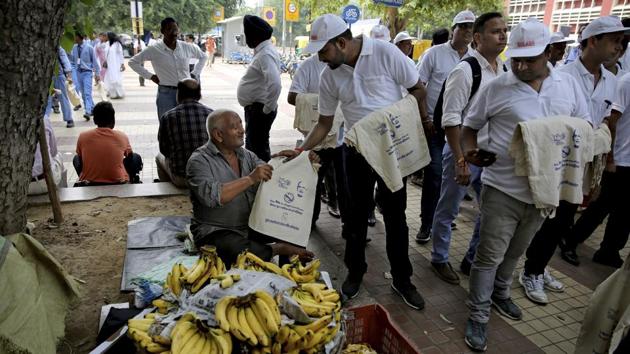
A volunteer gives a cotton bag to a roadside vendor selling bananas.Swati Singh Sambyal, programme manager (Municipal Solid Waste) at CSE said that before enforcing a ban a baseline analysis identifying the most problematic SUP and assessing their impact should be done. After this, regulatory actions, economic incentives, etc. need be figured. Engaging stakeholders and getting their views is also a must. (Altaf Qadri / AP)
6/8
 View Photos in a new improved layout
Updated on Sep 18, 2019 4:54 PM
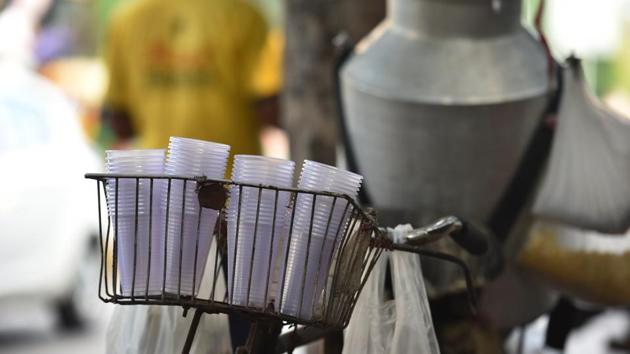
Hawkers using plastic glasses at Connaught Place. The Delhi High Court had in 2016 prohibited the use of disposable plastic glasses in all hotels, restaurants and private parties in the national capital territory region. “But it is yet to be implemented. Till date we were seizing plastic bags less than 50 microns,” said an environment department official. (Raj K Raj / HT Photo)
7/8
 View Photos in a new improved layout
Updated on Sep 18, 2019 4:54 PM
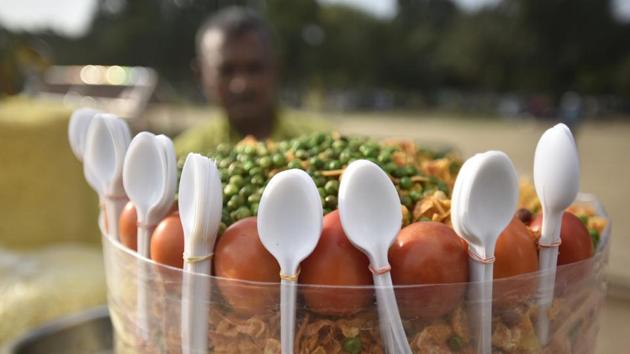
Plastic manufacturers, however, say that of banning ‘single-use-plastic’ could lead to job cuts and unemployment, and instead the government must focus on managing plastic waste better. “We use hundreds of single-use plastic items in everyday use. It would be hard to ban them. Instead authorities can differentiate between recyclable and non-recyclable items and adopt new technologies and experts to manage them. (Raj K Raj / HT Photo)
8/8
 View Photos in a new improved layout
Updated on Sep 18, 2019 4:54 PM


