
 E-Paper



Photos | From the HT archives: 35 years since 1984 anti-Sikh riots
The assassination of Indira Gandhi on October 31, 1984 unleashed a wave of communal frenzy resulting in anti-Sikh violence in Delhi and elsewhere in the country that left a blot in the nation’s history. 35 years since, the episode still stands fresh in the memories of those affected by the violence, with families holding on to lifes rent asunder by the trauma, and justice yet a goal fulfilled.
Updated on: Nov 1, 2019 12:32 PM IST


Share via


Copy link

1/12

 View Photos in a new improved layout
Updated on Nov 1, 2019 12:32 PM
Border Security Force personnel patrol the Bangla Sahib road to guard the Bangla Sahib Gurudwara during the 1984 anti-Sikh riots in New Delhi. On November 1, following the assassination of Indira Gandhi by her Sikh bodyguards, angry mobs took to rioting that lasted for four days in what is today known as the 1984 Sikh massacre. (HT Archive)
2/12
 View Photos in a new improved layout
Updated on Nov 1, 2019 12:32 PM
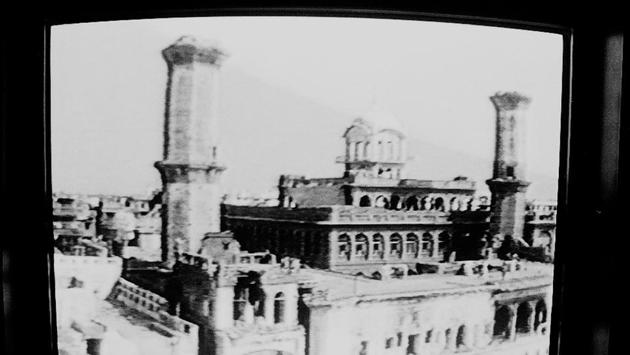
A TV grab shows the Ramgarhia Bunga watch towers of the Golden Temple, damaged by artillery fire during Operation Blue Star and later restored to their original design. The Harmandir Sahib complex turned ground zero for Operation Blue Star after negotiators failed to draw Bhindranwale and his supporters out of their stronghold. (HT Archive)
3/12
 View Photos in a new improved layout
Updated on Nov 1, 2019 12:32 PM
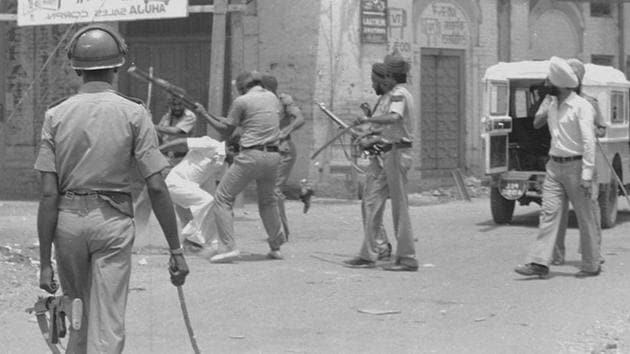
Operation Blue Star was launched by the Indira Gandhi government against the surging Khalistani movement in Punjab. June 6th,1984 marks the date of armoured shelling on the holy shrine of Akal Takht with Indian armed forces taking effective control of the Harmandir Sahib Gurudwara complex the following day. (N Thyagarajan / HT Archive)
4/12
 View Photos in a new improved layout
Updated on Nov 1, 2019 12:32 PM
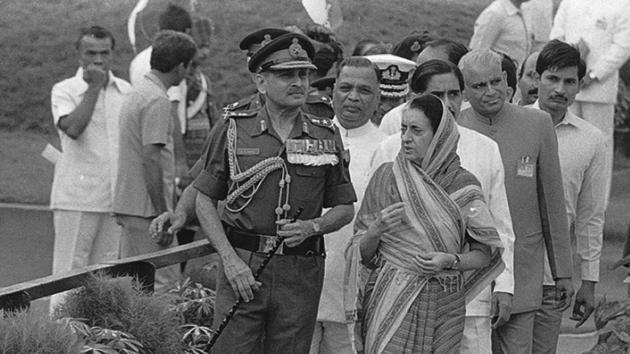
Indira Gandhi’s assassination on October 31, 1984 by her bodyguards was a direct response to Operation Blue Star which was considered a desecration of the Sikh shrine. On her death, Rajiv Gandhi was appointed as the 6th Prime Minister of India. In this photo Indira Gandhi is seen with army officials at Rajghat on August 15, 1984, two months before her death. (Virendra Prabhakar / HT Archive)
5/12
 View Photos in a new improved layout
Updated on Nov 1, 2019 12:32 PM
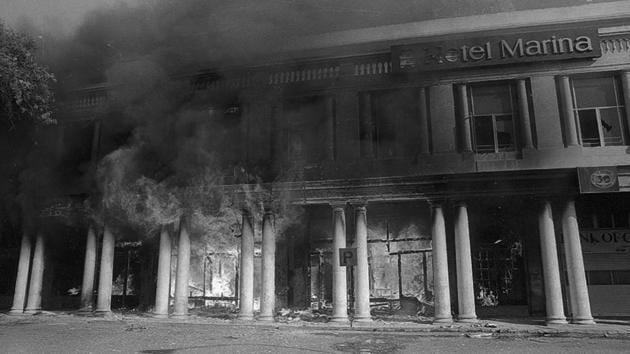
Indira Gandhi’s death plunged the whole country into a state of anarchy and communal tension. Subsequently, a series of violent riots aimed at the persecution of the Sikh community saw Delhi burn, resulting in the death of almost 8000 Sikhs across the country. (HT Archive)
6/12
 View Photos in a new improved layout
Updated on Nov 1, 2019 12:32 PM
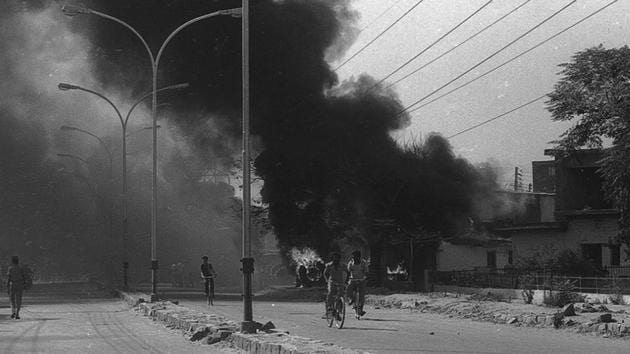
An angry group of protestors burn down a house in Delhi during the November 1984 anti-Sikh riots. Large mobs killed around 3,000 Sikhs in Delhi, most of them men. The capital bore the worst of the violence which swept many parts of India. (HT Archive)
7/12
 View Photos in a new improved layout
Updated on Nov 1, 2019 12:32 PM
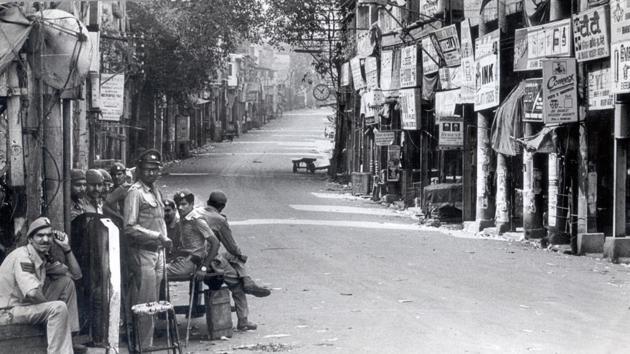
A view of the curfewed Sadar Bazar during the violence. According to the People’s Union for Civil Liberties, the violence that gripped the nation was not a spontaneous expression of grief but organised internally. In 2012, the CBI told a sessions court in Delhi that the then Congress government, its leaders like Sajjan Kumar and the Delhi Police had backed the massacre of Sikhs. Kumar was later exonerated by a court. (SN Sinha / HT Archive)
8/12
 View Photos in a new improved layout
Updated on Nov 1, 2019 12:32 PM
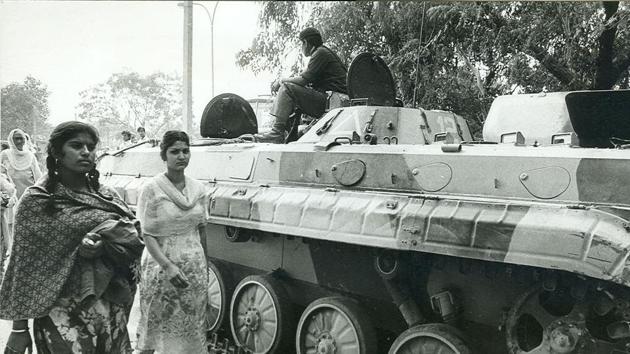
An army personnel on a tank is stationed at a strategic point on November 7, 1984. A few weeks after the riots, Prime Minister Rajiv Gandhi gave his infamous speech at a rally, justifying the riots by saying, “When a big tree falls, the earth shakes.” (Virendra Prabhakar / HT Archive)
9/12
 View Photos in a new improved layout
Updated on Nov 1, 2019 12:32 PM
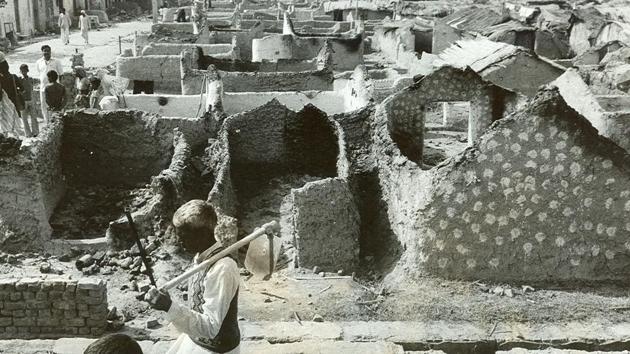
Roofless charred mud houses seen in the aftermath of the riots bear testimony to savagery unleashed by a mob in Block 32 of Trilokpuri on November 1, 1984. (N Thyagarajan / HT Archive)
10/12
 View Photos in a new improved layout
Updated on Nov 1, 2019 12:32 PM
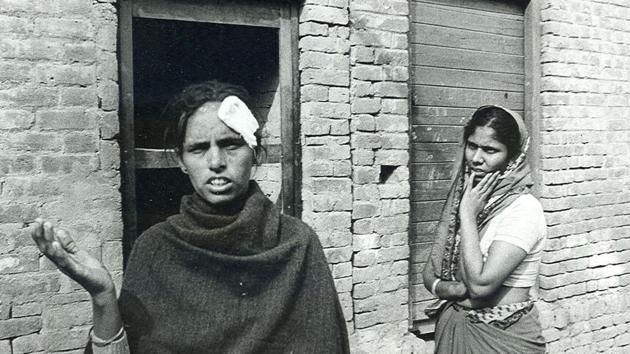
An injured resident of Trilokpuri outside her home after the November 1984 riots. The worst affected areas in Delhi included Sulatanpuri, Trilokpuri, Seemapuri, Kalyanpuri, Delhi Cantt. and Nangloi. (Virendra Prabhakar / HT Archive)
11/12
 View Photos in a new improved layout
Updated on Nov 1, 2019 12:32 PM
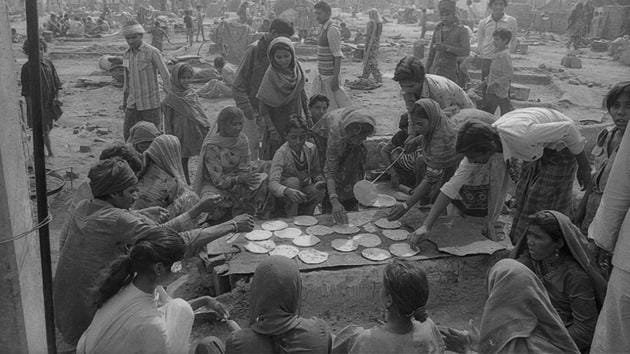
Victims of the 1984 riots are seen cooking in the open after their houses were burnt and destroyed by anti-Sikh mobs. 35 years on, the wounds of the riot victims remain unhealed, their loss still vivid in memory. (HT Archive)
12/12
 View Photos in a new improved layout
Updated on Nov 1, 2019 12:32 PM


