
 E-Paper



Photos: Kargil Vijay Diwas, a look at India’s victory 20 years on
India marks Kargil Vijay Diwas on Friday to commemorate its victory over Pakistan in the conflict that took place in the mountains above Kargil on the Line of Control in Jammu and Kashmir. It has been 20 years since the Indian Army, with the help of the Indian Air Force (IAF), wrested back the glaciated heights of Kargil, in the Ladakh sector, from the Pakistan army. A timeline of the fourth military conflict between India and Pakistan through the HT Archives.
Updated on: Jul 26, 2019 5:11 PM IST


Share via


Copy link

1/24
 View Photos in a new improved layout
Updated on Jul 26, 2019 5:11 PM
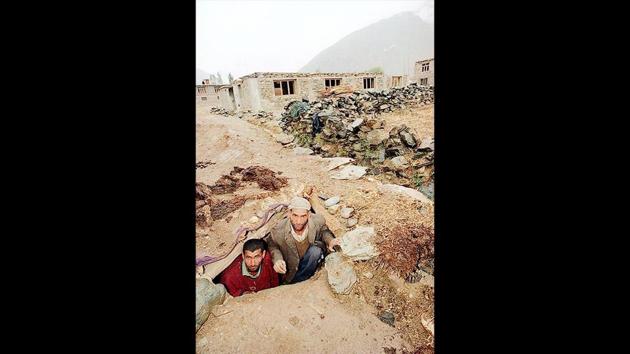
Residents of Kaksar Village in Kargil and surrounding areas seen facing extreme hardship and problems with daily life, September 19, 1998. July 26 marks India’s victory over Pakistan in the Kargil War, a high altitude mountain conflict that broke out in May 1999 along the peaks near the Line of Control, the de-facto border that divides Kashmir between the two nations. (Pradeep Bhatia / HT Archive)
2/24
 View Photos in a new improved layout
Updated on Jul 26, 2019 5:11 PM
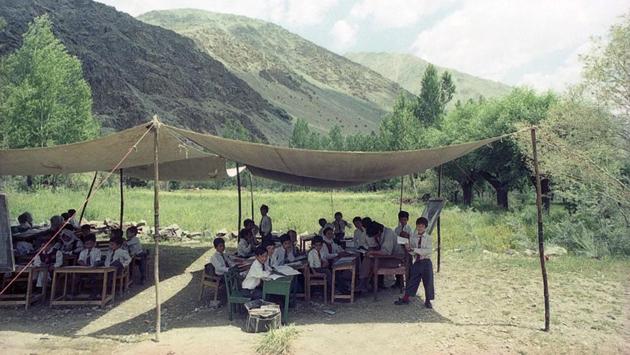
School children at RR School, June 28, 1999. The conflict broke out after intrusion by Pakistani elements was reported by local nomads on May 03, 1999 in the Kargil region. The harsh winter months had traditionally seen a seasonal abandonment of forward posts and reduced patrolling along the LoC by both sides. (Manish Swarup / HT Archive)
3/24
 View Photos in a new improved layout
Updated on Jul 26, 2019 5:11 PM
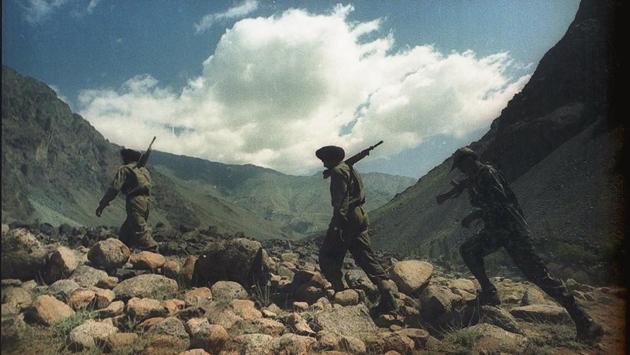
Soldiers in Kargil, June 28, 1999. Acting upon the reduced patrolling and deployment, the Pakistan Army deployed and encroached Indian outposts in February 1999. (Manish Swarup / HT Archive)
4/24
 View Photos in a new improved layout
Updated on Jul 26, 2019 5:11 PM
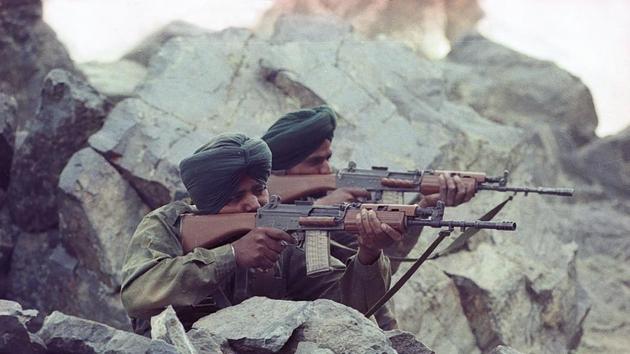
Soldiers in Kargil, June 28, 1999. This fourth full-fledged military showdown between the two nations followed earlier encounters in 1947, 1965 and 1971, erupting after military infiltrators from Pakistan were detected taking control of hills by local nomads in the Indian territory. (Manish Swarup / HT Archive)
5/24
 View Photos in a new improved layout
Updated on Jul 26, 2019 5:11 PM
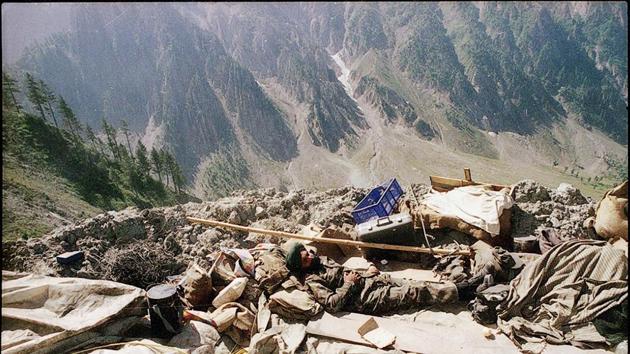
Injured soldier in Kargil, July 8, 1999. Preliminary investigations by the Indian Army into reports of infiltrations along Batalik sector revealed that tactics and firepower being used were unlike those associated with insurgents and further reports of incursions along Drass, Mushkoh and Kaksar sectors forced India to engage Operation Vijay with a mobilization of nearly 30,000 troops to the Kargil-Drass region. (Manish Swarup / HT Archive)
6/24
 View Photos in a new improved layout
Updated on Jul 26, 2019 5:11 PM
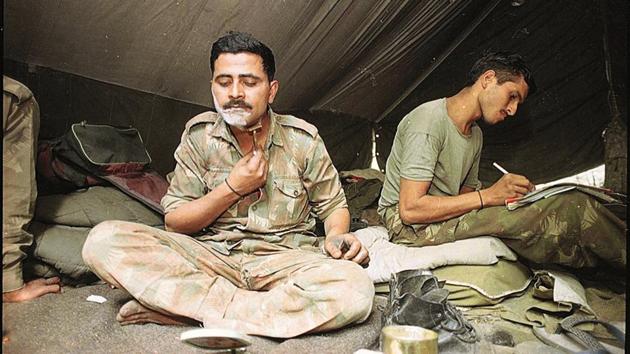
Kargil KR Camp, July 07, 1999. The raising of the alarm came barely a fortnight after the Lahore Declaration was signed by Prime Minister Atal Bihari Vajpayee and Pakistani counterpart Nawaz Sharif calling for resolution of issues in Jammu and Kashmir and mutual understanding on nuclear arsenals. (Manish Swarup / HT Archive)
7/24
 View Photos in a new improved layout
Updated on Jul 26, 2019 5:11 PM
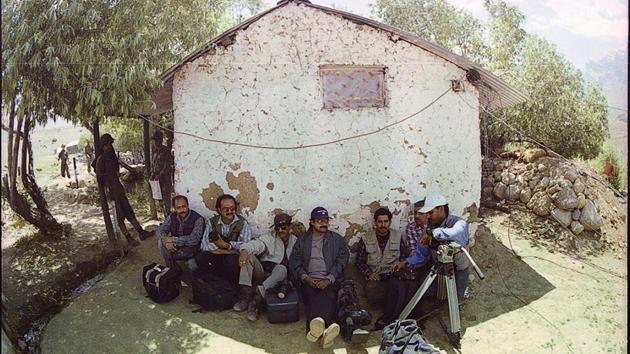
Indian Photo Journalists rest while covering the operations against Pakistan in Kargil, July 01, 1999. The war is considered a rare example of high altitude warfare between two nuclear states. The difficult terrain of the region limited the extent of engagement with heavy artillery shelling the attack of choice and risks to providing land support with arterial highways such as the NH 1D (Srinagar to Leh) under Pakistani fire. (Manish Swarup / HT Archive)
8/24
 View Photos in a new improved layout
Updated on Jul 26, 2019 5:11 PM
Wing Commander K Nachiketa meets President KR Narayanan along with his parents and IAF Chief, June 05, 1999. He came in to the limelight on May 27, 1999 as a Flight Lieutenant, he was captured by Pakistani troops in Kashmir following ejection from his MiG-27 Aircraft after his engine was hit by a Pakistani Stinger missile. He was captured and later released on June 01, 1999. (Santosh Gupta / HT Archive)
9/24
 View Photos in a new improved layout
Updated on Jul 26, 2019 5:11 PM
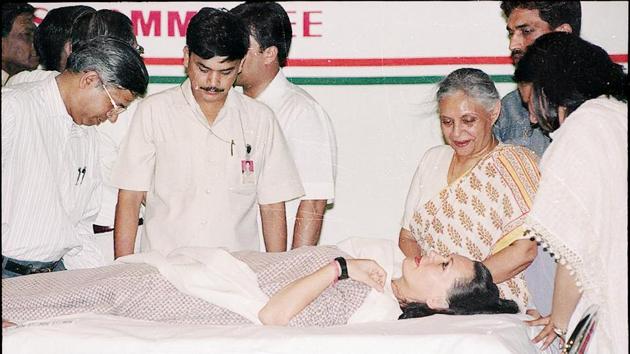
Congress President Sonia Gandhi donates blood for injured soldiers, June 26, 1999. Kargil was the first war televised live during India’s electronic news media boom and played part in a surge of nationalism post India’s victory. (HC Tiwari / HT Archive)
10/24
 View Photos in a new improved layout
Updated on Jul 26, 2019 5:11 PM
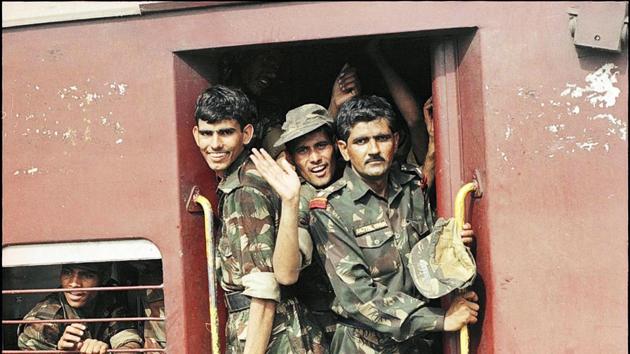
Newly recruited soldiers on their way to Kargil, July 02, 1999. Aiding Army efforts, IAF launched its air operations under Operation Safed Sagar on May 26. Indian MiG-21, MiG-27 and Mirage-2000 fighters fired rockets and missiles throughout the Kargil War at the “fortified enemy positions” from their side of LoC. (HC Tiwari / HT Archive)
11/24
 View Photos in a new improved layout
Updated on Jul 26, 2019 5:11 PM
Then PM Atal Bihari Vajpayee and Defence Minister, George Fernandes at the All Party meeting on Kargil in New Delhi, June 28, 1999. IAF had planned to bomb targets in Pakistan during the Kargil War. But the NDA government led by Atal Bihari Vajpayee instructed the then IAF chief Air Chief Marshal AY Tipnis that his fighter jets must not cross LoC under any circumstances. (HT Archive / PIB)
12/24
 View Photos in a new improved layout
Updated on Jul 26, 2019 5:11 PM
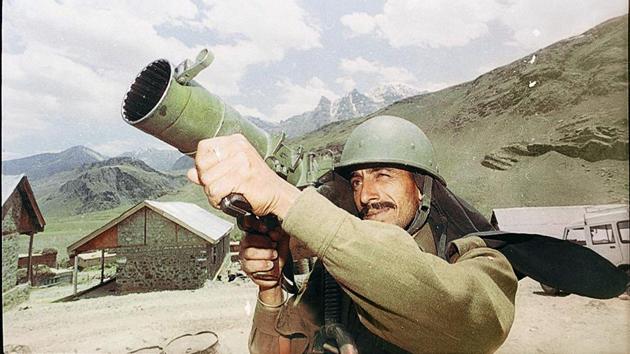
Kargil, July 01,1999. With supply routes under fire the direct objectives of the Indian Army were established as recapture of peaks along the supply routes under direct fire. The infiltrating force was believed to have been mostly armed with small arms, grenades, rocket launchers and anti-aircraft guns. (Manish Swarup / HT Archive)
13/24
 View Photos in a new improved layout
Updated on Jul 26, 2019 5:11 PM
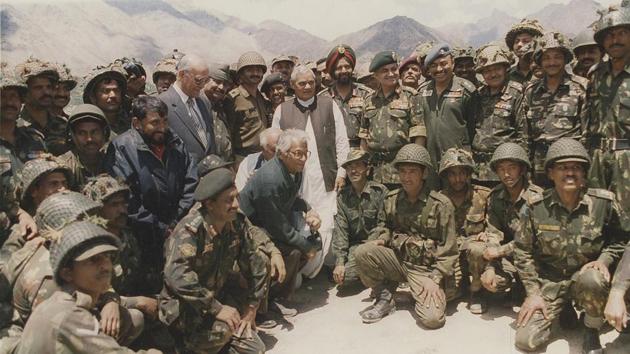
PM Atal Bihari Vajpayee and Defence Minister George Fernandes along with army jawans during their visit to Kargil, June 14, 1999. During the war, the IAF also wanted to cross the LoC slightly during the Kargil War but this request was also rejected by the government. (HT Archive / PIB)
14/24
 View Photos in a new improved layout
Updated on Jul 26, 2019 5:11 PM
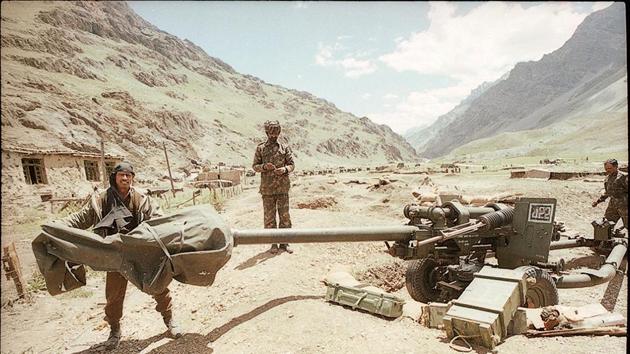
Indian Army soldiers in Kargil, July 12, 1999. Heavy shelling and skirmishes continued despite the tactical disadvantage of visibility from higher up playing against Indian efforts to retake many peaks known simply by point numbers. Most efforts involved scaling Pakistani positions fortified with bunkers while Indian surface to air (SAM) artillery providing supplementary fire. (Pradeep Bhatia / HT Archive)
15/24
 View Photos in a new improved layout
Updated on Jul 26, 2019 5:11 PM
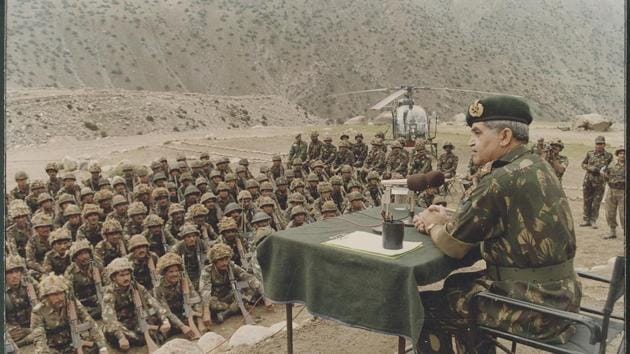
General Ved Prakash Malik of the Army staff addressing troops at Batalik during his one day visit to Kargil sector, July 19, 1999. At the peak of the Kargil War, the Indian artillery is estimated to have been engaged in round the clock shelling with batteries firing over one round per minute. (HT Archive / PIB)
16/24
 View Photos in a new improved layout
Updated on Jul 26, 2019 5:11 PM
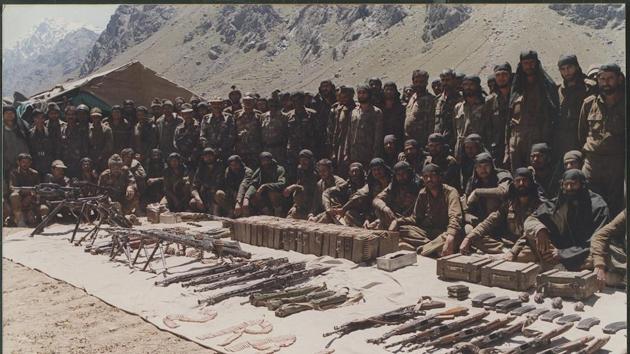
Soldiers with ammunition captured from the enemy in Kargil. The Bofors Howitzers in India’s arsenal played a vital role in the efforts to retake and maintain control over positions. The Indian Army is estimated to have fired around 9,000 shells the day Tiger Hill was reclaimed. (PIB / HT Archive)
17/24
 View Photos in a new improved layout
Updated on Jul 26, 2019 5:11 PM
A batch of NLI, Ranks, I-Cards, calculator and a magazine seized during an attack which shows presence of Pak Army in Kargil. The recovery of documents from Pakistani Army soldiers in early June implicated the involvement of Pakistan’s army in the attacks. These claims had earlier been denied by the Government of Pakistan which blamed ‘Kashmiri freedom fighters’ instead. (Manish Swarup / HT Archive)
18/24
 View Photos in a new improved layout
Updated on Jul 26, 2019 5:11 PM
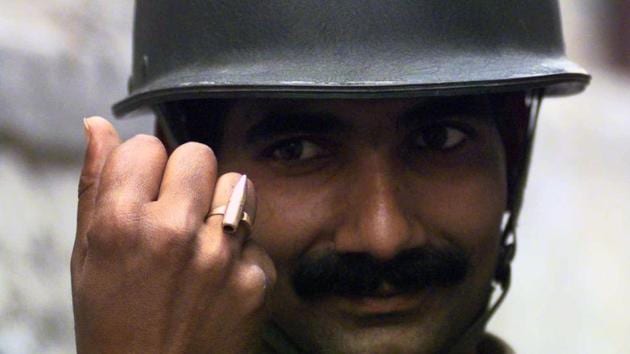
A soldier proudly displays his ring made out of a LMG bullet in Kargil. The recapture of Tiger Hill figured as an important objective due to its strategic advantage as the highest peak in the Kargil-Drass sector. India meanwhile launched strengthened efforts to reclaim its territories throughout June. (Manish Swarup / HT Archive)
19/24
 View Photos in a new improved layout
Updated on Jul 26, 2019 5:11 PM
Soldiers of the Indian Army carry the body of their colleague from the battle front in Kargil. India lost 527 soldiers during the nearly two month long conflict, making household names of heroes like Captain Vikram Batra, Squadron Leader Ajay Ahuja and Lieutenant Manoj Kumar Pandey. The toll on Pakistan’s side was between 357 and 453. (Pradeep Bhatia / HT Archive)
20/24
 View Photos in a new improved layout
Updated on Jul 26, 2019 5:11 PM
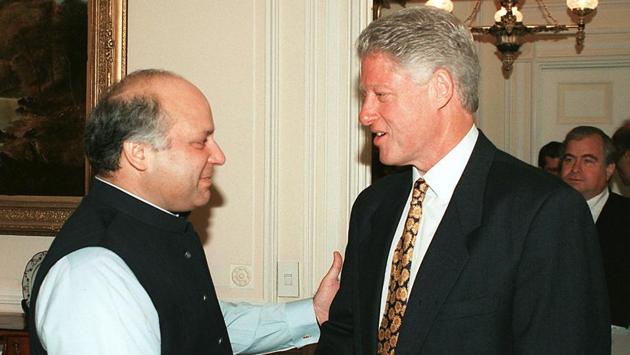
US President Bill Clinton (R) greets Pakistani Prime Minister Nawaz Sharif (L) at Blair House July 04, 1999 in Washington, DC, for talks on ways to end fighting in Kashmir. US officials had grown increasingly alarmed at the escalating hostilities between India and Pakistan. Pakistan asked the US to intervene but Clinton declined, saying Islamabad must withdraw its troops from the LoC. (Balti / AFP)
21/24
 View Photos in a new improved layout
Updated on Jul 26, 2019 5:11 PM
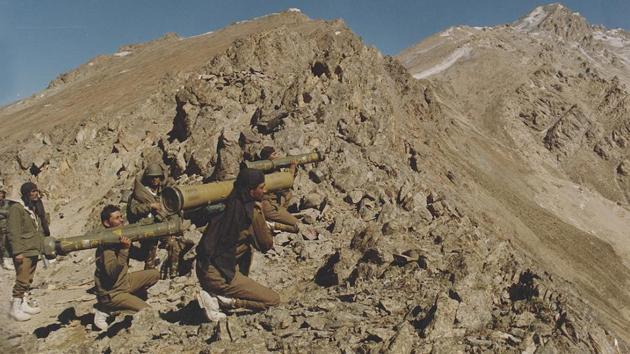
Indigenous Milan Missile targeted at enemy positions in Drass Sector, July 26, 1999. With Pakistan’s requests for US intervention declined, Indian armed forces attacked the rest of the outposts as Pakistani troops withdrew and captured the last of them by July 26. (HT Archive / PIB)
22/24
 View Photos in a new improved layout
Updated on Jul 26, 2019 5:11 PM
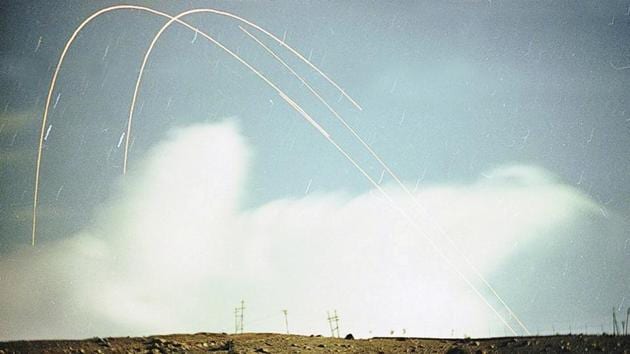
A long exposure shows trails of shells fired in Kargil in July 1999. As the Indian army moved ahead, Nawaz Sharif announced the withdrawal of troops in early July following his meeting with Bill Clinton. With Tiger Hill and Drass retaken in the first week of July, Pakistani forces began pulling out, with Prime Minister Atal Bihari Vaypayee declaring Operation Vijay a success on July 14, 1999. (Manish Swarup / HT Archive)
23/24
 View Photos in a new improved layout
Updated on Jul 26, 2019 5:11 PM
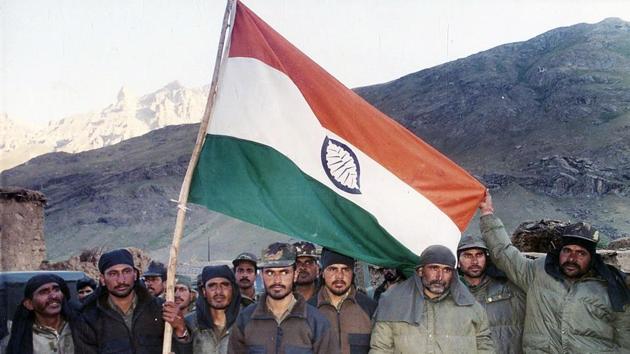
The victorious Indian Army jawans of 18 grenadiers rejoice with the national flag in their hands after recapturing the Tiger Hill. The operation in Kargil officially came to an end on July 26, marked since as Vijay Diwas (Victory Day). (HT Archive / PIB)
24/24
 View Photos in a new improved layout
Updated on Jul 26, 2019 5:11 PM


