
 E-Paper



Photos: Wettest monsoon could lift 2020 wheat output to record surplus
India’s wheat production could jump to a second consecutive annual record as the wettest monsoon in 25 years is set to help farmers in expanding the area under the winter-sown crop while also boosting yields, according to industry officials. But that higher production would add to India’s already swelling inventories, potentially forcing the world’s second-biggest wheat producer to ramp up procurement of the grain from farmers and provide incentives for overseas sales to support local prices.
Updated on: Nov 30, 2019 7:41 PM IST


Share via


Copy link

1/8
 View Photos in a new improved layout
Updated on Nov 30, 2019 7:41 PM
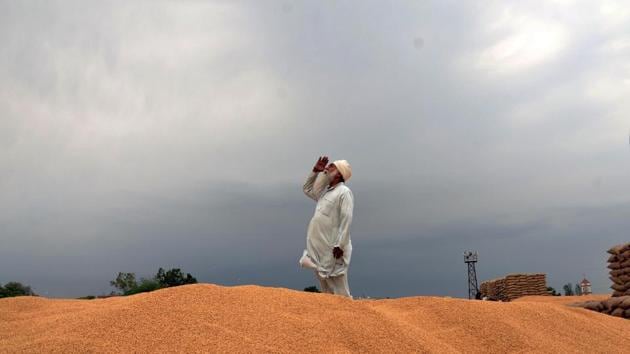
India’s wheat production could jump to a second consecutive annual record in 2020 as the wettest monsoon in 25 years is set to help farmers in expanding the area under the winter-sown crop while also boosting yields. But that higher production would add to India’s already swelling inventories, potentially forcing the world’s second-biggest wheat producer to ramp up procurement of the grain from farmers and provide incentives for overseas sales to support local prices. (Sameer Sehgal / HT Archive)
2/8
 View Photos in a new improved layout
Updated on Nov 30, 2019 7:41 PM
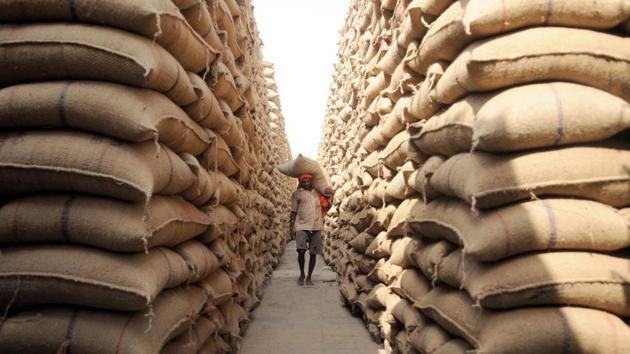
Workers carry wheat sacks at a godown in Jalandhar, Punjab. “The area under wheat and yields would rise due to good rainfall. We can certainly produce more than last year’s record production,” said Gyanendra Singh, director at the state-run Indian Institute of Wheat and Barley Research. (Pardeep Pandit / HT Archive)
3/8
 View Photos in a new improved layout
Updated on Nov 30, 2019 7:41 PM
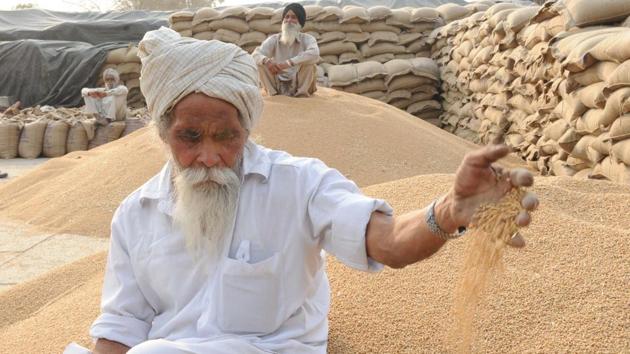
India grew 102.19 million tonnes of wheat in 2019. The country received monsoon rains during the June-September season that were 10% above average and the rainfall continued during October and November, increasing soil moisture levels required for crop sowing. (Bharat Bhushan / HT Archive)
4/8
 View Photos in a new improved layout
Updated on Nov 30, 2019 7:41 PM
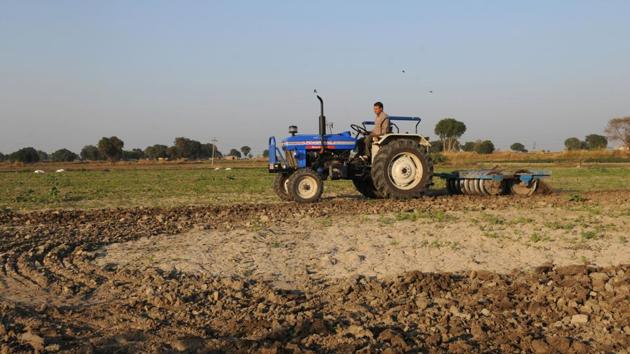
Rainfall also lifted the water level in India’s key reservoirs to 86% of capacity compared to 61% a year ago and a 10-year average of 64%, according to government data. Only one wheat crop is grown in India each year, with plantation starting in late October and harvesting in March. (Parveen Kumar / HT Archive)
5/8
 View Photos in a new improved layout
Updated on Nov 30, 2019 7:41 PM
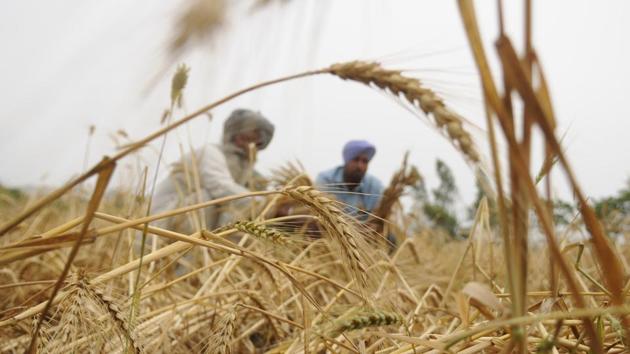
Farmers are inclined to expand the area under wheat as its prices are more stable than any other crop due to government buying, said Harish Galipelli, head of commodities and currencies at Inditrade Derivatives & Commodities in Mumbai. (Bharat Bhushan / HT Archive)
6/8
 View Photos in a new improved layout
Updated on Nov 30, 2019 7:41 PM
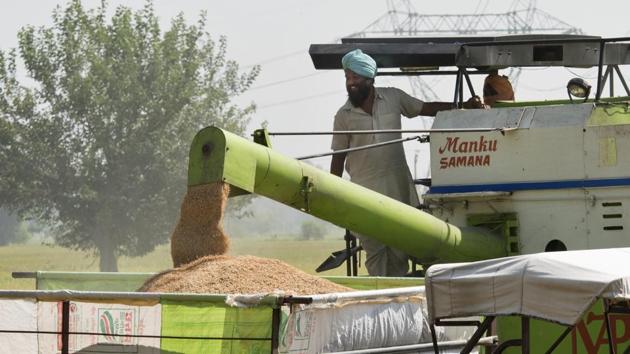
New Delhi sets minimum support prices (MSP) for nearly two dozen crops to set a benchmark, but state agencies mainly buy rice and wheat at those prices. For 2020, India has lifted the price at which it buys locally produced new-season wheat by 4.6% to 19,250 rupees ($268.22) a tonne. “After the hike in MSP, wheat planting has become even more attractive for farmers,” Galipelli said. (Sanchit Khanna / HT Archive)
7/8
 View Photos in a new improved layout
Updated on Nov 30, 2019 7:41 PM
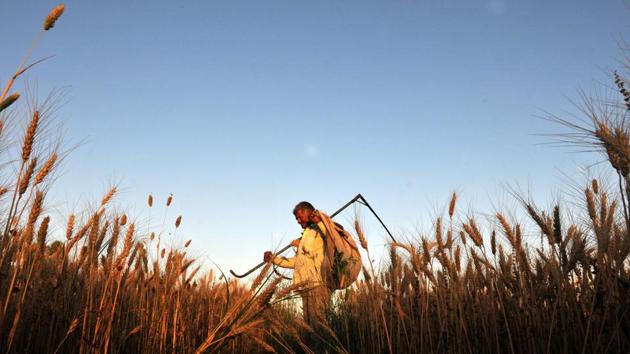
“India could easily produce more than 100 million tones but could not export even 1 million tonnes unless government provides subsidy for exports,” a dealer said. India exported 226,225 tonnes wheat in the 2018/19 fiscal year that ended on March 31, compared to a record 6.5 million tonnes in 2012/13, according to government data. (Amit Dave / REUTERS File)
8/8
 View Photos in a new improved layout
Updated on Nov 30, 2019 7:41 PM


