Nurseries are reporting a surge in demand for air-purifying plants as Delhi battles rising pollution. “While such plants remain a loved category throughout the year, there is still a minimum of two-three times surge in their sales during the time of peak pollution period,” says Akanksha Gupta, co-founder of online nursery Urvann. Anticipating demand, the nursery has stocked up on its AirCare Plants range and larger plant bundles.
As Delhi continues to grapple with 'very poor' AQI, residents are building greener homes and spaces with air-purifying indoor plants. (Photos: Adobe Stock Images)
What's in demand?
As Delhiites turn to indoor greenery amid rising pollution, nurseries are seeing demand for Areca palm, Rhapis palm, Cane palm and China palm, alongside snake plants, money plants, fiddle-leaf figs and ferns.
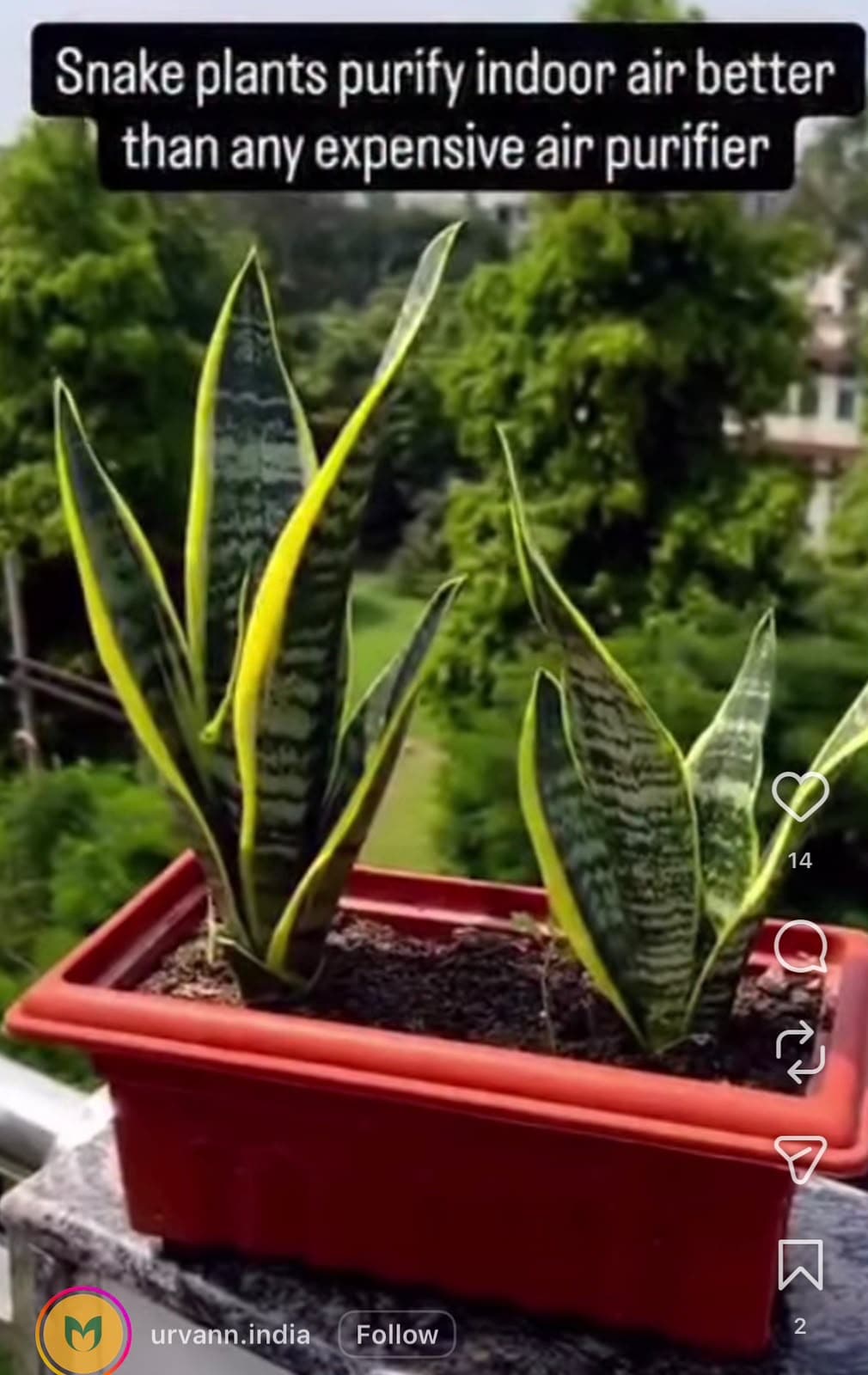
Indoor plants, including snake plants absorb airborne pollutants but alone these not enough to fight the toxic air quality. (Photo: Instagram)
Can plants alone beat the smog?
Certain plants can absorb some airborne pollutants, but a few potted plants cannot filter indoor air quickly enough to tackle Delhi’s severe pollution. While greenery may make indoor spaces more pleasant, it cannot replace effective air filtration, particularly when it comes to harmful fine particulate matter such as PM2.5. “Looking at the current pollution levels in Delhi, we need both air purifying plants as well as air purifiers to breathe better,” says Akanksha Gupta, who recommends adding plants to balconies, terraces and indoor spaces.
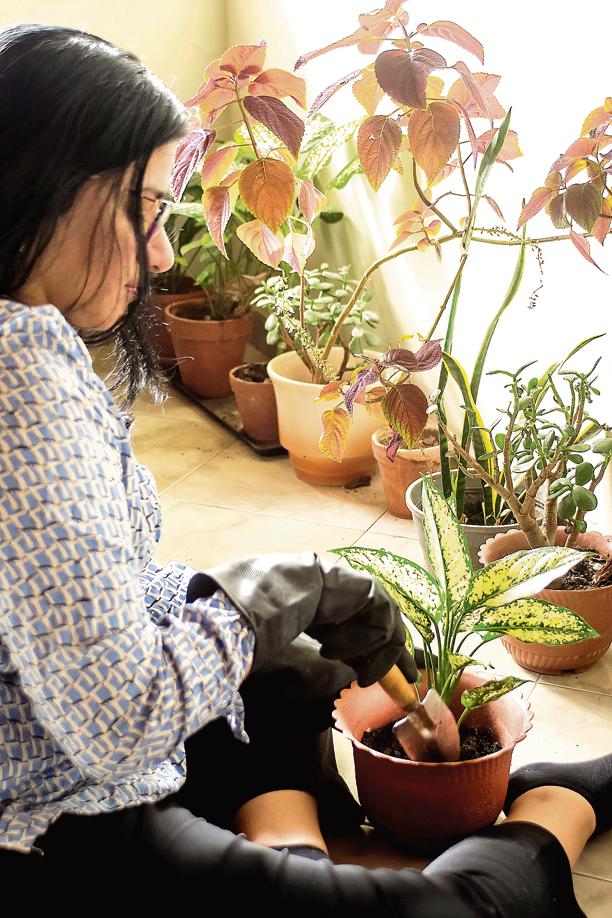
Bringing home air-purifying plants is only the first step and the next is keeping them healthy, particularly during Delhi’s dusty winter months. (Photo: Adobe Stock)
Keep your plants healthy
Indoor plants need regular care, especially during Delhi’s dusty winters. Mayank Sharma, founder of All Things Urban Gardening, recommends wiping leaves weekly, placing plants near windows for indirect sunlight and watering only when the soil feels dry. “I recommend the finger-dip test: dip your finger into the soil and water the plant only when it feels dry. If it’s even slightly moist, don’t water it,” he says adding artificial lighting can help plants survive in spaces with limited natural light.
Choosing the right spot
According to gardening expert Mayank Sharma, areca palm, snake plant, Aglaonema, Philodendron and China Doll are among the varieties that can survive in lower-light conditions. However, even these plants need adequate light to thrive. Place them near a window or balcony door where they receive indirect sunlight.
Anshita writes about culture, art and the many stories that shape Delhi. She is drawn to stories that capture the city’s changing character, from its creative communities to the moments that give it its unique rhythm. She also shares a knack for cinema, theatre, and music.Read More

 E-Paper