

 E-Paper


Where guns bleed
1 / 27
 View Photos in a new improved layout
Updated on Apr 22, 2012 01:41 am IST
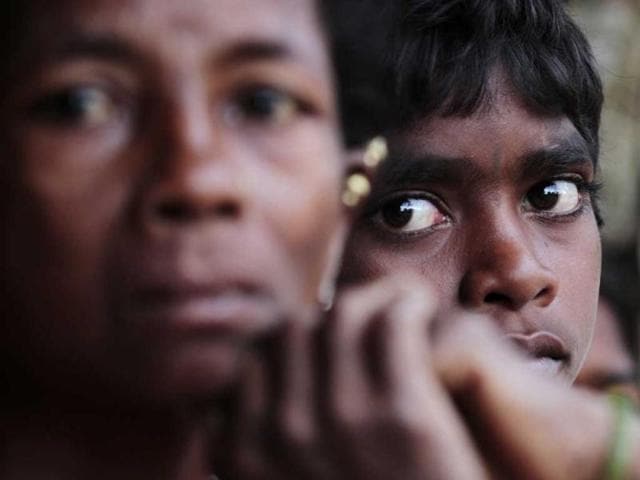
If the tribals veer towards the armed rebels, it is because they want food, clothing, education, health facilities and legitimate rights over the land that is theirs. HT Photo/Ajay Aggarwal
2 / 27
 View Photos in a new improved layout
Updated on Apr 22, 2012 01:41 am IST
The tribals live a destitute life, devoid of basic amenities, liberty and self respect. And if they tend to tilt towards the armed revolutionaries, it’s not entirely out of fear. HT Photo/Ajay Aggarwal
3 / 27
 View Photos in a new improved layout
Updated on Apr 22, 2012 01:41 am IST
Nearly half a billion tribals live in the six worst affected states and they lie at the heart of the Naxal conundrum. HT Photo/Ajay Aggarwal
4 / 27
 View Photos in a new improved layout
Updated on Apr 22, 2012 01:41 am IST
The tribals live in a mineral-rich zone, horribly caught in a cycle of violence that flows from two sets of guns. HT Photo/Ajay Aggarwal
5 / 27
 View Photos in a new improved layout
Updated on Apr 22, 2012 01:41 am IST
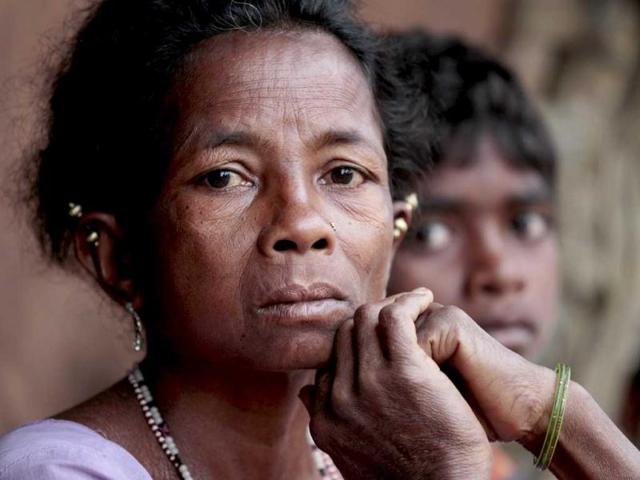
The Centre and the States need to aggressively work towards the development and rehabilitation of tribals if they need to weed out Naxalism from the country. HT Photo/Ajay Aggarwa
6 / 27
 View Photos in a new improved layout
Updated on Apr 22, 2012 01:41 am IST
Some jawans prefer being posted in J-K over Red zones. HT Photo/Ajay Aggarwal
7 / 27
 View Photos in a new improved layout
Updated on Apr 22, 2012 01:41 am IST
The only other companion of a jawan posted in Naxal-affected area besides death is loneliness. HT Photo/Ajay Aggarwal
8 / 27
 View Photos in a new improved layout
Updated on Apr 22, 2012 01:41 am IST
Something to cheer about -142 security personnel killed in 2011 as compared to 285 in 2010; 216 police informers killed in 2011 vis a vis 323 the previous year; and 131 attacks on the police as against 230. HT Photo/Ajay Aggarwal
9 / 27
 View Photos in a new improved layout
Updated on Apr 22, 2012 01:41 am IST
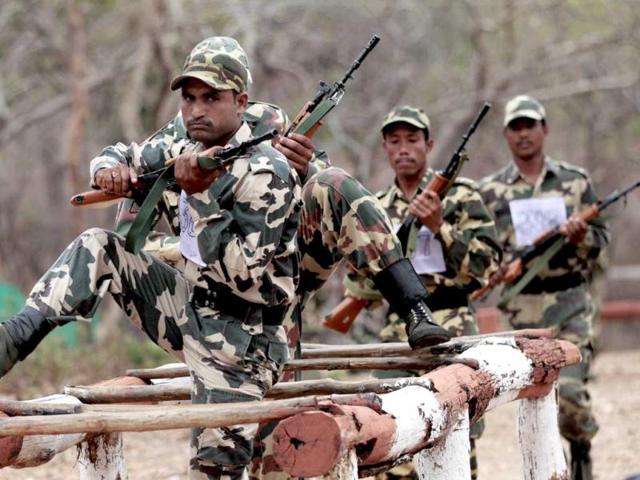
Some jawans have to be taken off combat duty because they get psychologically disturbed. HT Photo/Ajay Aggarwal
10 / 27
 View Photos in a new improved layout
Updated on Apr 22, 2012 01:41 am IST
The home ministry admitted 461 suicides and 64 instances of fratricides amongst the forces were also recorded between 2007 and September 2011. HT Photo/Ajay Aggarwal
11 / 27
 View Photos in a new improved layout
Updated on Apr 22, 2012 01:41 am IST
The home ministry admitted that as many as 46,000 officers and personnel took voluntary retirement from the paramilitary forces between 2007 and September 2011, while another 5,220 resigned from service over the same period. 461 suicides and 64 instances of fratricides were also recorded. HT Photo/Ajay Aggarwal
12 / 27
 View Photos in a new improved layout
Updated on Apr 22, 2012 01:41 am IST
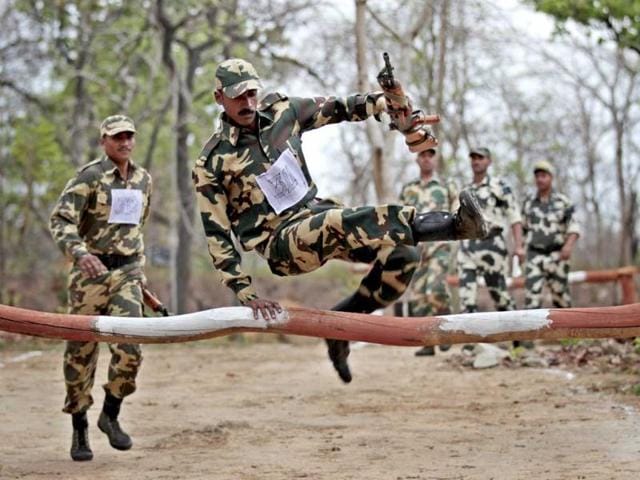
Stepping out of the camp — on patrols, and cordon and search operations — is laden with risk and the troops can get ambushed or blown up in a landmine explosion. HT Photo/Ajay Aggarwal
13 / 27
 View Photos in a new improved layout
Updated on Apr 22, 2012 01:41 am IST
Back breaking physical training is not enough for the jawans for what they constantly battle are metal problems like depression, frustration. HT Photo/Ajay Aggarwal
14 / 27
 View Photos in a new improved layout
Updated on Apr 22, 2012 01:41 am IST
A Maoist was killed during an encounter with security force. HT File Photo/Ajay Aggarwal
15 / 27
 View Photos in a new improved layout
Updated on Apr 22, 2012 01:41 am IST
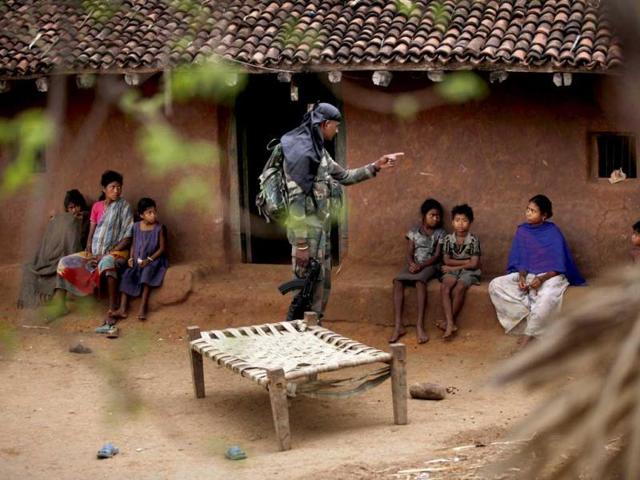
Tribals are even questioned because medicine box has tablets that indicate that perhaps the Naxals had made a stop there. HT Photo/Ajay Aggarwal
16 / 27
 View Photos in a new improved layout
Updated on Apr 22, 2012 01:41 am IST
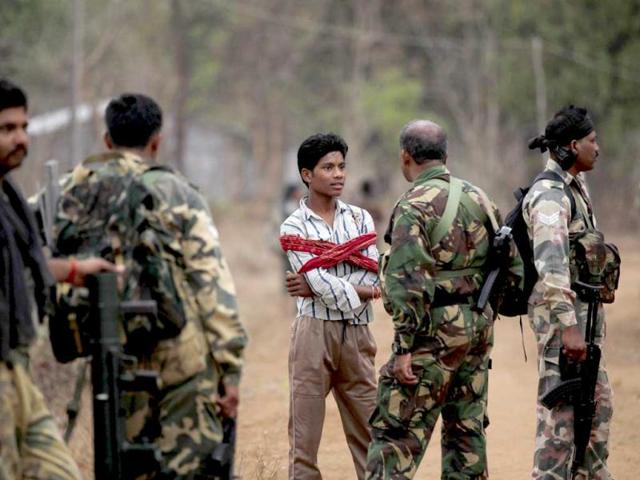
Who are these men hunting for? When the enemy is unknown and the terrain alien, what's the way out? HT Photo/Ajay Aggarwal
17 / 27
 View Photos in a new improved layout
Updated on Apr 22, 2012 01:41 am IST
Despite every effort to help tribals, paramilitary forces face their hostiliy and non-cooperation. HT Photo/Ajay Aggarwal
18 / 27
 View Photos in a new improved layout
Updated on Apr 22, 2012 01:41 am IST
The rifle is their anthem and, borrowed from an American soldier in Vietnam, troopers are told, 'this is my rifle. There are many like it. But this one is mine. My rifle is my best friend. It is my life.' HT Photo/Ajay Aggarwal
19 / 27
 View Photos in a new improved layout
Updated on Apr 22, 2012 01:41 am IST
The tribals suffer uninformed search operations and questioning on a regular basis. HT Photo/Ajay Aggarwal
20 / 27
 View Photos in a new improved layout
Updated on Apr 22, 2012 01:41 am IST
Tribals in Naxal affected areas constantly live under the suspicion of being Maoist sympathiser. HT Photo/Ajay Aggarwal
21 / 27
 View Photos in a new improved layout
Updated on Apr 22, 2012 01:41 am IST
These jawans, from far away Haryana, UP and Tamil Nadu, neither know the terrain, nor the language. HT Photo/Ajay Aggarwal
22 / 27
 View Photos in a new improved layout
Updated on Apr 22, 2012 01:41 am IST
The jawans as so alienated from their own people, they have been instructed not to drink water from the villages, lest it be poisoned. HT Photo/Ajay Aggarwal
23 / 27
 View Photos in a new improved layout
Updated on Apr 22, 2012 01:41 am IST
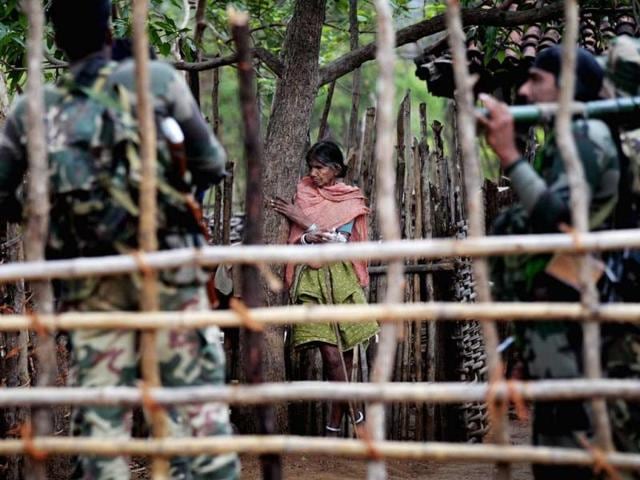
The jungles, across Maoist hit states, are swamped with uniformed men, wielding state-of-the-art automatic rifles, mortars and rocket launchers but despite the ‘massive and coordinated operations’, the red corridor is only expanding. HT Photo/Ajay Aggarwal
24 / 27
 View Photos in a new improved layout
Updated on Apr 22, 2012 01:41 am IST
Paramilitary forces have been forced into an inhospitable war theatre where they don’t know who they are battling and who they have been forced to declare war against. HT Photo/Ajay Aggarwal
25 / 27
 View Photos in a new improved layout
Updated on Apr 22, 2012 01:41 am IST
A CRPF company commander briefs his troop before launching an operation against Naxals at CRPF camp in Bijapur, Chattisgarh. The jawans have also been trained to assemble and load their weapons, blindfolded. HT Photo/Ajay Aggarwal
26 / 27
 View Photos in a new improved layout
Updated on Apr 22, 2012 01:41 am IST
CRPF jawans sleeping in their camp after an operation against Naxals in a forest of Bijapur, Chattisgarh. Even within the confines of the camp, danger lurks. So the troops have to sleep with loaded automatic rifles within handy reach on their beds. HT Photo/Ajay Aggarwal
27 / 27
 View Photos in a new improved layout
Updated on Apr 22, 2012 01:41 am IST