

 E-Paper


10 killer diseases in India and their symptoms
With a population of over 1.3 billion, India is one of the most populous countries in the world. Unfortunately, due to the sheer size of its population and the lack of adequate medical facilities, India is also home to some of the world’s deadliest diseases. Here's a look at the top 10 killer diseases in India and what can be done to combat them.
1 / 11

 View Photos in a new improved layout
Updated on Mar 14, 2023 12:36 pm IST
To combat these diseases, it is important to raise awareness about preventive measures and access to medical care. Vaccines and insecticides can help reduce the spread of many of these diseases, while proper sanitation and hygiene practices can help prevent the spread of others. With the right measures in place, we can work together to protect India's population from these deadly diseases. (REPRESENTATIVE PHOTO)
2 / 11
 View Photos in a new improved layout
Updated on Mar 14, 2023 12:36 pm IST
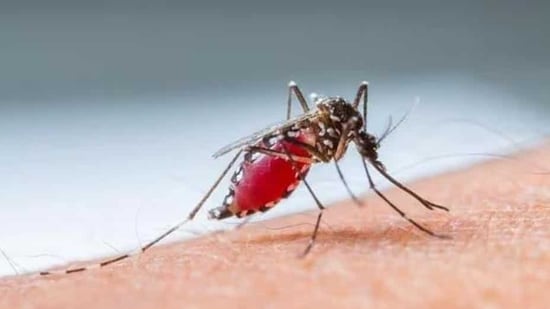
1. Malaria: Malaria is one of the most common and deadly diseases in India. It is caused by the Plasmodium parasite, which is transmitted by female Anopheles mosquitoes. The symptoms of malaria include fever, chills, sweating, headaches, muscle aches, and fatigue. Treatment for malaria includes antimalarial drugs and mosquito control measures.
3 / 11
 View Photos in a new improved layout
Updated on Mar 14, 2023 12:36 pm IST
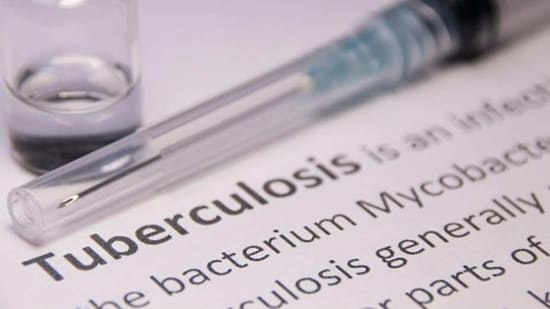
2. Tuberculosis: Tuberculosis (TB) is an infectious disease caused by the Mycobacterium tuberculosis bacteria. It is spread through the air when an infected person coughs, sneezes, or speaks. Symptoms of TB include coughing, fever, night sweats, and weight loss. Treatment for TB involves a combination of antibiotics.(Unsplash)
4 / 11
 View Photos in a new improved layout
Updated on Mar 14, 2023 12:36 pm IST
3. Diarrhea: Diarrhea is a common health problem in India, especially among children. It is caused by a variety of bacteria, viruses, and parasites. Symptoms include loose, watery stools, abdominal cramps, and dehydration. Treatment for diarrhea includes rehydration, antibiotics, and antidiarrheal medications.(Alex Green)
5 / 11
 View Photos in a new improved layout
Updated on Mar 14, 2023 12:36 pm IST
4. Hepatitis: Hepatitis is an inflammation of the liver caused by viral infections. The most common types of hepatitis in India are hepatitis A, B, and C. Symptoms of hepatitis include fever, fatigue, nausea, vomiting, and jaundice. Treatment for hepatitis includes antiviral medications and lifestyle changes.(Twitter/JewelCenterNg)
6 / 11
 View Photos in a new improved layout
Updated on Mar 14, 2023 12:36 pm IST
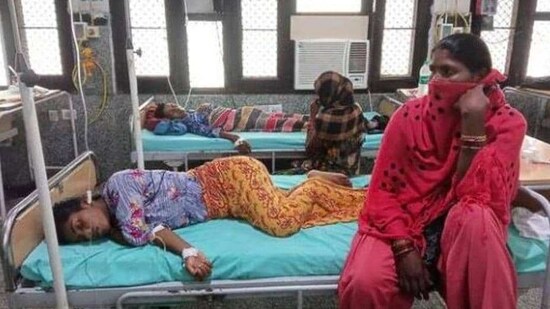
5. Cholera: Cholera is an acute diarrheal illness caused by the bacterium Vibrio cholerae. It is spread through contaminated food and water. Symptoms include watery diarrhea, vomiting, and dehydration. Treatment for cholera includes rehydration, antibiotics, and zinc supplements. (HT File Photo)
7 / 11
 View Photos in a new improved layout
Updated on Mar 14, 2023 12:36 pm IST
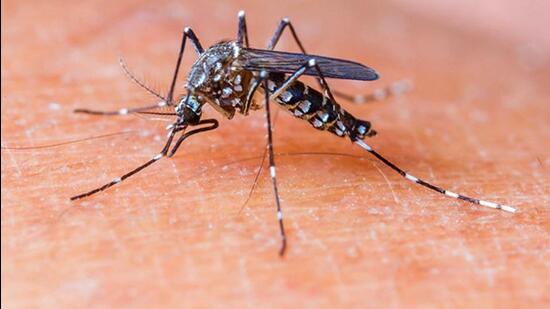
6. Dengue Fever: Dengue fever is a mosquito-borne disease caused by the dengue virus. Symptoms include high fever, severe headache, joint and muscle pain, nausea, and vomiting. Treatment for dengue fever includes supportive care, such as rest and fluids.
8 / 11
 View Photos in a new improved layout
Updated on Mar 14, 2023 12:36 pm IST
7. Typhoid: Typhoid is a bacterial infection caused by the Salmonella typhi bacteria. It is spread through contaminated food and water. Symptoms include fever, headache, abdominal pain, and diarrhea. Treatment for typhoid includes antibiotics and supportive care, such as rest and fluids.(Photo by Pavel Danilyuk)
9 / 11
 View Photos in a new improved layout
Updated on Mar 14, 2023 12:36 pm IST
Leptospirosis: Leptospirosis is a bacterial infection caused by the Leptospira bacteria. It is spread through contact with infected animal urine. Symptoms include fever, headache, muscle pain, and jaundice. Treatment for leptospirosis includes antibiotics and supportive care.(Twitter/91healthtips)
10 / 11
 View Photos in a new improved layout
Updated on Mar 14, 2023 12:36 pm IST
9. HIV/AIDS: HIV/AIDS is a viral infection caused by the human immunodeficiency virus (HIV). It is spread through contact with infected body fluids. Symptoms of HIV/AIDS include fever, fatigue, weight loss, and opportunistic infections. Treatment for HIV/AIDS includes antiretroviral medications and lifestyle changes.
11 / 11
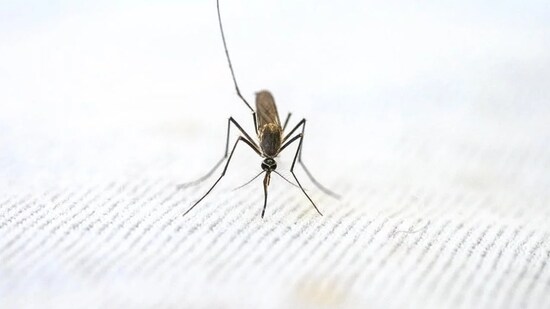 View Photos in a new improved layout
Updated on Mar 14, 2023 12:36 pm IST
