Role of arts, language and literature in child development

By , Delhi
Updated On Jan 17, 2023 04:44 pm IST

The arts, language, and literature play a crucial role in child development as they provide children with a means of expression, communication, and understanding of the world around them. Here are some of its amazing benefits. 

1 / 7
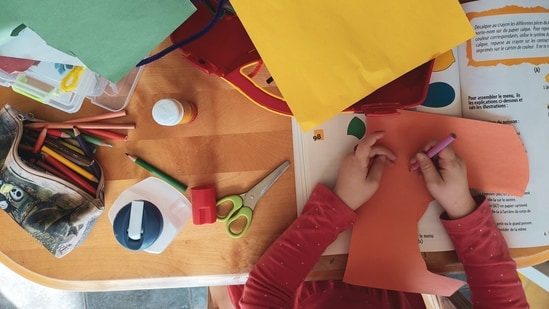
"Arts or facets of arts like drawing, craft, Bandhini etc. not only provides an avenue to express the curious, ingenious and communicative facet of children (which may have been lost to the vagaries of education), but also helps in building skills critical for the journey of life and learning as well," says, Suseela Santhosh, Director, Vishwa Vidyapeeth Group of Schools. She further suggested the role of arts, language and literature in child development and education. (Unsplash) expand-icon View Photos in a new improved layout
Updated on Jan 17, 2023 04:44 pm IST

"Arts or facets of arts like drawing, craft, Bandhini etc. not only provides an avenue to express the curious, ingenious and communicative facet of children (which may have been lost to the vagaries of education), but also helps in building skills critical for the journey of life and learning as well," says, Suseela Santhosh, Director, Vishwa Vidyapeeth Group of Schools. She further suggested the role of arts, language and literature in child development and education. (Unsplash)

2 / 7
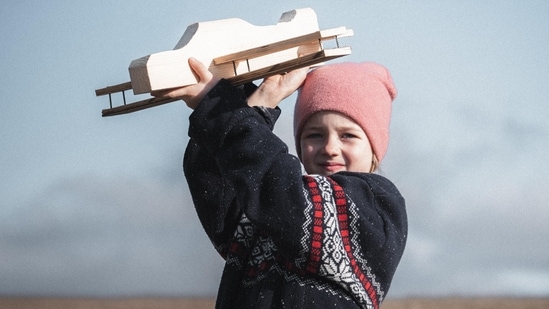
Creativity: Arts allow children to think critically and creatively and express themselves in a variety of ways. It helps them understand that there could be more than one way to examine a perspective and each perspective could well be correct in its own way.(Unsplash) expand-icon View Photos in a new improved layout
Updated on Jan 17, 2023 04:44 pm IST

Creativity: Arts allow children to think critically and creatively and express themselves in a variety of ways. It helps them understand that there could be more than one way to examine a perspective and each perspective could well be correct in its own way.(Unsplash)

3 / 7
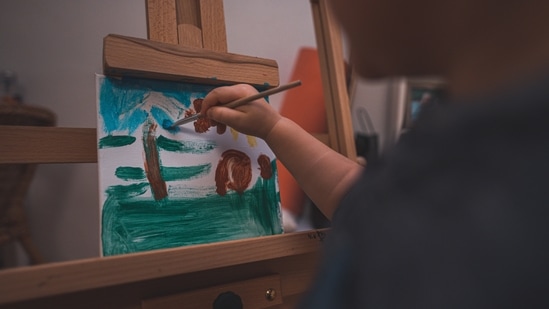
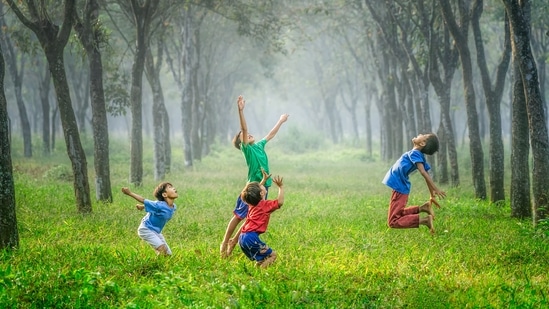
Motor Skills: Simple things like drawing shapes or people’s movements or colouring darker by applying greater force using crayons or creating cardboard models are known to play an important role in improving and building a child’s motor skills.(Unsplash) expand-icon View Photos in a new improved layout
Updated on Jan 17, 2023 04:44 pm IST

Motor Skills: Simple things like drawing shapes or people’s movements or colouring darker by applying greater force using crayons or creating cardboard models are known to play an important role in improving and building a child’s motor skills.(Unsplash)

4 / 7
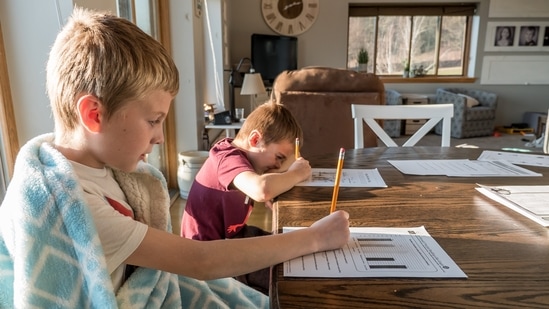
Language and Math Skills: As children draw shapes of varying sizes, volumes and dimensions (to make comparisons or otherwise) and then explain the same to their teachers/parents, they inevitably help build their language (reasoning and narrative) and math skills. (Unsplash) expand-icon View Photos in a new improved layout
Updated on Jan 17, 2023 04:44 pm IST

Language and Math Skills: As children draw shapes of varying sizes, volumes and dimensions (to make comparisons or otherwise) and then explain the same to their teachers/parents, they inevitably help build their language (reasoning and narrative) and math skills. (Unsplash)

5 / 7
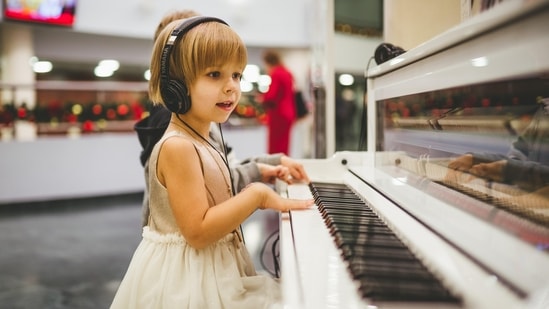
Cognitive Skills: Any art, whether performing (music, dance or singing) or otherwise (drawing, craft) would require the child to imagine, visualize, interpret and critically analyse the eventual outcome, patterns/variations in performance and so on.(Unsplash) expand-icon View Photos in a new improved layout
Updated on Jan 17, 2023 04:44 pm IST

Cognitive Skills: Any art, whether performing (music, dance or singing) or otherwise (drawing, craft) would require the child to imagine, visualize, interpret and critically analyse the eventual outcome, patterns/variations in performance and so on.(Unsplash)

6 / 7
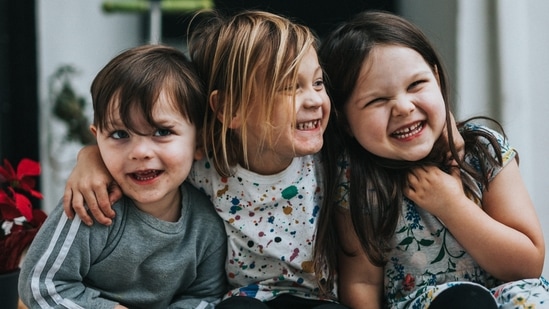
Collaboration and Teamwork: This is especially applicable to performing arts like theatre, music or dance where children need to work with each other as a team to ensure the final performance meets intended standards. This means they will need to negotiate, collaborate, communicate and organise.(Unsplash) expand-icon View Photos in a new improved layout
Updated on Jan 17, 2023 04:44 pm IST

Collaboration and Teamwork: This is especially applicable to performing arts like theatre, music or dance where children need to work with each other as a team to ensure the final performance meets intended standards. This means they will need to negotiate, collaborate, communicate and organise.(Unsplash)

7 / 7
Confidence: Any art form needs students to push themselves to come out of their bubbles and face an audience. That experience itself goes a long way in building the child’s confidence and ability to communicate with strangers.(Unsplash) expand-icon View Photos in a new improved layout
Updated on Jan 17, 2023 04:44 pm IST

Confidence: Any art form needs students to push themselves to come out of their bubbles and face an audience. That experience itself goes a long way in building the child’s confidence and ability to communicate with strangers.(Unsplash)

  • author-default-90x90
    ABOUT THE AUTHOR
    Akanksha Agnihotri

    Akanksha Agnihotri is a lifestyle journalist with over 3 years of experience. She is a psychology graduate and holds a postgraduate diploma in Radio and Television Journalism from the Indian Institute of Mass Communication, Delhi, where she graduated as a gold medalist. Originally from Bhopal, the beautiful capital of Madhya Pradesh, she draws inspiration from the city’s rich cultural heritage and layered storytelling traditions that subtly shape her narrative voice. She writes extensively about fashion, beauty, health, relationships, culture, and food, exploring everything from trending styles and runway moments to wellness routines and mindful living. Passionate about meaningful and candid conversations, she enjoys interviewing celebrities, doctors, designers, and film personalities, diving into discussions on fitness, beauty, mental health, and everything fun in between. With a keen eye for trends and a thoughtful understanding of human behaviour, she brings depth, sensitivity, and authenticity to her stories, ensuring they resonate with a wide and diverse audience. When she’s not working, you’ll usually find her lost in a book, planning her next mountain trek, or mapping out spontaneous travel escapes. She loves discovering new authors, revisiting old favourites, and spending quiet afternoons in museums soaking in art, history, and culture. An avid bird-watching enthusiast, she finds joy in early morning walks, spotting rare birds, and reconnecting with nature. Whether sipping coffee while journaling her thoughts or exploring hidden corners of a new city, she constantly seeks inspiration in everyday moments that often turn into compelling story ideas.

SHARE
Story Saved
Saved Articles
Following
My Reads
Sign out
Get App
crown-icon
Subscribe Now!