
 E-Paper



Photos: International aid arrives to assist India’s fight against Covid-19
The first emergency medical supplies trickled into Covid-hit India on April 28 as part of a global campaign to staunch a catastrophic wave in the latest pandemic hotspot, with the United States also pledging to export millions of AstraZeneca vaccine doses. Meanwhile, at home companies ranging from conglomerates such as Tata Group and Reliance Industries Ltd to Jindal Steel and Power have stepped forward to help supply medical oxygen.
Published on: Apr 27, 2021 3:57 PM IST


Share via


Copy link

1/9

 View Photos in a new improved layout
Published on Apr 27, 2021 3:57 PM
People waiting to refill empty cylinders with medical oxygen at Talkatora oxygen plant in Lucknow on April 26. India's Covid-19 infection and death rates are growing alarmingly, overwhelming hospitals and health infrastructure in recent weeks. (Deepak Gupta / HT Photo)
2/9
 View Photos in a new improved layout
Published on Apr 27, 2021 3:57 PM
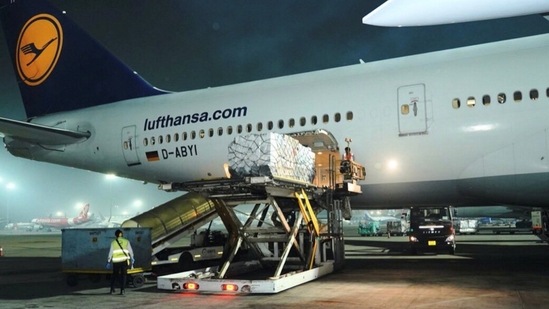
All efforts to strengthen India’s fight against the pandemic are on. Crates of ventilators and oxygen concentrators from the United Kingdom were unloaded at a Delhi airport early April 27, the first emergency medical supplies to arrive in the country, AFP reported. (PTI)
3/9
 View Photos in a new improved layout
Published on Apr 27, 2021 3:57 PM
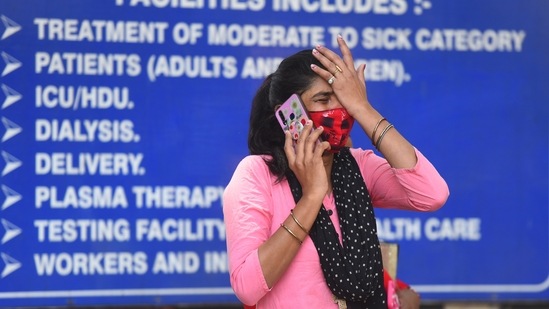
The relative of a Covid-19 patient reacts while waiting for admission outside the Lok Nayak Jai Prakash (LNJP) hospital in New Delhi on April 26. The virus has now killed more than 3.1 million people worldwide, with India driving the latest surge in global case numbers, recording over 350,000 new infections on April 26. (Amal KS / HT Photo)
4/9
 View Photos in a new improved layout
Published on Apr 27, 2021 3:57 PM
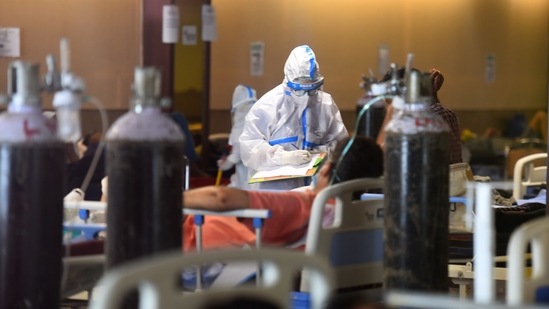
Medical staff in PPE attending to a person in the temporary Covid-19 care centre attached to LNJP Hospital in New Delhi on April 26. The United States, France, Germany, Canada and the World Health Organization have all promised to rush supplies to India. (Raj K Raj / HT Photo)
5/9
 View Photos in a new improved layout
Published on Apr 27, 2021 3:57 PM
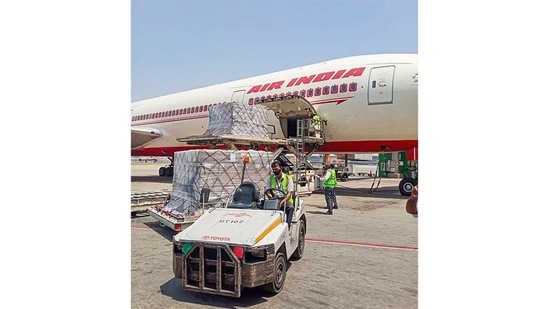
318 Philips Oxygen Concentrators on Air India flight from JFK Airport in the United States landed at Delhi Airport on April 26. US President Joe Biden announced on April 26 the United States would send up to 60 million doses of the AstraZeneca Covid-19 vaccine abroad. India appears to be a leading contender for those vaccines after Biden spoke with Prime Minister Narendra Modi, aFP reported. (PTI)
6/9
 View Photos in a new improved layout
Published on Apr 27, 2021 3:57 PM
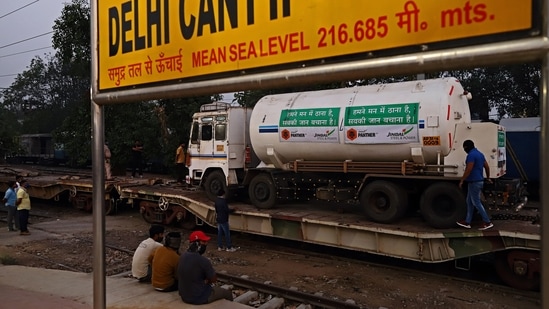
The first "Oxygen Express" train pulled into New Delhi, on April 27, carrying about 70 tonnes of the life-saving gas from Chhattisgarh, as part of nationwide efforts to divert critical oxygen supplies from industrial users to medical facilities. (Anindito Mukherjee / Bloomberg)
7/9
 View Photos in a new improved layout
Published on Apr 27, 2021 3:57 PM
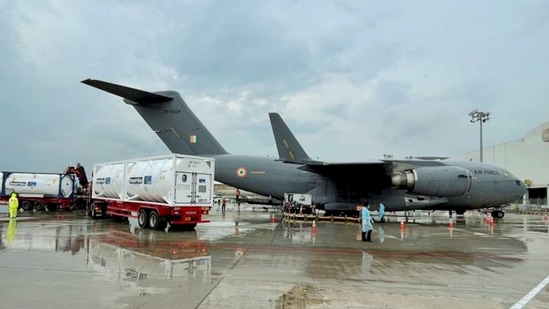
IAF C17 transport aircraft gearing up to airlift more empty oxygen containers from Singapore on April 27. India has also turned to its armed forces for help fighting the crisis as new infections have topped 300,000 since April 21. (PTI)
8/9
 View Photos in a new improved layout
Published on Apr 27, 2021 3:57 PM
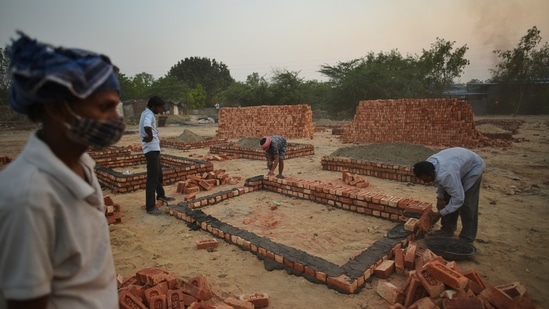
Cremation platforms being built outside Sarai Kale Khan crematorium to accommodate Covid-19 deaths, in New Delhi on April 26. India has converted hotels and railway coaches into critical care facilities, but experts warn the next crisis will be a shortage of healthcare professionals. (Amal KS / HT Photo)
9/9
 View Photos in a new improved layout
Published on Apr 27, 2021 3:57 PM


