

 E-Paper


Conservation process on at Fort Gobindgarh
1 / 10
 View Photos in a new improved layout
Updated on Jun 19, 2016 03:35 pm IST
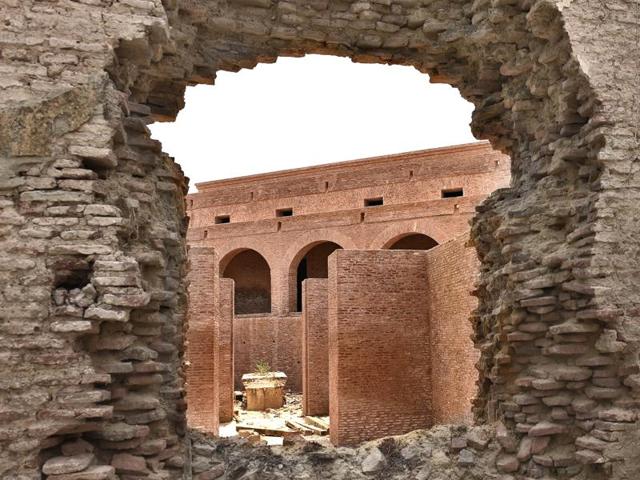
The Fort Gobindgarh under the process of being conserved in Amritsar as a preserved monument of historical importance. (Gurpreet Singh/HT Photo)
2 / 10
 View Photos in a new improved layout
Updated on Jun 19, 2016 03:35 pm IST
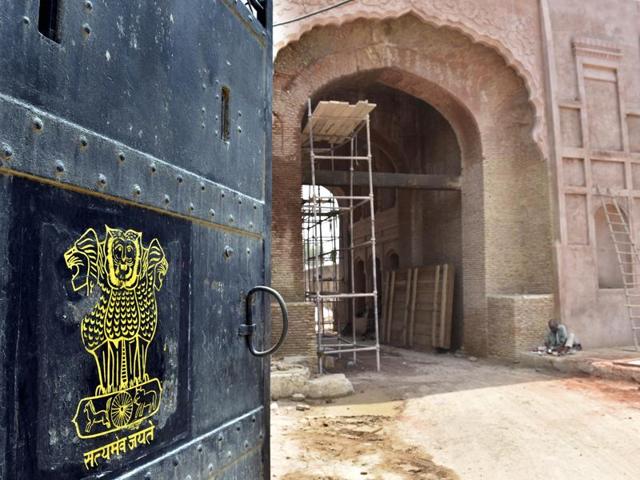
Construction work going on at the Fort Gobindgarh in Amritsar on Wednesday. (Gurpreet Singh/HT Photo)
3 / 10
 View Photos in a new improved layout
Updated on Jun 19, 2016 03:35 pm IST
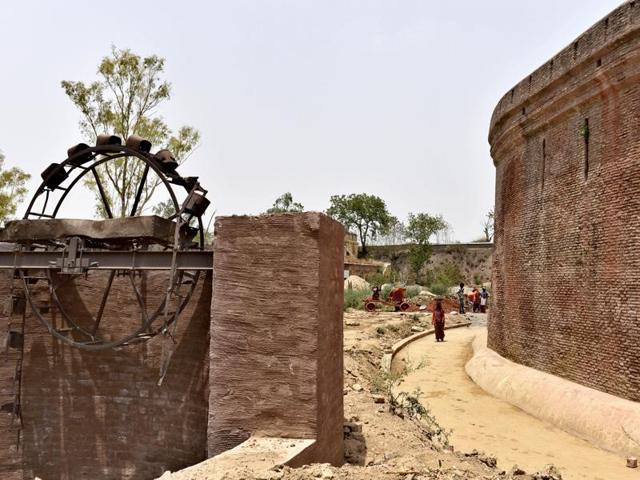
Erected in 1760, the fort was initially called ‘Bhangian Da Quila’, named after Bhangis, one of the 12 Sikh ‘misls’. (Gurpreet Singh/HT Photo)
4 / 10
 View Photos in a new improved layout
Updated on Jun 19, 2016 03:35 pm IST
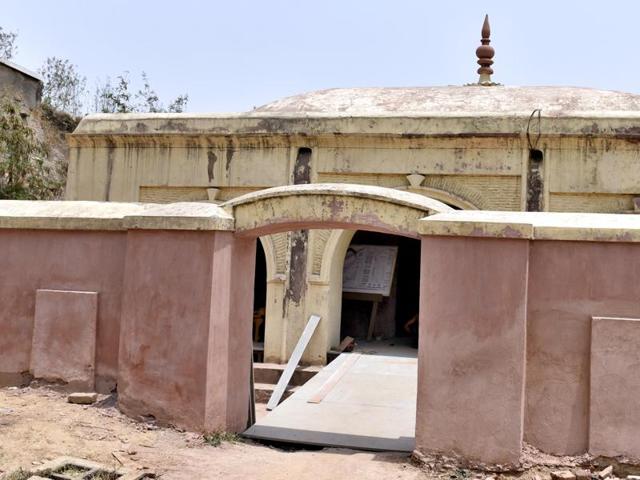
It was later rechristened as ‘Gobindgarh’ after Guru Gobind Singh by Maharaja Ranjit Singh. (Gurpreet Singh/HT Photo)
5 / 10
 View Photos in a new improved layout
Updated on Jun 19, 2016 03:35 pm IST
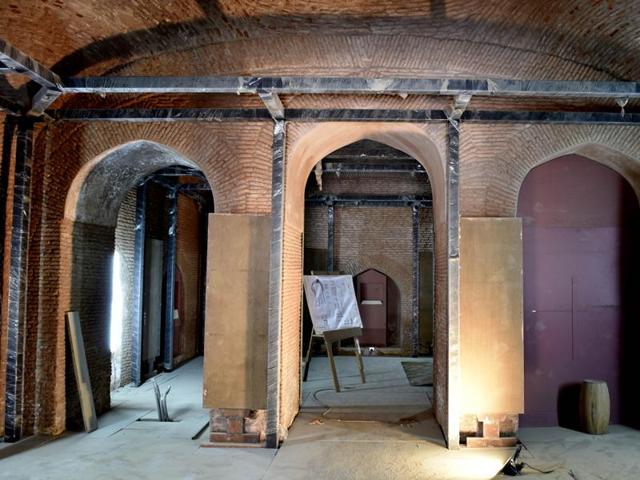
The fort came under the control of the army in 1849, when the British annexed Punjab after Maharaja Ranjit Singh’s death. (Gurpreet Singh/HT Photo)
6 / 10
 View Photos in a new improved layout
Updated on Jun 19, 2016 03:35 pm IST
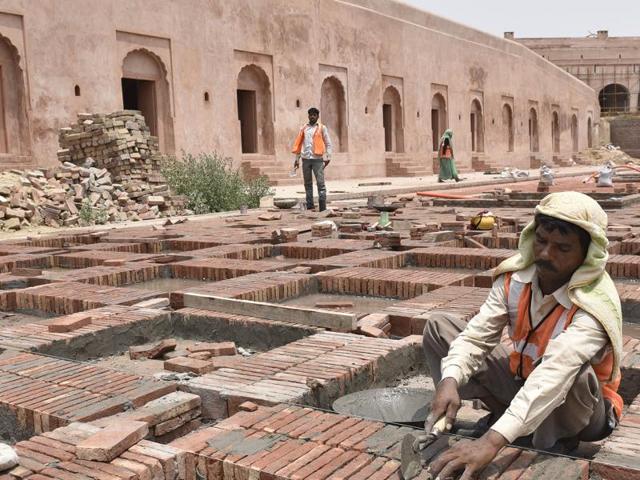
It came under the control of the Indian army in 1948 and 26 units of the army had been stationed here since then. (Gurpreet Singh/HT Photo)
7 / 10
 View Photos in a new improved layout
Updated on Jun 19, 2016 03:35 pm IST
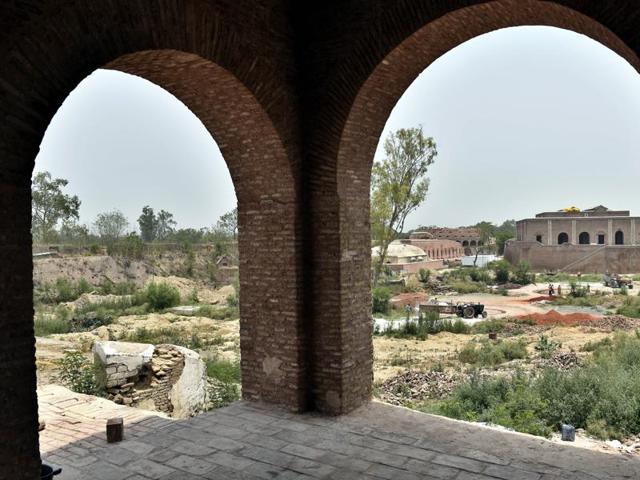
Keeping in mind the historical importance of this Fort in the Sikh history, the Punjab government had decided to preserve the Fort Gobindgarh under “the Punjab Ancient and Historical Monuments and Archaeological Sites and Remains Act 1964”. (Gurpreet Singh/HT Photo)
8 / 10
 View Photos in a new improved layout
Updated on Jun 19, 2016 03:35 pm IST
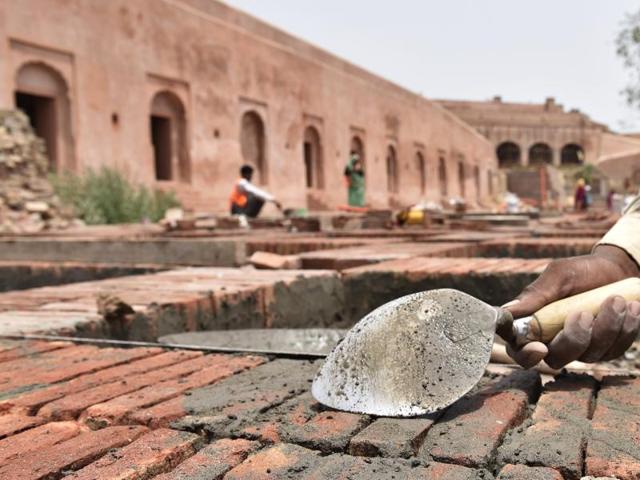
Former prime minister Manmohan Singh had handed over ts keys to the civil administration in 2006 for its conservation. (Gurpreet Singh/HT Photo)
9 / 10
 View Photos in a new improved layout
Updated on Jun 19, 2016 03:35 pm IST
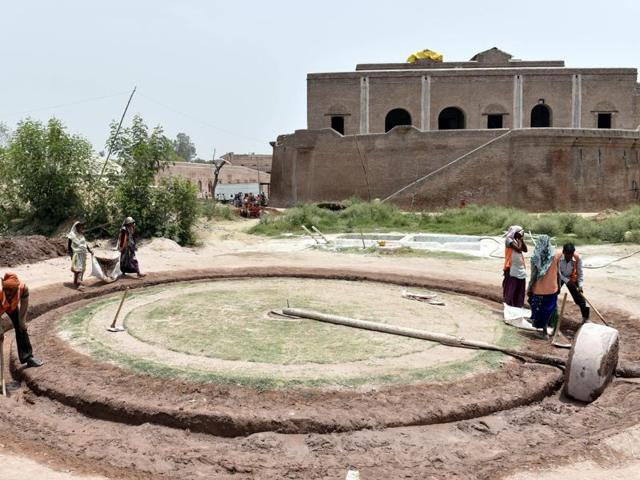
Fort Gobindgarh was constructed with brick and lime on a square pattern with a parameter of 1500 square meter with two strong gates, four large bastions and well-defined rampart. (Gurpreet Singh/HT Photo)
10 / 10
 View Photos in a new improved layout
Updated on Jun 19, 2016 03:35 pm IST