
 E-Paper



Photos: A city of hope rises to aid Madagascar’s needy
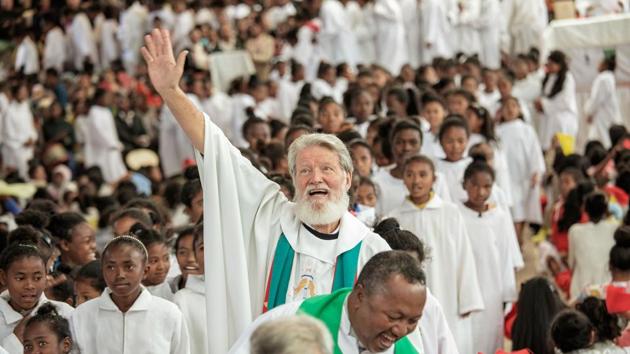
Father Pedro Opeka an Argentinian priest created a local non-governmental organization called Akamasoa (the good and faithful friends) in December 1989 to continue his work with the Malagasy people. He has appointed a team of staff to help him to manage the daily activities and to provide continuous support to poor people. Today Akamasoa sustains about thirty thousand people in 18 villages, among them ten thousand children, who all go to school, following the building of 37 new schools in the years since Akamasoa's founding.
Updated on: Sep 16, 2019 10:58 AM IST

Share via


Copy link

1/7
 View Photos in a new improved layout
Updated on Sep 16, 2019 10:58 AM
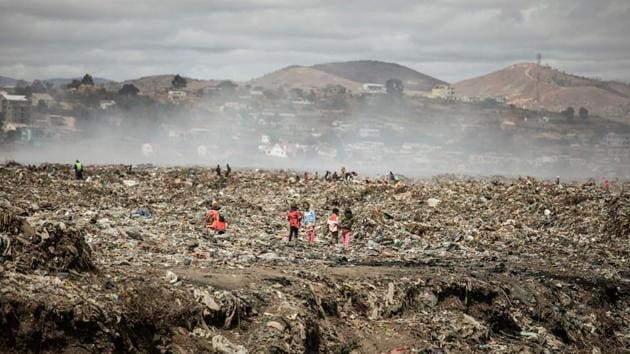
Children seen at the municipal landfill by Father Opeka’s association Akamasoa on the outskirts of Antananarivo. Opeka created a local non-governmental organization called Akamasoa (the good and faithful friends) in December 1989 to continue his work with the Malagasy people. He appointed a team of staff to help him to manage the daily activities and to provide continuous support to poor people. (Gianluigi Guercia / AFP)
2/7
 View Photos in a new improved layout
Updated on Sep 16, 2019 10:58 AM
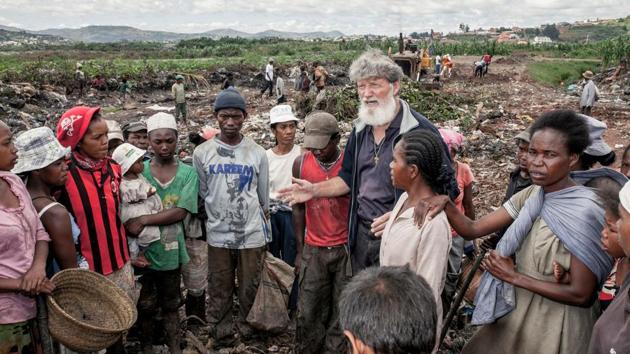
Father Pedro Opeka speaks to people who come every day to the largest landfill in Antananarivo to collect and sort waste that they will then sell on the streets of the Madagascan capital. Today Akamasoa sustains about thirty thousand people in 18 villages, among them ten thousand children, who all go to school, following the building of 37 new schools in the years since Akamasoa’s founding. (Gianluigi Guercia / AFP)
3/7
 View Photos in a new improved layout
Updated on Sep 16, 2019 10:58 AM
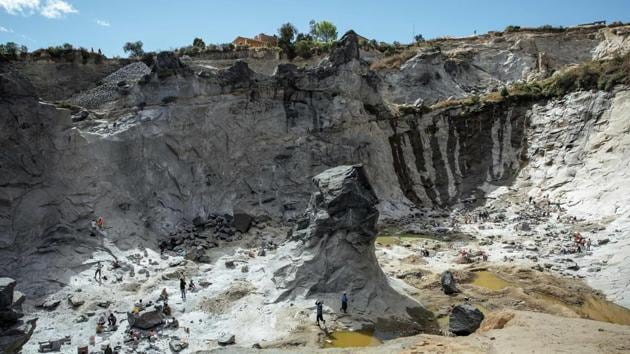
Workers from the Father Opeka’s association Akamasoa work in a Granite quarry on July 24, 2019 on the outskirts of Antananarivo. “Father Pedro picked us from the street. He is our Saviour,” said Mampiomina Eloise Rasoanirina, 44, who works at one of Akamasoa’s granite quarries. (Gianluigi Guercia / AFP)
4/7
 View Photos in a new improved layout
Updated on Sep 16, 2019 10:58 AM
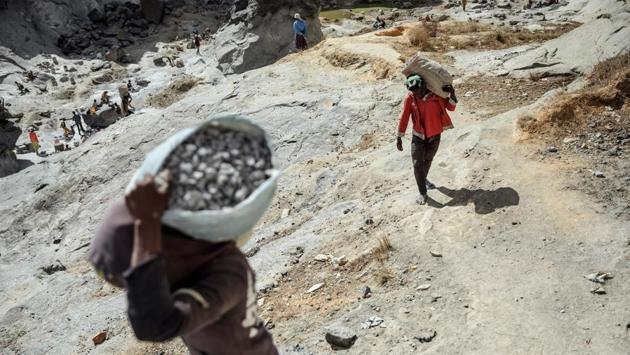
Workers from the Father Opeka’s association Akamasoa carry stones and grabble from a Granite quarry. The town’s white walls contrast with the filth of Antananarivo’s streets. Painted slogans say “No speaking, we are working.” (Gianluigi Guercia / AFP)
5/7
 View Photos in a new improved layout
Updated on Sep 16, 2019 10:58 AM
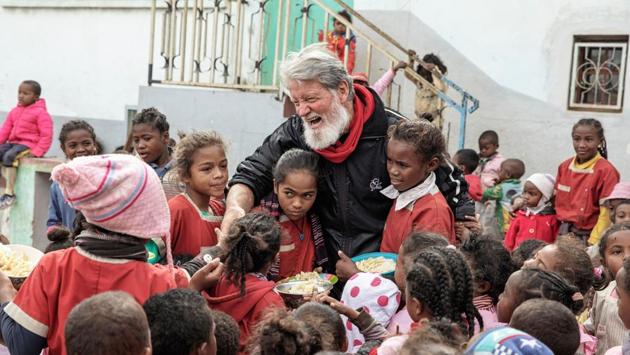
Father Pedro Opeka interacts with children from the Akamasoa Association. “These are people that no one would even acknowledge and who have regained their dignity,” said Pedro, who has lived in Madagascar for over 40 years. “We gave them a roof, an education, a job and this hell became an oasis of hope.” Aged 71, with a snowy beard and sparkly blue eyes, he is constantly tailed by a cloud of children. (Gianluigi Guercia / AFP)
6/7
 View Photos in a new improved layout
Updated on Sep 16, 2019 10:58 AM
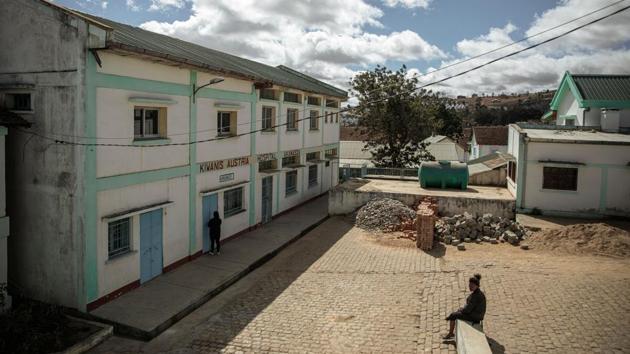
Since its independence from France in 1960, Madagascar is the only country in the world where poverty has increased despite the absence of war. Around three quarters of the island nation’s 26 million inhabitants live on less than two dollars per day. “Having enough to eat is an event,” Pedro said. Akamasoa relies on donations. Pedro has just returned from a trip to Europe to collect funds, which he hopes will last for the next eight or nine months. (Gianluigi Guercia / AFP)
7/7
 View Photos in a new improved layout
Updated on Sep 16, 2019 10:58 AM


