
 E-Paper



Photos: A year documenting migration on the Rio Grande
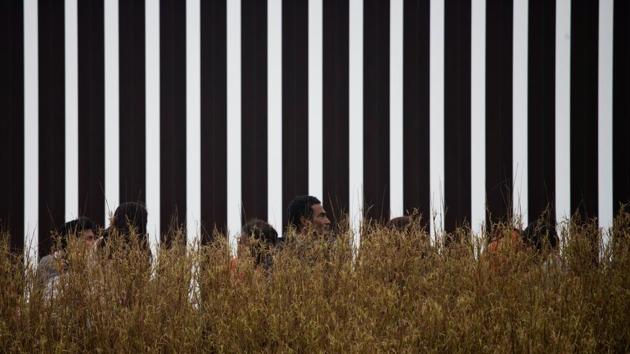
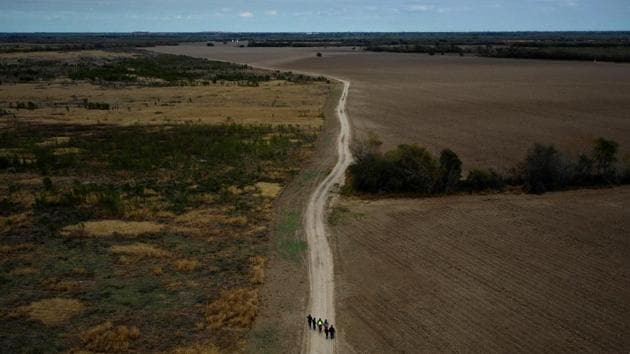
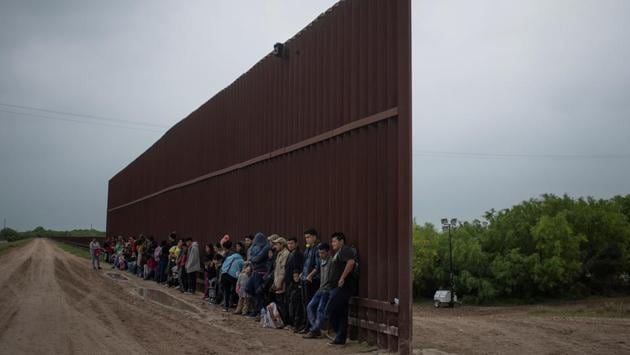
A short stretch of the meandering Rio Grande - the river that marks the border between the United States and Mexico - has been for a long time a focal point for migrants looking to head north, seeking a better life. Reuters photographer Adrees Latif has spent much of the last year in the Rio Grande Valley, documenting the scenes. It begins in early 2019, on a dirt road through a cotton farm in Texas that is known as a migrant trail. The road leads from the Rio Grande to the border wall, about a mile away. In winter, the trail is cold and muddy. Already, families are lining up to be processed.
Updated on: Mar 14, 2020 9:24 PM IST


Share via


Copy link

1/10
 View Photos in a new improved layout
Updated on Mar 14, 2020 9:24 PM
Asylum seeking migrants from Central America line up along the border wall, while they wait to be transported to a nearby holding facility for migrants in Penitas, Texas, US. A short stretch of the meandering Rio Grande - the river that marks the border between the United States and Mexico - has been for a long time a focal point for migrants looking to head north, seeking a better life. (Adrees Latif / REUTERS)
2/10
 View Photos in a new improved layout
Updated on Mar 14, 2020 9:24 PM
A group of migrants walk past plowed farmland after crossing into the United States from Mexico. In the first half of 2019, it became a scene of chaos and misery as unprecedented numbers of asylum seekers arrived. Most families fleeing poverty and gang violence, sought to cross at a record rate -- overwhelming the border patrol agents on the US side. (Adrees Latif / REUTERS)
3/10
 View Photos in a new improved layout
Updated on Mar 14, 2020 9:24 PM
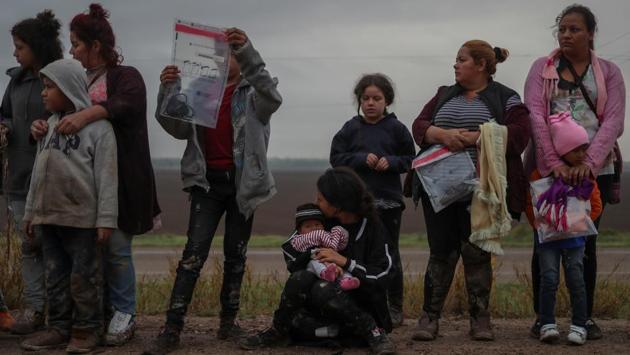
As summer gave way to autumn, the numbers declined dramatically. US President Donald Trump, who had campaigned on an anti-immigration platform, passed a series of measures to curb entry and pressured Mexico to make its own border more secure. (Adrees Latif / REUTERS)
4/10
 View Photos in a new improved layout
Updated on Mar 14, 2020 9:24 PM
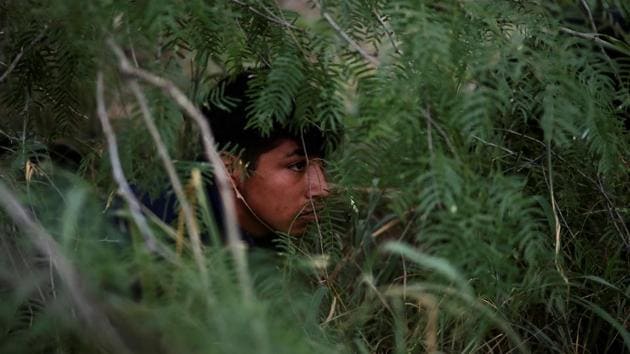
A migrant from Central America, hides in a thick bush before being apprehended by border patrol agents in La Joya, Texas. As a result of the new policies, tens of thousands of migrants have been turned back across the border to wait in Mexico to resolve their immigration cases. (Adrees Latif / REUTERS)
5/10
 View Photos in a new improved layout
Updated on Mar 14, 2020 9:24 PM
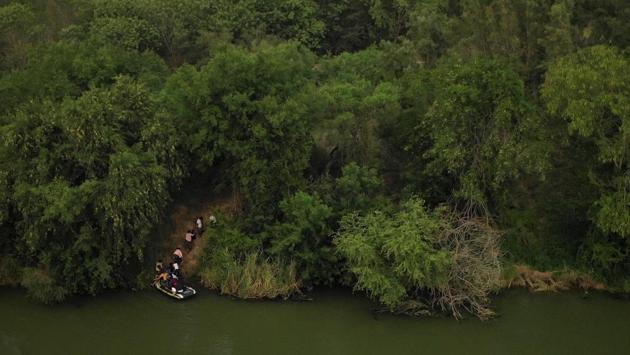
A group of migrants climb up the banks of the Rio Grande river after crossing into the United States from Mexico on a raft, in Los Ebanos, Texas. The US border patrol said total apprehensions at the southwest border hit a high of nearly 133,000 in May 2019. By November that decreased to some 34,000. (Adrees Latif / REUTERS)
6/10
 View Photos in a new improved layout
Updated on Mar 14, 2020 9:24 PM
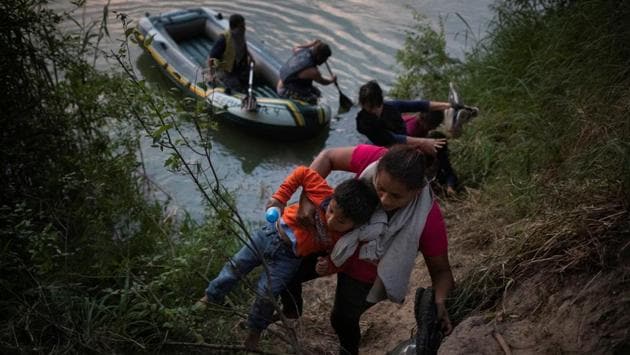
Ladi, a migrant from Honduras, climbs up the bank of the Rio Grande river while holding her 4-year-old nephew Dedier, in Los Ebanos, Texas. Children, many still in diapers, are vulnerable. Smugglers travel back and forth across the Rio Grande transporting their human cargo and will sometimes hold back a child and threaten to throw them in the water if agents get too close, border agents say. (Adrees Latif / REUTERS)
7/10
 View Photos in a new improved layout
Updated on Mar 14, 2020 9:24 PM
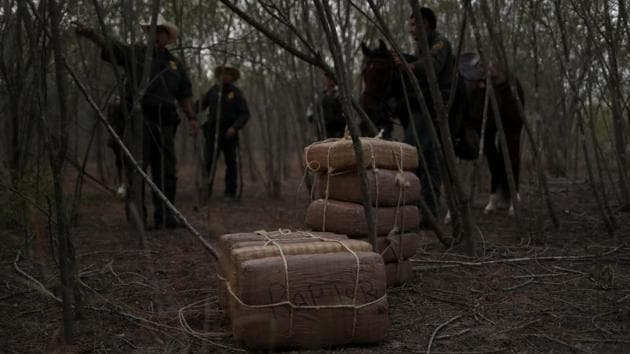
Border patrol agents surround what they said was about 140 pounds of marijuana which was abandoned by smugglers in La Joya. Many smugglers are linked to drug trafficking gangs. In April, border agents hear about a group who they believe are bringing in marijuana. They chase them in the dark and catch about 30 men on a river bank studded with spiky cactus plants -- reported Reuters. (Adrees Latif / REUTERS)
8/10
 View Photos in a new improved layout
Updated on Mar 14, 2020 9:24 PM
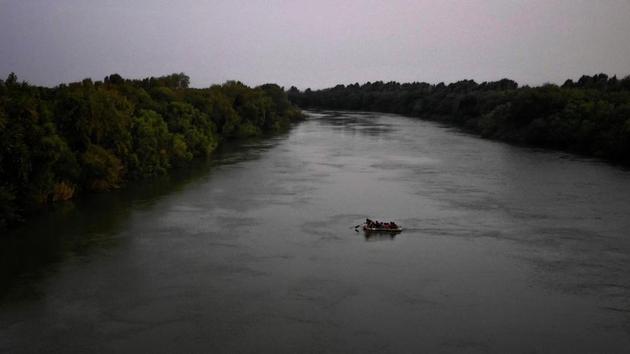
A man on a raft with asylum seeking migrants from Central America, paddles the boat towards the banks as he looks for a landing area along the Rio Grande river after crossing into the United States from Mexico. (Adrees Latif / REUTERS)
9/10
 View Photos in a new improved layout
Updated on Mar 14, 2020 9:24 PM
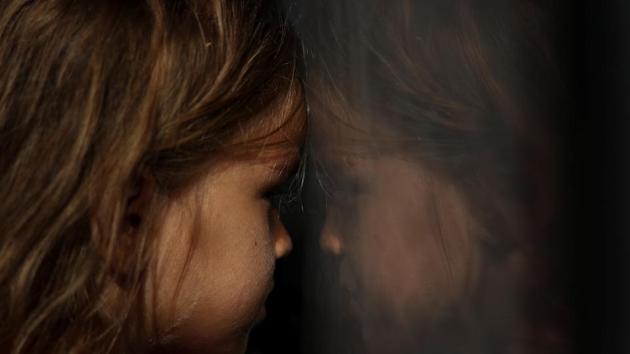
Anna, 5, from Honduras, sits in the back of a border patrol vehicle after being apprehended along with a group of other migrants from Central America who were hiding in thick bush after they crossed into the United States from Mexico, in Mission, Texas. (Adrees Latif / REUTERS)
10/10
 View Photos in a new improved layout
Updated on Mar 14, 2020 9:24 PM


