
 E-Paper



Photos: Ayahuasca drives psychedelic tourism in Peru despite recent killing
Over the past decade at least 11 tourists have been killed in incidents linked to traditional medicine in South America, according to news reports. Still as more Westerners visit jungle retreats in Peru, Colombia and Ecuador seeking out Ayahuasca, the legendary hallucinogenic tea containing DMT, commercialization has taken over what was a sacred ritual among Amazonian tribes to ward off evil spirits, as profit-seeking impostors pop up among the dozens of legitimate ayahuasca centers that have emerged over the years.
Updated on: Jun 8, 2018 10:01 AM IST


Share via


Copy link

1/11
 View Photos in a new improved layout
Updated on Jun 8, 2018 10:01 AM
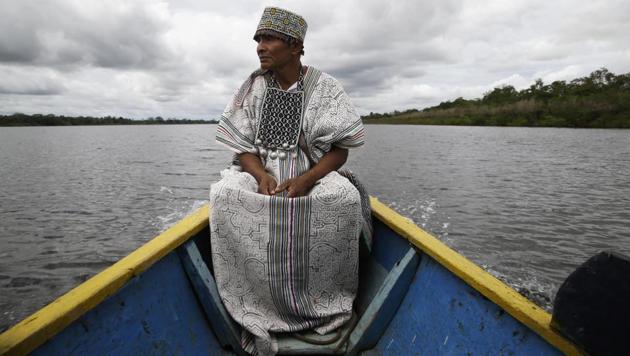
Shaman Pablo Flores who performs ayahuasca ceremonies takes a trip up the Ucayali River in the Peruvian Amazon. Every year thousands of tourists visit jungle retreats in Peru, Colombia and Ecuador to try ayahuasca, a hallucinogenic elixir made of native plants that is thought to heal some mental illnesses. But while many say they have found peace and enlightenment, for few seekers the experience has proved fatal. (Martin Mejia / AP)
2/11
 View Photos in a new improved layout
Updated on Jun 8, 2018 10:01 AM
Pablo Flores brews ayahuasca in Peru. Known in the Quechua languages as the vine of the soul, or death, depending upon the translation, ayahuasca has been used for hundreds of years by indigenous communities throughout the Amazon basin, mostly in religious rituals. The plant contains DMT, an alkaloid that causes strong hallucinations. (Martin Mejia / AP)
3/11
 View Photos in a new improved layout
Updated on Jun 8, 2018 10:01 AM
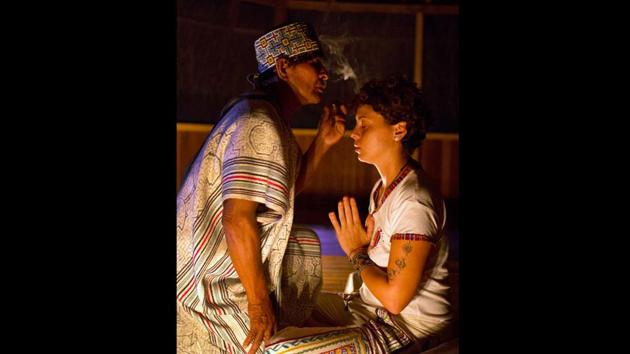
In a straw hut, engulfed by the nighttime cacophony of the Amazon rainforest, Flores inhales a potent tobacco from a pipe and blows smoke on Pamela Moronci’s head to cleanse her. The 30-year-old businesswoman said she first tried ayahuasca in Italy, as she fought depression, and credits it with “finding truths” about herself that regular meditation could not provide. (Martin Mejia / AP)
4/11
 View Photos in a new improved layout
Updated on Jun 8, 2018 10:01 AM
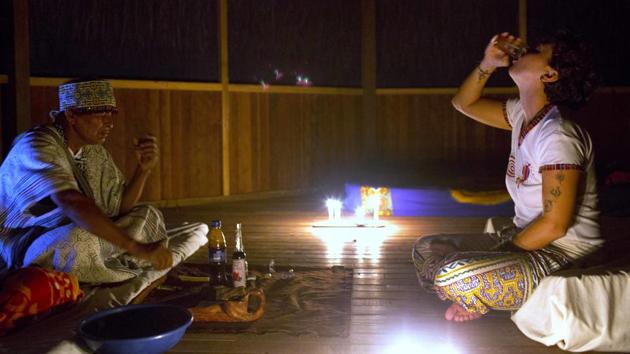
The shaman then offered Moronci a plastic cup with three ounces of a bitter, muddy brew made from the psychedelic vines. Moronci drank it, coughed and smiled despite its unpleasant taste. “The plant told me I had a problem in my ovaries that I was not aware of, and that is what I am working on now,” she said. (Martin Mejia / AP)
5/11
 View Photos in a new improved layout
Updated on Jun 8, 2018 10:01 AM
Moronci exhales smoke during an ayahuasca session. After the ritual Moronci said that she relived happy moments of her childhood and also realized that she had health problems that had to be addressed. Moronci said, “There is a really strong energy here,” before falling asleep, amid the chirping of crickets and thundering rain. (Martin Mejia / AP)
6/11
 View Photos in a new improved layout
Updated on Jun 8, 2018 10:01 AM
While for many ayahuasca has given them enigmatic experiences, over the past decade at least 11 tourists have been killed in incidents linked to the use of this traditional medicine. The latest killing took place in April where Sebastian Woodroffe, a 41-year-old Canadian man studying medicinal plants, was bludgeoned in broad daylight by an angry mob in retaliation for him allegedly killing a revered traditional healer. (Martin Mejia / AP)
7/11
 View Photos in a new improved layout
Updated on Jun 8, 2018 10:01 AM
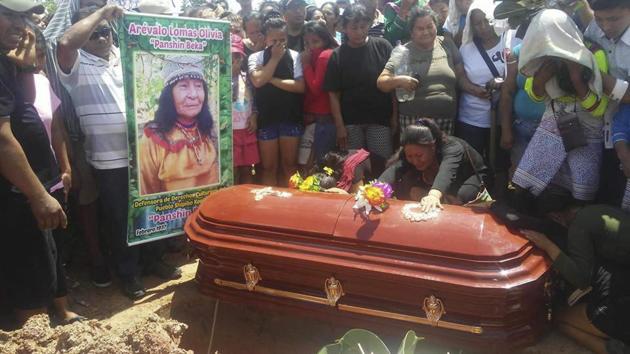
People mourn during the funeral of plant healer Olivia Arevalo in Peru. In another incident in 2015, a former Goldman Sachs analyst got hold of a knife during an ayahuasca ceremony at a retreat center and attacked a Canadian man who was with him. He was killed by the Canadian, who acted in self-defense. (La Gaceta Ucayalina via AP)
8/11
 View Photos in a new improved layout
Updated on Jun 8, 2018 10:01 AM
The trail of Western tourists seeking the medicine took off with the publication in 1963 of “The Yage Letters,” in which beatnik poet Allen Ginsberg described feeling like a “snake vomiting out the universe” after trying ayahuasca. More recently, it has won devotees among the rich and famous despite its reputation for an all-consuming high that for many people leads to violent vomiting and diarrhoea. (Martin Mejia / AP)
9/11
 View Photos in a new improved layout
Updated on Jun 8, 2018 10:01 AM
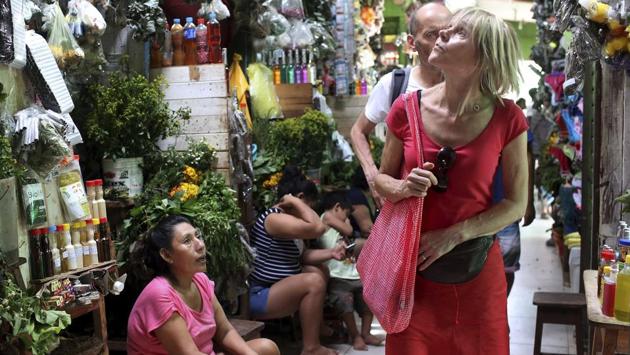
Charles Grob, a psychiatrist said most foreigners coming to Peru for ayahuasca were “seekers” looking for personal healing, not a psychedelic high. But with time, the influx of spiritual tourists is changing how the plant is used and perceived. While indigenous tribes have longed used the brew to ward off evil spells, its popularity in the West as a form of mental and physical healing has overtaken all other uses. (Martin Mejia / AP)
10/11
 View Photos in a new improved layout
Updated on Jun 8, 2018 10:01 AM
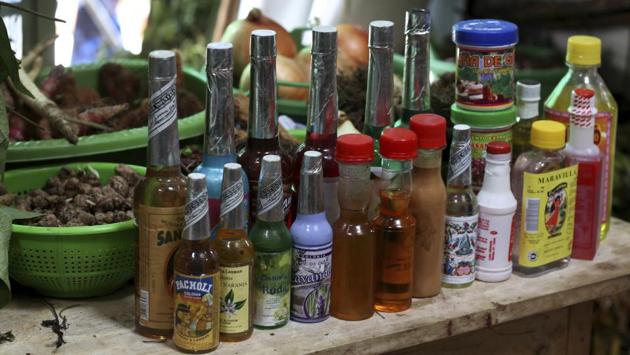
Supplies for ayahuasca and Santeria rituals are displayed for sale in a market. Anthropologists say the region’s history of violence and lawlessness could be replicating itself in the virtually unregulated ayahuasca industry. In backwater towns aggressive English-speaking touts offering ceremonies greet tourists literally as they step off the boat, while in indigenous markets a bottle of the powerful tea fetches as much as $100. (Martin Mejia / AP)
11/11
 View Photos in a new improved layout
Updated on Jun 8, 2018 10:01 AM


