
 E-Paper



Photos: Chinese farmers reap rich harvest through video-sharing apps
Once a modest beekeeper, Ma Gongzuo has been driving a BMW since he started selling his honey using a technique increasingly popular with Chinese farmers: video clips that show the origins of his product and open a window onto rural life. The videos let increasingly discerning Chinese consumers see how the honey is made and have helped farmers like Ma out of poverty, which the ruling Communist party hopes to eradicate by 2020.
Updated on: Jan 8, 2020 5:02 PM IST


Share via


Copy link

1/10
 View Photos in a new improved layout
Updated on Jan 8, 2020 5:02 PM
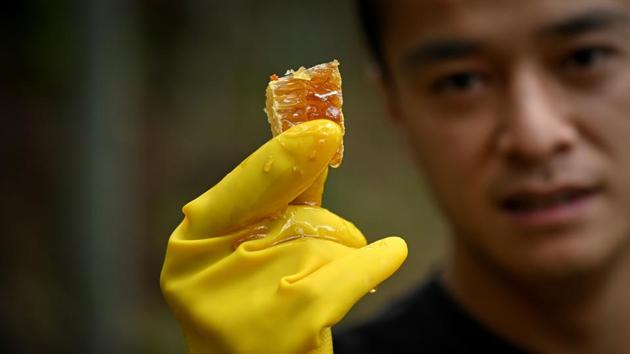
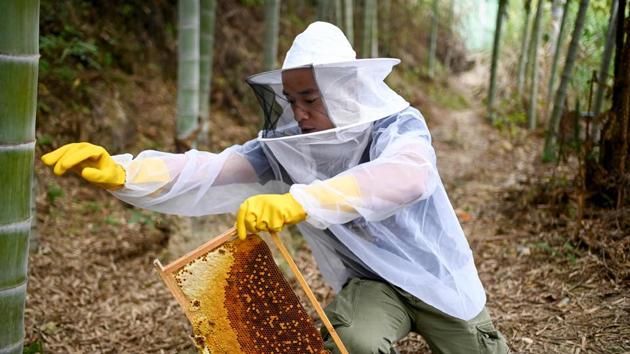
Farmer Ma Gongzuo holds up a piece of honeycomb at his apiary in China’s Zhejiang province. “Do you want a piece?” Ma said, looking into the camera of a friend’s smartphone before biting into the dripping comb of amber-coloured honey. (Wang Zhao/AFP)
2/10
 View Photos in a new improved layout
Updated on Jan 8, 2020 5:02 PM
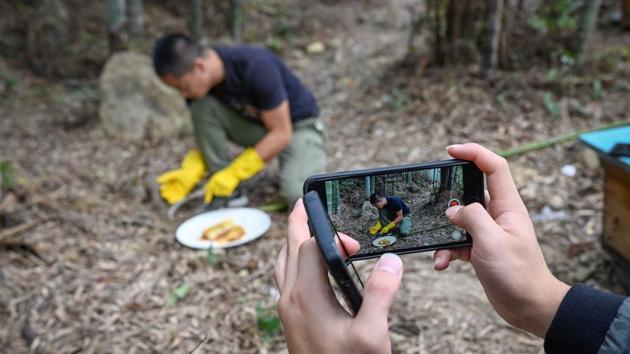
The clip went out to Ma’s 737,000 followers on Douyin, the Chinese version of video sharing app TikTok that has 400 million users in China and has turned Ma into something of a celebrity. Creating videos has become a popular sales tactic for Chinese farmers: the clips show increasingly discerning consumers the origins of the product and provide a window into rural life that captures audience imagination. (Wang Zhao/AFP)
3/10
 View Photos in a new improved layout
Updated on Jan 8, 2020 5:02 PM
Ma Gongzuo at his parents’s house. “Everyone said I was good for nothing when they saw I’d come back,” the 31 year-old recounted to AFP of his return to his village after a failed attempt at running an online clothing business. “They tell us that we can only get out of poverty if we study and get a job in a city,” he added. (Wang Zhao/AFP)
4/10
 View Photos in a new improved layout
Updated on Jan 8, 2020 5:02 PM
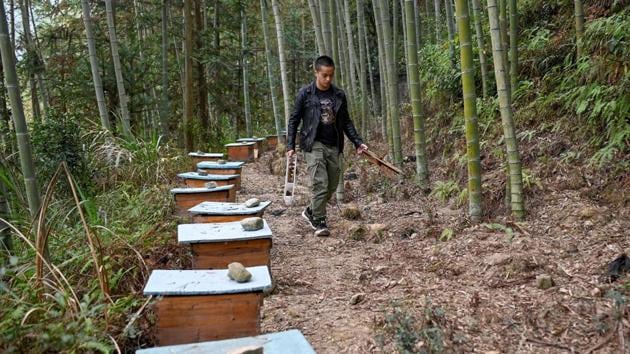
Ma Gongzuo cleans his apiary. In 2015, Ma took on the family honey producing business in the verdant hills of Zhejiang province, and thanks to e-commerce apps, managed to turn a yearly revenue of 1 million yuan (Rs 1.03 crore). But sales began to stagnate. So in November 2018, with help from his friends in the village, he began posting videos about his life on the farm. (Wang Zhao/AFP)
5/10
 View Photos in a new improved layout
Updated on Jan 8, 2020 5:02 PM
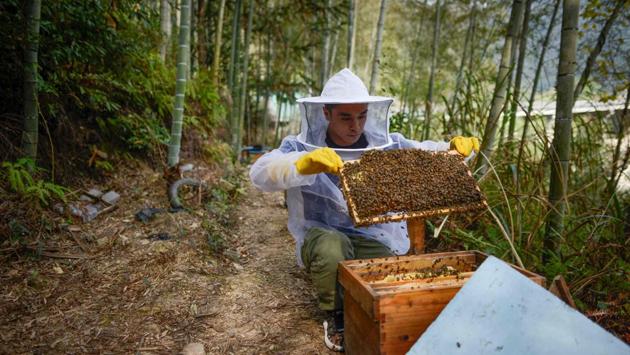
The clips showed Ma opening up a hive surrounded by a swarm of bees, swimming bare-chested in a river, and chopping wood. “I never advertise my products. I show my daily life, the landscapes of the countryside. That’s what interests people,” Ma said. “Of course people suspect that I’m selling honey. But they decide to get in touch with me to say they want to buy some.” (Wang Zhao/AFP)
6/10
 View Photos in a new improved layout
Updated on Jan 8, 2020 5:02 PM
Like most transactions in China, where hard cash is less and less popular, the orders are paid through apps like WeChat or AliPay. Ma said he now sells between 2 and 3 million yuan worth of honey each year, as well as dried sweet potato and brown sugar. “When I was young we were poor,” he recalled, adding: “At school I used to admire other kids who had pocket money, because I never had any.” (Wang Zhao/AFP)
7/10
 View Photos in a new improved layout
Updated on Jan 8, 2020 5:02 PM
Ma Gongzuo in his car en route to his apiary. He now drives a 4x4 BMW that cost around 760,000 yuan and has also invested in building a B&B. “Using Douyin, that was the turning point,” Ma said. “Today I can buy my family what they need. I help the other villagers to sell their products too. All of the local economy benefits,” he explained. (Wang Zhao/AFP)
8/10
 View Photos in a new improved layout
Updated on Jan 8, 2020 5:02 PM
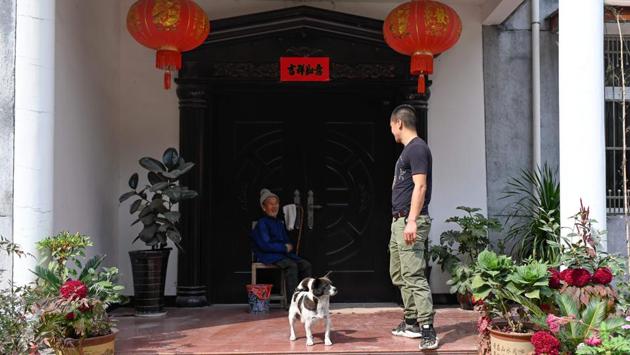
Ma Gongzuo (R) talks to his grandfather. China is home to the world’s largest market for live video broadcasting, according to audit firm Deloitte. Some 847 million access the internet via their smartphone in the country. “It’s progress,” Ma’s father Ma Jianchun said happily. “We old people are overwhelmed. With the money, we’ve been able to renovate our house,” he said to AFP. (Wang Zhao/AFP)
9/10
 View Photos in a new improved layout
Updated on Jan 8, 2020 5:02 PM
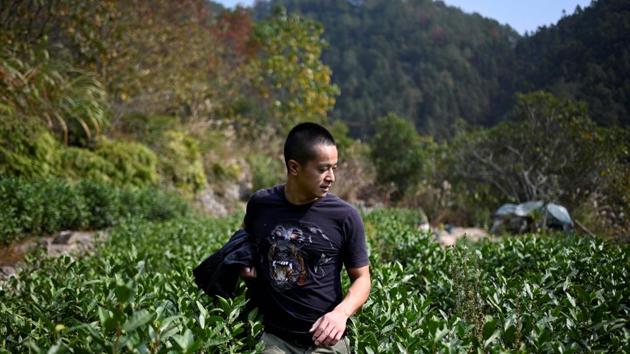
Ma Gongzuo checks his tea garden. Getting in on the trend, Douyin’s parent company ByteDance told AFP it has organised training for 26,000 farmers on how to master the art of making videos. Taobao, the most popular e-commerce app in the country and owned by tech giant Alibaba, launched a project in 2019 showing farmers how to become live-streaming hosts in a bid to help them earn more. (Wang Zhao/AFP)
10/10
 View Photos in a new improved layout
Updated on Jan 8, 2020 5:02 PM


