
 E-Paper



Photos: In virus-hit China, coat maker adapts to make hazmat suits
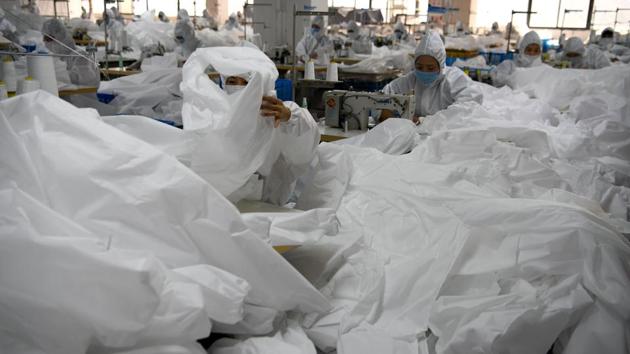
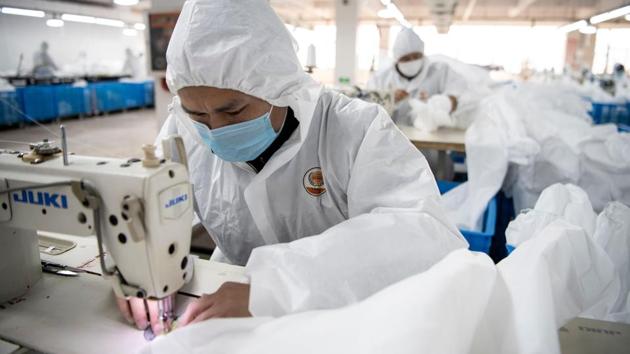
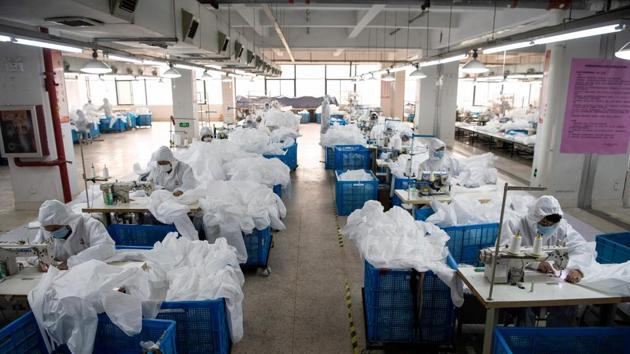
The coronavirus outbreak in China is preventing clothing manufacturer Ugly Duck Industry from resuming its normal production of winter coats, so it has pivoted to another in-demand product: hazmat suits. The company in the eastern China export hub of Wenzhou hastily repurposed its assembly line, putting the few dozen workers it could muster to produce thousands of single-use protective suits daily.
Updated on: Mar 2, 2020 7:39 PM IST


Share via


Copy link

1/7
 View Photos in a new improved layout
Updated on Mar 2, 2020 7:39 PM
Workers sew hazardous material suits to be used in the COVID-19 coronavirus outbreak at the Zhejiang Ugly Duck Industry garment factory in Wenzhou. The coronavirus outbreak in China is preventing clothing manufacturer Ugly Duck Industry from resuming its normal production of winter coats, so it has pivoted to another in-demand product: hazmat suits. (Noel Celis / AFP)
2/7
 View Photos in a new improved layout
Updated on Mar 2, 2020 7:39 PM
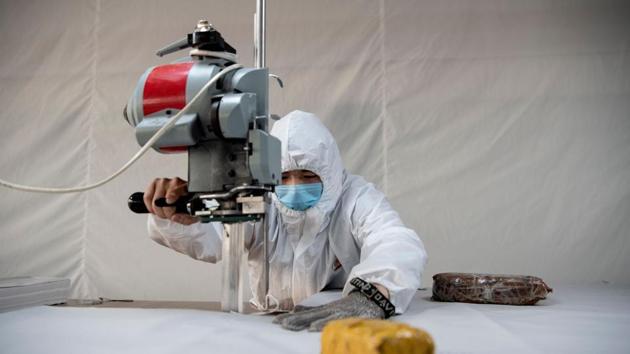
A worker cuts fabric for the production of hazardous material suits. The company in the eastern China export hub of Wenzhou hastily repurposed its assembly line, putting the few dozen workers it could muster to produce thousands of single-use protective suits daily. (Noel Celis / AFP)
3/7
 View Photos in a new improved layout
Updated on Mar 2, 2020 7:39 PM
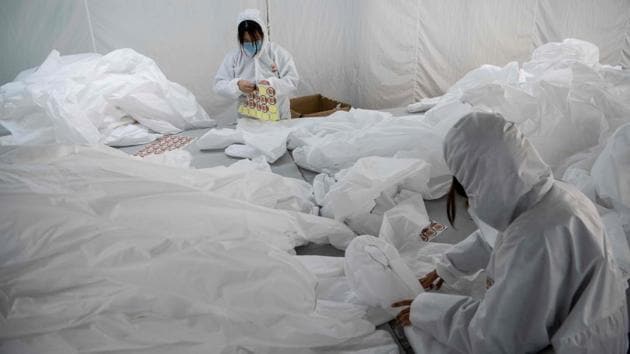
Ugly Duck—referring to the proverbial duckling that becomes a swan—is among countless Chinese manufacturers heeding calls to address desperate shortages of face masks, medical equipment, and other supplies to fight the new coronavirus. The contagion has killed more than 2,800 people and infected some 79,000 in China, sparking global fears and a run on supplies. (Noel Celis / AFP)
4/7
 View Photos in a new improved layout
Updated on Mar 2, 2020 7:39 PM
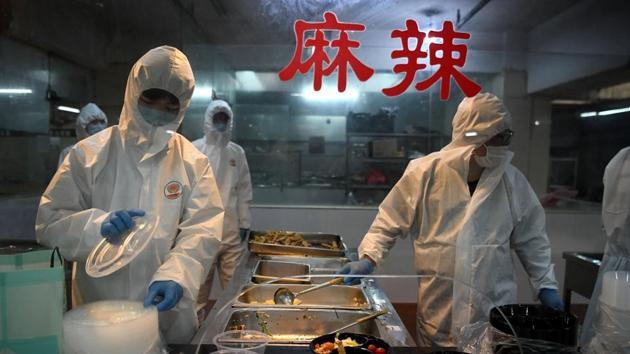
Cooks wearing hazardous material suits prepare lunch for workers at a garment factory. Wenzhou is one of the hardest-hit areas, with 504 cases and one death as of Friday, compared with 337 infections in far larger Shanghai. Along with other cities in Zhejiang province, Wenzhou adopted harsh restrictions on residents’ movements on February 2. Ugly Duck was asked by local authorities to do its part. (Noel Celis / AFP)
5/7
 View Photos in a new improved layout
Updated on Mar 2, 2020 7:39 PM
“As soon as we received this mission, we reorganised our production line within 60 hours,” company president Pan Yue told AFP. The suits are sold to the government at cost and intended for local epidemic-control efforts. But with the virus now hitting other countries, the company plans to continue hazmat suit production even after normal operations resume as expected in the coming weeks. (Noel Celis / AFP)
6/7
 View Photos in a new improved layout
Updated on Mar 2, 2020 7:39 PM
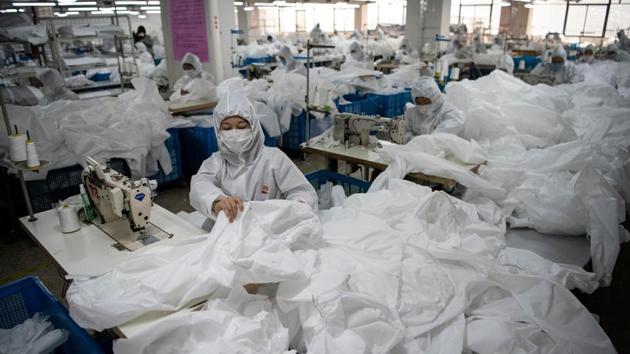
One workshop nearly the size of a football pitch, the bright-white polypropylene material is first cut into basic shapes, then stitched together in stages, and finally folded and packaged on an assembly line by workers who are also clad in the head-to-toe suits to prevent contamination. (Noel Celis / AFP)
7/7
 View Photos in a new improved layout
Updated on Mar 2, 2020 7:39 PM


