
 E-Paper



Photos: Thai doctors raise awareness against cancer causing fish delicacy
'Koi Pla' a Thai dish made from raw fish, herbs and lime juice is a favorite among the locals because it is quick and tasty. However it is also the cause of liver cancer, killing 20.000 Thai people annually.
Updated on: Jun 30, 2017 3:47 PM IST

Share via


Copy link

1/7
 View Photos in a new improved layout
Updated on Jun 30, 2017 3:47 PM
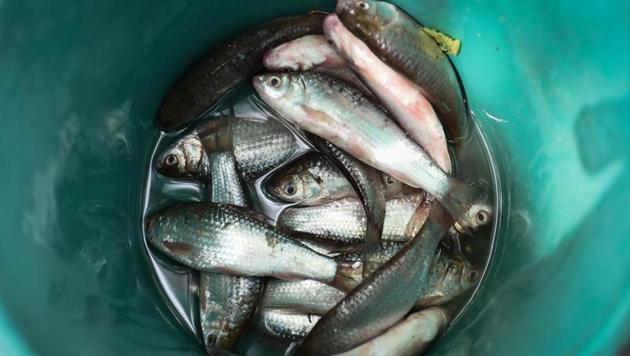
Farmers fish in a lake in the northeastern Thai province of Khon Kaen. Millions of Thai people across the rural northeast regularly eat ‘Koi pla’ - a local delicacy made from raw fish ground with spices and lime. The pungent meal is quick, cheap and tasty but also a favourite among parasites that cause a lethal liver cancer killing up to 20,000 Thai people annually. (Lillian Suwanrumpha/AFP)
2/7
 View Photos in a new improved layout
Updated on Jun 30, 2017 3:47 PM
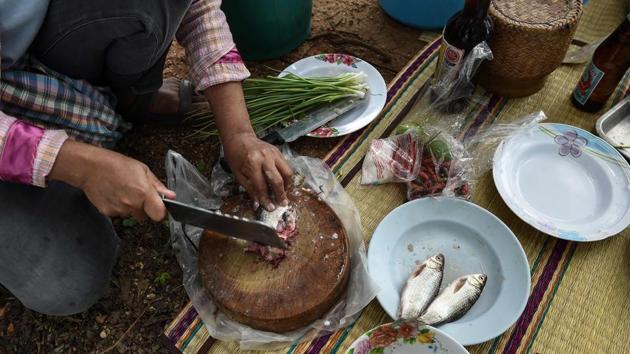
Made from raw fish, live red ants, herbs and lime juice, Koi pla is eaten soon after it is prepared. (Lillian Suwanrumpha/AFP)
3/7
 View Photos in a new improved layout
Updated on Jun 30, 2017 3:47 PM
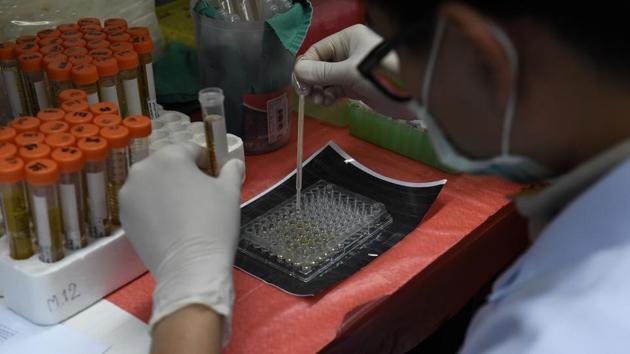
A lab technician sorts urine samples for testing for flatworms at Khon Kaen University. The initiative called CASCAP (Cholangiocarcinoma Screening and Care Program) started as research at Khon Kaen university but received full government backing last year putting it on Thailand’s national agenda. (Lillian Suwanrumpha/AFP)
4/7
 View Photos in a new improved layout
Updated on Jun 30, 2017 3:47 PM
A man undergoes an ultrasound during a CASCAP event in the Thai province of Kalasin. One of the major causes of the Cholangiocarcinoma (CCA) a bile duct cancer, is a parasitic flatworm or fluke native to the Mekong region and found in many freshwater fish. (Lillian Suwanrumpha/AFP)
5/7
 View Photos in a new improved layout
Updated on Jun 30, 2017 3:47 PM
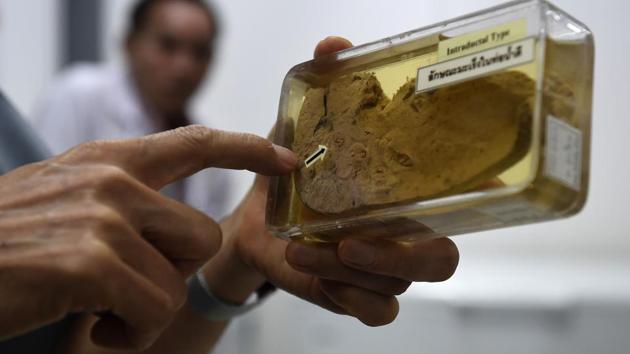
Seen above, a cancerous liver due to liver fluke at Khon Kaen University. According to WHO, once eaten the worms can remain undetected in the bile ducts for years causing inflammation that can over time trigger the aggressive cancer. (Lillian Suwanrumpha/AFP)
6/7
 View Photos in a new improved layout
Updated on Jun 30, 2017 3:47 PM
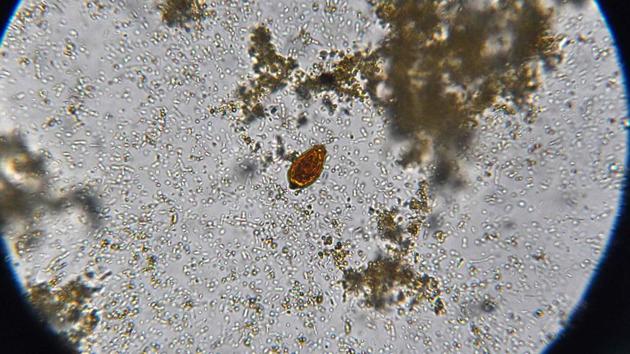
A microscopic image of flatworm egg at the University. Since changing eating habits is no easy task in a region where generations have followed this tradition, doctors are educating the younger generation with new school curriculum that uses cartoons against the use of raw fish. (Lillian Suwanrumpha/AFP)
7/7
 View Photos in a new improved layout
Updated on Jun 30, 2017 3:47 PM


