
 E-Paper



Photos: The waves take migrants and bring back bodies in Tunisia
The Mediterranean has been robbing Tunisia of its young, who abandon their homeland in hopes of a better life in Europe. The sea often swallows migrant rafts whole, and their passengers disappear without a trace. Often the tides of the Mediterranean bring ashore instead the bodies and belongings of others who attempted a similar migration — those from distant countries who hoped that the beaches of North Africa would be their last stop before Europe. An Associated Press tally has documented at least 56,800 migrants dead or missing worldwide since 2014 — almost double the number found by the UN’s International Organization for Migration.
Updated on: Nov 02, 2018 10:20 AM IST

Share via


Copy link

1/10
 View Photos in a new improved layout
Updated on Nov 02, 2018 10:20 AM
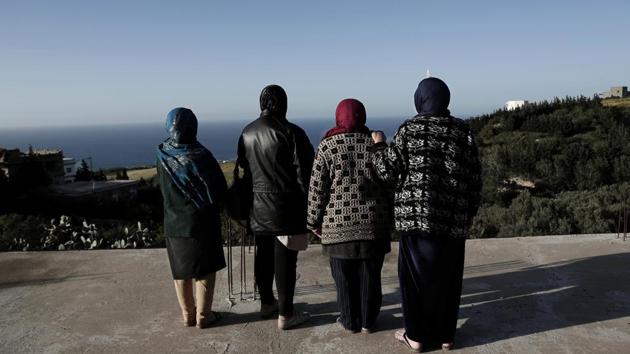
Women whose sons went missing look at the shoreline in the town of Ras Jabal, Bizerte, Tunisia. The boys grew up within sight of the sea that took them away, rambling along paths and climbing rocks that would later be the launching pad for their flimsy rafts. (Nariman El-Mofty / AP)
2/10
 View Photos in a new improved layout
Updated on Nov 02, 2018 10:20 AM
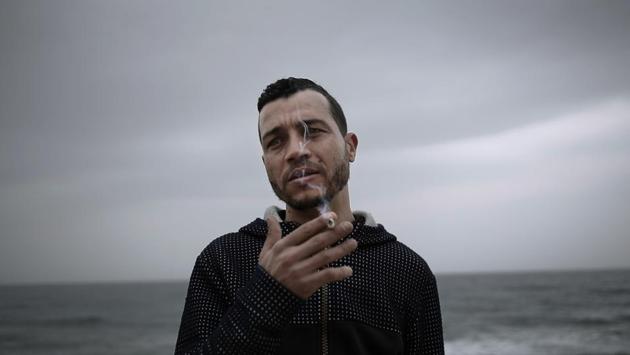
32-year old Ahmed Ayouby, who wants to leave Tunisia, smokes a cigarette at the beach where migrants leave for Italy. The Mediterranean has been robbing Tunisia of its young, who abandon their homeland in hopes of a better life in Europe. At the closest points, Ras Jebel in the north and the Kerkennah Islands in the east, it’s a half-day sail if all goes well. (Nariman El-Mofty / AP)
3/10
 View Photos in a new improved layout
Updated on Nov 02, 2018 10:20 AM
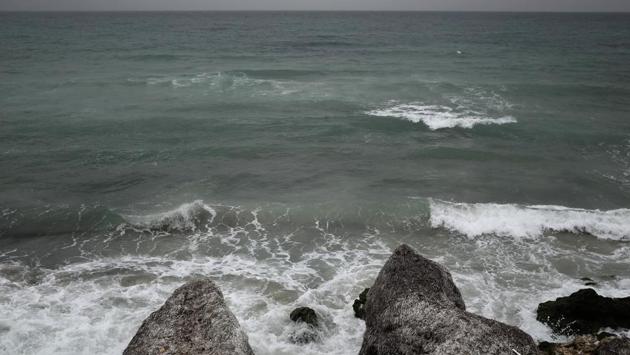
The sea often swallows the rafts whole, and their passengers disappear without a trace. Often the tides of the Mediterranean bring ashore the bodies and belongings of those who attempted a migration — those from distant countries who hoped that the beaches of North Africa would be their last stop before Europe. (Nariman El-Mofty / AP)
4/10
 View Photos in a new improved layout
Updated on Nov 02, 2018 10:20 AM
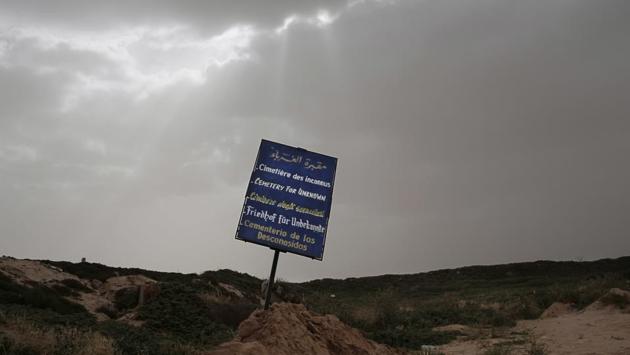
The ‘Cemetery of the Unknown’ where migrants who were found dead on nearby shores are buried, in at the southern port town of Zarzis, Tunisia. The bodies are retrieved by retired fisherman Chamsedding Marzouk, who has made it his life's work to provide a proper burial to the foreigners even though they die without a name. (Nariman El-Mofty / AP)
5/10
 View Photos in a new improved layout
Updated on Nov 02, 2018 10:20 AM
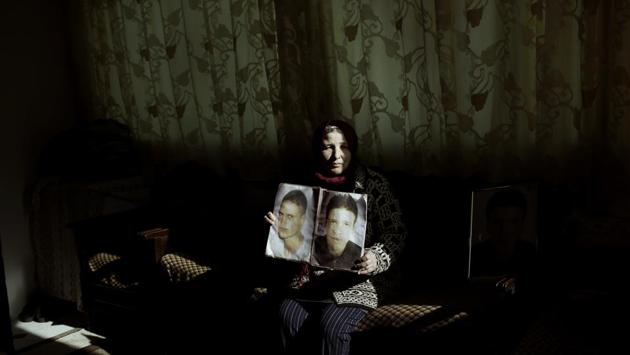
Fathia Jejli holds a photo of her son, Hossam Edin Jejli (R), and her nephew, Hamed Ben Brayek, who went missing in 2011, at her home in the town of Ras Jabal. As global migration soars to record highs, far less visible has been its toll: The tens of thousands of people who die or simply disappear during their journeys, never to be seen again. (Nariman El-Mofty / AP)
6/10
 View Photos in a new improved layout
Updated on Nov 02, 2018 10:20 AM
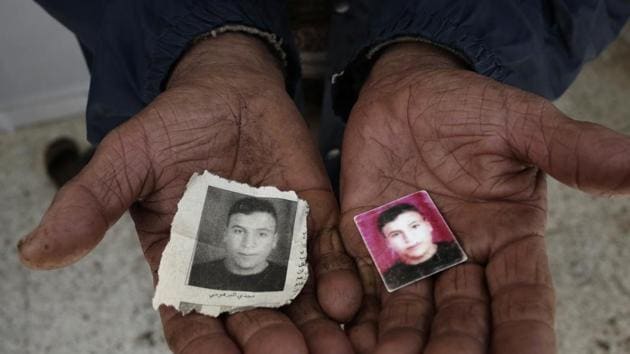
Photos of Majdi Al Barhoumi, who went missing in 2011, held out by his father in Ras Jabal. Migrants who go missing are a daily reproach to political failure, so there is rarely an official count of the departed, the dead or the disappeared. (Nariman El-Mofty / AP)
7/10
 View Photos in a new improved layout
Updated on Nov 02, 2018 10:20 AM
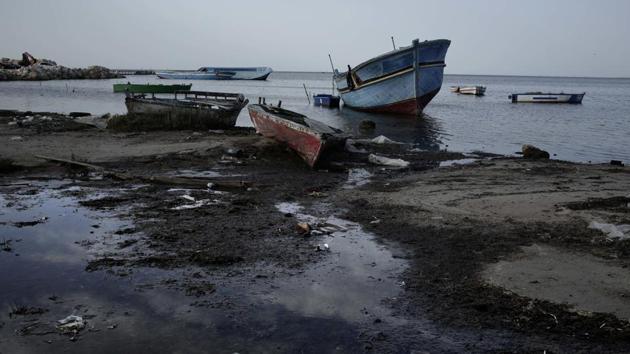
Wrecked boats that have carried migrants at the coastal city Monastir, Tunisia. An Associated Press tally has documented at least 56,800 migrants dead or missing worldwide since 2014 — almost double the number found in the world’s only official attempt to count them, by the UN’s International Organization for Migration. (Nariman El-Mofty / AP)
8/10
 View Photos in a new improved layout
Updated on Nov 02, 2018 10:20 AM
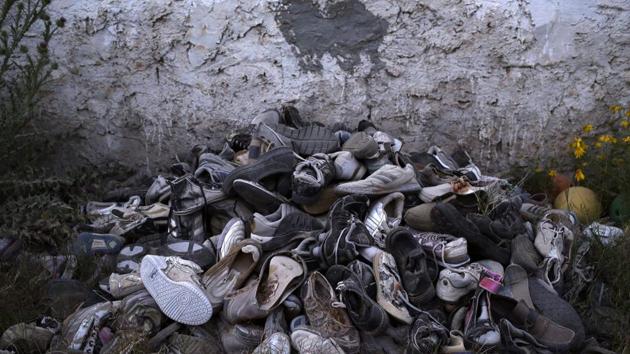
Migrants’ shoes which were retrieved by artist Mohsen Lahzib in Zarzis, Tunisia. The belongings are painstakingly gathered to create beauty out of sorrow — a torn pink bra, a child’s worn jacket, a pack of cigarettes. (Nariman El-Mofty / AP)
9/10
 View Photos in a new improved layout
Updated on Nov 02, 2018 10:20 AM
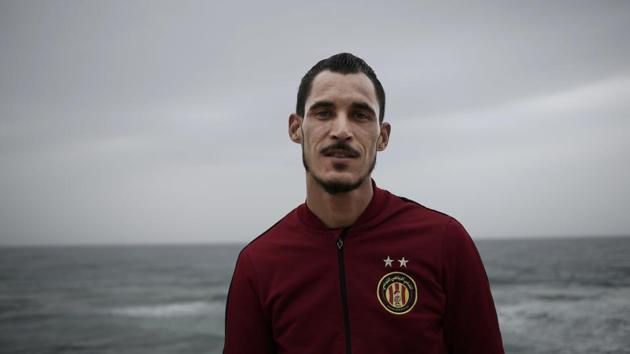
Khaled Arfaoui, 25, who wants to leave Tunisia, poses for photo at the beach. He says, “If I get the chance, I’ll do it. Even if I fear the sea and I know I might die, I’ll do it.” (Nariman El-Mofty / AP)
10/10
 View Photos in a new improved layout
Updated on Nov 02, 2018 10:20 AM


