
 E-Paper



Responsible tourism should be encouraged, says Kharmale
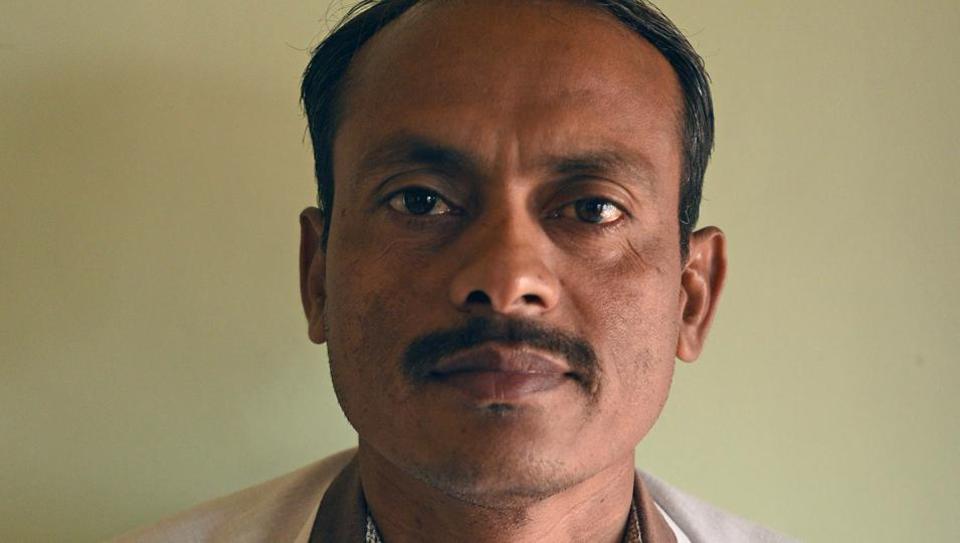
Ramesh Ganpat Kharmale, 42, a retired Army jawan started his own academy to coach tribal children for police and administrative exams. At the same time, he was contemplating about promoting his taluka as a tourist destination, and for this, he visited various places personally.


Ramesh Ganpat Kharmale, 42, a retired Army jawan, devoted his time and efforts for the promotion of Junnar taluka as a tourist destination and his years of hard work has finally paid off with the Maharashtra government granting a ‘tourist destination’ status to this taluka.
A soldier with the Maratha Light Infantry and numerous postings, Kharmale felt proud of belonging to Chhatrapati Shivaji’s birthplace. However, he was also surprised and saddened that even Maharashtrians knew very little about the fascinating history of Junnar.
Kharmale retired in 2012 and after working as a bank peon briefly, he started his own academy to coach tribal children for police and administrative exams. At the same time, he was contemplating about promoting his taluka as a tourist destination, and for this, he visited various places personally.
His public outreach skills, participation in rescue operations and social work earned him several awards and honours, including ‘Shivenri Bhushan award’ from chief minister (CM) Devendra Fadnavis recently.
He actively promoted Junnar taluka on social media with photos and maps. His home page ‘Nisargaramya Junnar Taluka’ on Facebook received a huge response of over 50,000 followers.
Kharmale feels that this page helped in creating awareness about the taluka and eventually put pressure on politicians to push for the tourism status. Based on Kharmale’s writings, Sharad Sonawne, member of Legislative Assembly (MLA) from Junnar wrote to the CM with his recommendation.
“This is a half-done job. Now, the real work will begin. To develop the taluka as tourist destination, we need a good road network and we need to provide guides and facilities for tourists at several places,” he says.
At the same time, he adds, the biodiversity of Junnar needs to be protected and irresponsible tourists should be dealt with firmly. Unchecked drinking, littering and vandalism should be prevented and the local youth should be trained to work constructively in the tourism industry, he says, presenting his vision for Junnar. He is presently employed as a forest guard.
Development Plan for Junnar proposed by villagers:
* A good road network connecting all 60 temples, caves and forts in the area
* Ropeway from Shivneri fort to Lenyadri caves
* Helicopter facility for tourist to provide a bird’s eye-view of the places
* Well-equipped and well-trained rescue team
* Tourist guidance centres at prominent places
* Information boards at every tourist spot
* Training centre and courses in tourism for local youths
* Good restrooms and effective sanitization project
* Efficient garbage management system
* Modern medical facilities to deal with emergencies
Promotional activities wish list: A Shivaji Museum at the base of Shivneri; an auditorium for lectures and workshops on history; revival of the ancient Darya ghat trading route; launching of a Leopard safari project near Ambegavan; boating and water sports.


