E-Paper



Bengaluru real estate: Can landlords legally increase rent by 15%? Rules tenants should know
A Bengaluru has tenant flagged a 15% rent hike by his landlord at lease renewal on Reddit. Experts say landlords can reset rents at renewal, with no legal cap

 Prefer HTon Google


In Bengaluru, a tenant’s claim that his landlord plans to raise rent by 15% at the time of lease renewal has sparked a wider debate on rental norms and legality in the tech hub. The issue, highlighted on Reddit, reflects growing anxiety among renters as landlords push for steeper hikes amid strong demand and tight housing supply. But are there any rules that limit how much rent can be increased? Here’s what tenants need to know.
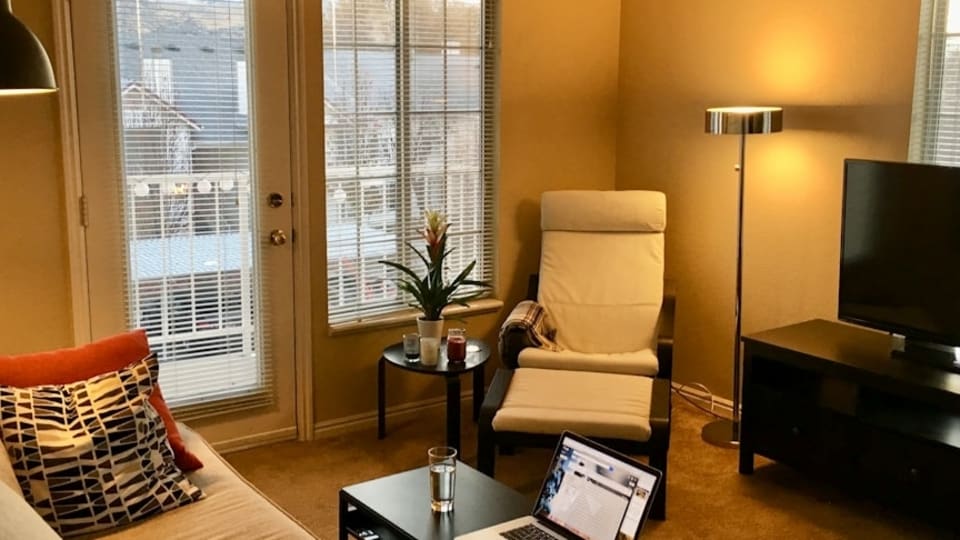
The tenant, whose lease is up for renewal, said the proposed hike felt excessive compared to the commonly assumed 5–10% annual increase. “My rental agreement in Bengaluru is up for renewal, and my landlord is asking for a 15% rent increase. I was under the impression that typical rent hikes are around 5–10% annually, so this feels a bit high. I’m not sure what the legal standpoint is here or if any rules limit how much rent can be increased,” he wrote.
No legal cap, market dynamics drive rents, say Redditors
Redditors said that there is no statutory cap on rent increases for fresh lease agreements. “Anywhere, any amount of hike is allowed by the owner for a fresh lease,” one user noted, adding that landlords often benchmark rents against prevailing market offers.
‘Most probably, the landlord has an over 10% rental offer coming in. Sometimes, landlords over-hike the rent amount to push existing tenants to not renew the lease if they are not happy with the tenant. If shifting out and finding a better deal is a hassle/ more expensive, existing tenants try negotiating the hike and continue staying there,” he wrote.
Another Redditor said that, “Landlord is NOT legally obligated to continue with the same tenant after the lease expires, and there is NO strict legal cap on rent increase in India. As a tenant, be ready to move.”
Redditors said rent increases in residential properties are typically more moderate than in commercial spaces. They noted that in a strong market, a 2BHK rental of ₹30,000 could rise to around ₹40,000, while nearby retail spaces could jump from ₹30,000 to ₹50,000 or more. Users advised tenants to check with local brokers to understand prevailing rates before making a decision.
Legal experts weigh in
Legal experts said that in cities like Bengaluru, rental agreements are governed by contract law rather than a uniform rent control mechanism for new leases. This means that once a lease term ends, landlords are free to revise rents based on market conditions or choose a different tenant altogether, unless the agreement specifies renewal terms, they said.
“In most cases, residential rental agreements in cities like Bengaluru are structured for 11 months, where a 5–7% annual increase is generally seen as the norm. However, there is no legal rule or statutory cap that restricts how much the rent can be increased at the time of renewal,” said Akash Bantia, an advocate.
He explained that an 11-month agreement is technically treated as a new contract upon expiry, rather than a continuation, giving landlords the flexibility to reset rents based on prevailing market conditions. “Since it is not a renewal in the strict legal sense, but a new agreement, there is no cap on the increase. In contrast, for longer-term leases, say, three years, there is typically an in-built escalation clause that clearly specifies the year-on-year percentage increase. Those agreements offer more predictability, whereas short-term contracts leave rent revisions open-ended,” he said.
(Disclaimer: This report is based on user-generated content from social media. HT.com has not independently verified the claims and does not endorse them.)