E-Paper



Bengaluru real estate: This is what homeowners who do not have a manual ‘khata’ should do to generate one online
The Bruhat Bengaluru Mahanagara Palike (BBMP) has now introduced a system for issuing e-khatas to bring five lakh properties into the tax bracket

 Prefer HTon Google


To streamline the property registration process for almost five lakh units, the Bruhat Bengaluru Mahanagara Palike (BBMP) has introduced an online e-khata system. This means that property owners without a ‘khata’ can now generate one online by accessing the official portal and without visiting the municipal corporation office premises.
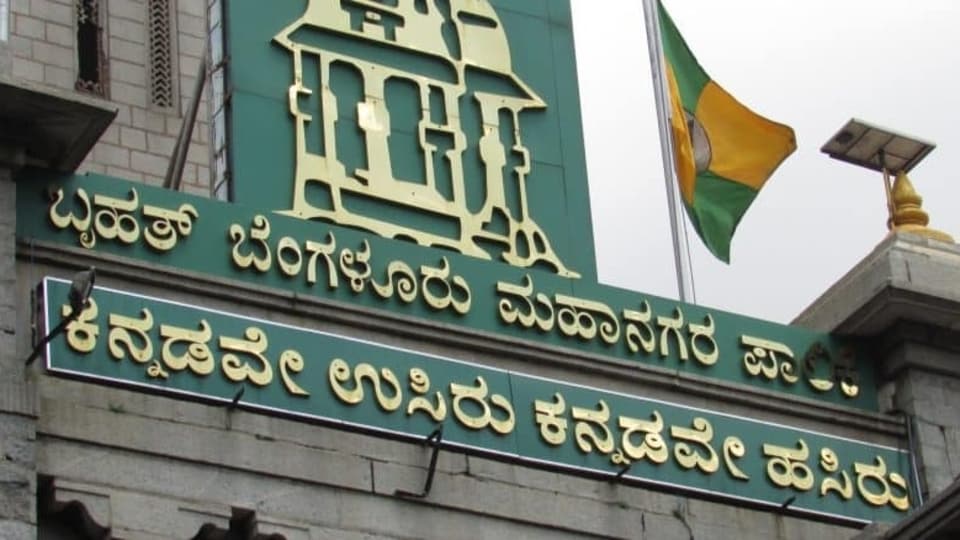
The online facility addresses longstanding concerns over alleged harassment and delays often reported at BBMP offices. By eliminating the need for physical visits, the BBMP hopes to encourage more property owners to complete their khata registration and contribute to the city’s property tax revenues.
Applicants need only upload key documents such as their Aadhaar number, sale or registered deed number, property photograph, and an Encumbrance Certificate covering the period from the property’s registration date to October 31, 2024. To assist users, the BBMP has released a step-by-step training video on YouTube demonstrating the application process.
Also Read: Bengaluru's property registrations dip 21% amid E-khata implementation woes
On January 16, Bengaluru Deputy Chief Minister DK Shivakaumar tweeted, "Pleased to announce a hassle-free e-khata system for property owners who currently do not possess a manual khata. This initiative will benefit over 5 lakh property owners by eliminating the need to visit BBMP offices, making the process simpler, faster, and more transparent."
A 'khata' is a document that certifies that the property owner has duly paid relevant property taxes to the BBMP and is in possession of legal property.
"Most properties that do not have a 'khata' often deviate from the BBMP bylaws or have been constructed illegally. Thus, the local municipal does not have such properties registered with them," Dhananjaya Padmanabhachar, director at Karnataka Homebuyers' Forum, said.
According to a BBMP survey in 2022, about 2 lakh buildings in the tech capital deviated from sanctioned plans. In 2021, another study revealed that more than 85 per cent of new buildings constructed in 2020 and 2021 had violated building bylaws.
Also Read: Five things you need to know about the Karnataka government's e-khata mandate
In another survey last year, BBMP identified about 200 unauthorised buildings in the city. According to Chief Commissioner Tushar Giri Nath, in November 2024, the BBMP's Revenue Department created an app to carry out the survey, which aids in identifying such deviations.
According to media reports, just months into the new system, complaints have emerged about incomplete and inaccurate e-khata records, causing significant delays and reportedly leading to a 60 per cent drop in registrations.
What should owners without a ‘khata’ do?
BBMP has said that property owners who still do not have a ‘khata’ can apply online on their portal at (https://BBMP.karnataka.gov.in/NewKhata)
After registration, the owners need to submit their aadhaar number, sale or registration deed number, a property photo and the Encumbrance Certificate covering the period from the property’s registration/sale date to October 31, 2024
However, BBMP has clarified that the process is only applicable to property owners without a ‘khata’.