E-Paper



Millennials drive 30% YoY jump in interior spending in Bengaluru, Mumbai, and Pune
Rising incomes, women-led design choices, and smaller home sizes are fueling a surge in spending on functional interiors, NoBroker data shows

 Prefer HTon Google


Millennial homebuyers in Bengaluru, Mumbai, and Pune are driving a 30% YoY surge in interior spending, fueled by rising incomes, women leading design and budget decisions, and furnishing costs that have nearly doubled over the past five years, according to NoBroker data. Bengaluru saw the sharpest increase, with spending on 2BHK and 3BHK interiors rising 25% YoY in June 2025. Pune recorded the highest jump in 3BHK spends at 30%, while Mumbai saw a 15% rise in 1BHK interiors compared to last year.
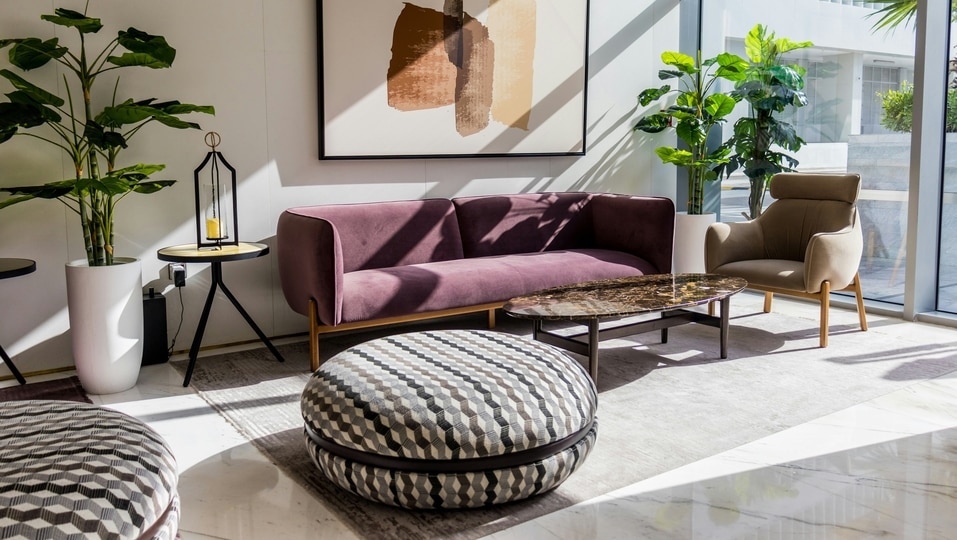
Experts attribute the trend to shrinking carpet areas in new launches, making functionality a top priority for homeowners. “People are spending more on maximizing the utility of smaller spaces rather than on furniture meant to last a lifetime,” they note.
Also Read: Bengaluru real estate: Millennials fuel demand for ₹1–2 crore homes in the tech capital
Mumbai records maximum spend on interiors for 1BHKs
In Mumbai, costs for doing up a 1BHK in between April-June 2025 are up by 15% YoY, while 2BHK and 3BHK spends rose by 10% and 9% YoY, respectively. Bengaluru recorded the steepest jump for larger homes, with spending on both 2BHK and 3BHK interiors rising by 25% in the same period, while 1BHK interiors went up by 12%. Pune too saw a strong rise, with 1BHK spending increasing by 6%, 2BHK by 15%, and 3BHK by as much as 30% year-on-year.
The current average spend on interiors for a 1BHK in Mumbai between April-June 2025 stands at ₹6.3 lakh, compared to ₹8.9 lakh for a 2BHK and ₹13.4 lakh for a 3BHK a year ago. In Bengaluru, spending is slightly lower, with ₹4.2 lakh for a 1BHK, ₹7.6 lakh for a 2BHK, and ₹10.5 lakh for a 3BHK. Pune falls in between, with 1BHK spending averaging ₹4.8 lakh, 2BHK at ₹7.2 lakh, and 3BHK at ₹11 lakh, the data showed.
The sharpest annual increase was seen in Bengaluru, where spending on 2BHK and 3BHK interiors rose by 25% YoY each in June 2025. Pune recorded the highest jump in 3BHK spends at 30%, while Mumbai saw a 15% rise in 1BHK interiors compared to last year. Experts say this surge is being driven by shrinking carpet areas in new launches, which has made functionality a priority for homeowners.
“People are spending more on maximizing the utility of smaller spaces rather than on furniture that lasts a lifetime. Social media and e-commerce have also expanded awareness of design choices, while organized players in interiors have made quality services more accessible,” said Amit Agarwal, CEO and co-founder of NoBroker, told HT.com.
Organized interior players in India include firms like Livspace, HomeLane, Design Café, Pepperfry, and NoBroker Interiors, which offer end-to-end, tech-driven design solutions
Shrinking homes, bigger interior budgets
NoBroker said that as carpet areas in new housing projects shrink, homeowners are choosing to spend more on interiors that maximize functionality and efficiency. Instead of investing in heavy furniture that lasts a lifetime, buyers are prioritising modular, flexible designs where one room can serve multiple purposes, almost like a “flexi home.”
Agarwal said that shift is also being driven by rising awareness through e-commerce and social media, which showcase premium finishes and smart design solutions. “The growth of organised interior players has further simplified access to quality services, reducing the hassles of dealing with multiple vendors. With home prices soaring while interior costs remain relatively steady, many see interiors as a smaller yet impactful investment to upgrade their lifestyle, even if it means saving less and spending more today.”
Also Read: Bengaluru real estate: Techies in IT capital are gradually migrating to Mysuru. Here’s why
Why are millennials driving the home interior spend surge?
NoBroker said that more than half of the heavy spenders on interiors today fall are Millennials in the age group of 30–40 range, and the reasons are both financial and lifestyle-driven. This demographic enjoys higher disposable incomes, with rising salaries, while many still have relatively low family expenses, with no children or only 1-2 young children.
“That financial flexibility allows them to invest more in comfort, functionality, and aesthetics for their homes. The shift toward nuclear families has also played a role, leaving more room in household budgets for interiors. Beyond practicality, millennials are motivated by the desire to make their homes stand out—spaces that reflect their personality and lifestyle rather than simply serve as living quarters. Unlike older generations who prioritised durability and core materials, millennials seek modern finishes, flexible layouts, and stylish yet functional designs,” Agarwal said.
In comparison, millennial families with larger homes and young children often spend higher absolute amounts, but they tend to balance costs by opting for more affordable, practical finishes rather than luxury interiors.
Cost of home furnishings has almost doubled in the last 5 years
For a typical middle-class homebuyer, the cost of doing interiors has nearly doubled in the last five years.
According to NoBroker data, earlier, a 1BHK could be furnished for ₹2–4 lakh, but today the spend ranges between ₹3–6 lakh. Similarly, interiors for a 2BHK that once cost ₹3–8 lakh now fall in the ₹5–12 lakh range. For larger homes, a 3BHK that used to require ₹4–10 lakh now typically costs anywhere between ₹6–15 lakh, according to NoBroker data.