E-Paper



Asteroid Day: History of Tunguska asteroid event and all you need to know
Asteroids are "rocky remnants left over from the early formation of our Solar System about 4.6 billion years ago."

 Prefer HTon Google


The international asteroid day is globally observed every year on June 30 to mark the anniversary of the Earth's largest asteroid impact in recorded history – Tunguska impact over Siberia, Russian Federation, on this day in 1908. Recognised by the United Nations, the day is meant to increase public awareness regarding the potential dangers posed by asteroid impacts and the crisis communication actions to be taken to address any threats from near-Earth objects.
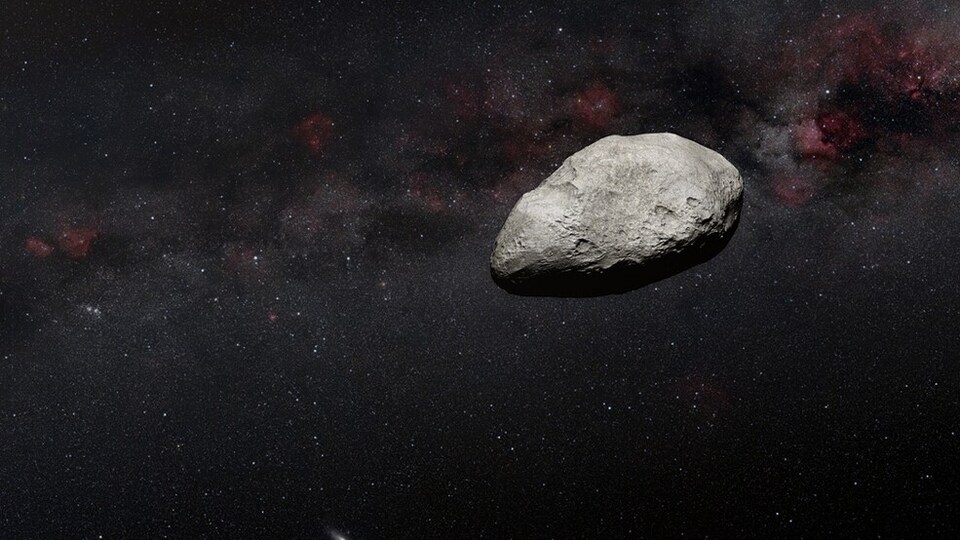
NASA explains that asteroids are "rocky remnants left over from the early formation of our Solar System about 4.6 billion years ago."
'Tunguska asteroid event'
The 1908 event in Siberia remains the largest recorded asteroid impact in Earth's history. According to NASA’s Centre for Near-Earth objects Studies, so far more than 16,000 Near Earth Asteroids have been discovered.
Also Read: Life on Earth seeded from outer space? New study on asteroids suggests ‘strong evidence’
Another prominent asteroid event was when in February 15, 2013, a large fireball entered the Earth's atmosphere over Chelyabinsk, Russia. Moving at a speed of 18.6 kilometres per second, the fireball disintegrated in the skies. The event was an extraordinarily large fireball and the most energetic impact event recorded since the 1908 Tunguska impact.
The resolution to observe asteroid day was adopted by the UN in 2016. The decision was taken after a proposal was made by Association of Space Explorers – an organisation comprising of people who have completed at least one Earth orbit in space. It group was endorsed by Committee on the Peaceful Uses of Outer Space (COPUOS).
‘NEO impact hazard a global issue’
As the need for creating a robust global response plan to address the dangers posed by Near-Earth Objects (NEOs), the International Asteroid Warning Network (IAWN) and the Space Mission Planning Advisory Group (SMPAG) were established in 2014. The IAWN focuses on developing communication plans and protocols to aid governments in assessing the potential impacts of asteroid collisions and supporting mitigation measures; SMPAG is an inter-space agency forum that identifies technologies needed to deflect NEOs, the UN said.