
 E-Paper



Neymar trolls ‘perfect’ predictor after Brazil survive Japan scare: ‘Try again at the next World Cup’
Neymar took to social media to jest at economist Joachim Klement's prediction that Japan would upset Brazil.

 Prefer HTon Google


Neymar Jr did not need a minute on the pitch to make his presence felt after Brazil survived a major scare against Japan in the FIFA World Cup 2026 Round of 32. Soon after Brazil sealed a dramatic 2-1 comeback win, the Selecao superstar took to social media to fire a cheeky response at German economist Joachim Klement, whose prediction model had tipped Japan to knock Brazil out of the tournament.
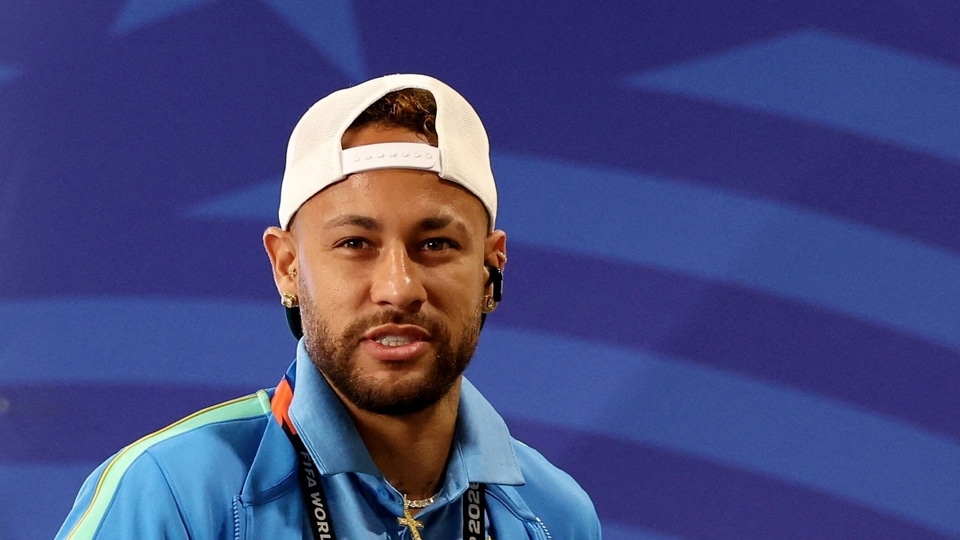
Neymar wrote on X, “Sr. Joachim klement … favor tentar na próxima copa,” roughly translating to, “Mr Joachim Klement… please try again at the next World Cup.” The wink emoji at the end gave the post a playful but pointed tone, with Brazilian fans quickly turning it into a viral celebration of both the win and the failed prediction.
Brazil ruin bold Japan upset call
Klement’s prediction had gained attention before the knockout fixture because of his reputation. The German economist’s model had reportedly predicted the last three World Cup winners correctly - Germany in 2014, France in 2018 and Argentina in 2022. For the 2026 edition, his model had backed the Netherlands to go all the way and beat Portugal in the final.
But one of the boldest calls in his projected bracket was Japan eliminating Brazil in the Round of 32. The model had identified the fixture as a possible major upset, with Japan’s organisation and tactical discipline seen as enough to trouble the five-time world champions.
For a while in Houston, the prediction looked far from foolish. Japan took the lead in the 29th minute through Kaishu Sano after capitalising on a defensive error from Danilo. Hajime Moriyasu’s side stayed compact, aggressive and composed through the first half, frustrating Brazil and going into the break with a shock 1-0 advantage.
Brazil, however, responded after half-time. Carlo Ancelotti’s side increased the pressure and found the equaliser in the 56th minute when Casemiro headed in from a Gabriel Magalhaes cross. The goal changed the rhythm of the contest, though Japan continued to resist deep into the second half.
The decisive moment arrived in stoppage time. Bruno Guimaraes released Gabriel Martinelli, and the Arsenal forward produced the finish that sent Brazil into the Round of 16 and ended Japan’s dream of a first-ever World Cup knockout-stage win. The late strike also spared Brazil the risk of extra time in a match that had tested their patience, depth and nerve.
Interestingly, Neymar remained unused throughout the game. Ancelotti later indicated that the forward was being saved for extra time had the match gone beyond 90 minutes. Brazil’s late winner meant that the plan was never needed, but Neymar still found a way to become part of the post-match story.
Brazil will now face either Norway or the Ivory Coast in the Round of 16 on July 5. For Klement’s model, the tournament continues, with two of its biggest predictions failing. But for Neymar and Brazil, one of their most talked-about upset calls has already been buried.


