
 E-Paper



Bill Gates issue big warning: AI will have impacts on your...
Gates likened AI’s rise to the dawn of the Internet, saying its influence “is hard to overstate.”

 Prefer HTon Google


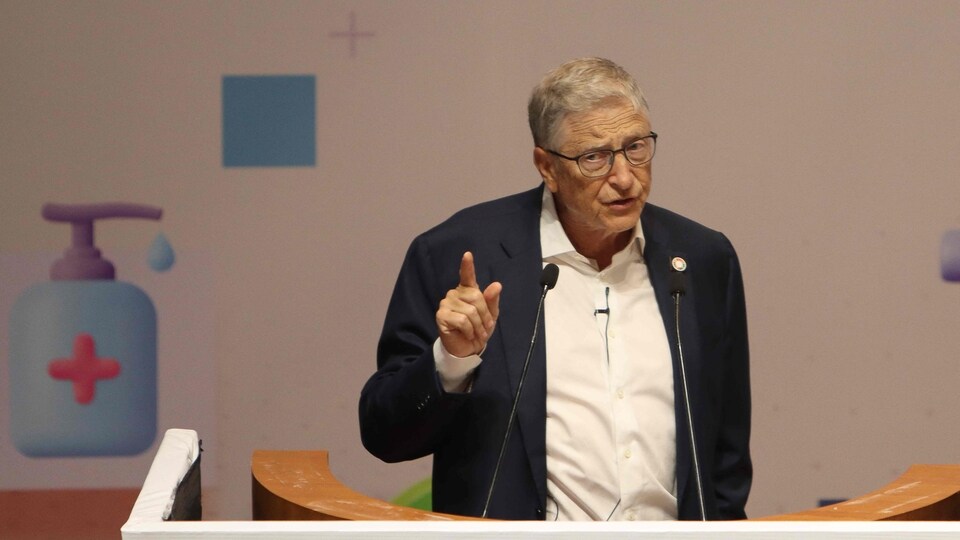
Microsoft co-founder Bill Gates has warned that artificial intelligence (AI), while immensely powerful, could reshape the global economy and transform the job market in ways that demand urgent attention. Speaking with CNBC’s Andrew Ross Sorkin on Squawk Box, Gates described AI as the most profound technological shift of his lifetime, one that could bring sweeping changes to employment and energy systems alike.

A technology as transformative as the Internet
Gates likened AI’s rise to the dawn of the Internet, saying its influence “is hard to overstate.” “The AI is the biggest technical thing ever in my lifetime,” he said. “Its economic value is extremely high, just like creating the Internet ended up being very, very valuable.”
While he dismissed fears of an outright financial bubble, Gates compared the current surge in AI investment to the early Internet boom, suggesting that while many ventures may fail, the technology’s long-term potential remains transformative. “There are a ton of these investments that will be dead ends,” he admitted, “but something very profound is happening.”
The looming disruption to jobs
Gates cautioned that AI’s impact on employment will gradually become unavoidable. “Although it hasn’t been seen in large numbers over the next several years, there will be some impact on the job market,” he said. “It’s only honest for people to speak frankly about the fact this will have a big effect.”
Experts have echoed similar concerns, predicting that AI could automate routine office and technical roles, forcing workers in finance, marketing, law, and even software engineering to adapt quickly. Gates’ comments underscore the need for governments and industries to prepare for a labour market that will increasingly reward adaptability and digital literacy.
He emphasised that the focus should be on reskilling and education rather than resistance to technological progress. “We need to ensure that people are equipped to work alongside these new tools, not be replaced by them,” Gates suggested, adding that AI’s long-term benefits could still outweigh its short-term disruptions if handled responsibly.
AI’s hidden energy cost
Beyond the job market, Gates highlighted another critical issue, the energy demands of AI infrastructure. The billionaire philanthropist, who also chairs nuclear innovation company TerraPower, said that next-generation energy systems must grow in tandem with AI’s expansion.
“We need to put things like TerraPower nuclear reactors in places where it’s very clear that you’re not raising the residents’ electricity bills,” Gates said. He warned against unchecked construction of energy-hungry data centres, noting that public trust and affordability will be crucial for long-term AI adoption.
As AI models become more sophisticated, their power requirements have ballooned. Companies like Microsoft, OpenAI, and Google have all reported surges in data centre spending, sparking concerns about sustainability. Gates’ comments hint at a future where energy innovation and AI development must advance hand in hand.
Keeping human welfare at the centre
Gates reiterated that technology should serve humanity, not overshadow it. “Wasn’t the goal here to improve human lives?” he asked rhetorically. He urged policymakers and corporations to assess technological progress through the lens of human welfare, whether in AI, climate innovation, or economic development.
“Climate is a super important problem,” Gates said. “There’s enough innovation here to avoid super bad outcomes, but we have to frame it in terms of overall human welfare, not just everything should be solely for climate.”
His message was clear: AI’s potential to revolutionise productivity, medicine, and science must not come at the expense of people’s livelihoods or equity. Instead, governments and businesses should shape policies that harness innovation for social progress.
Bill Gates’ latest warning is not anti-AI, it’s a call for balance. He acknowledges that AI will unlock immense value across industries, much like the Internet once did. But without proactive measures to manage its impact on jobs and energy systems, the transition could be turbulent.
For millions of workers worldwide, the rise of AI may not spell instant job loss, but it does signal a fundamental shift in how work is defined. Gates’ advice? Prepare early, adapt quickly, and ensure that the benefits of AI are measured not just in profits, but in people’s well-being.


