
 E-Paper



Merge Labs aims to take on Neuralink with support from Sam Altman
Sam Altman is backing brain-computer interface startup Merge Labs to compete with Elon Musk’s Neuralink, aiming to advance human-AI connections.

 Prefer HTon Google


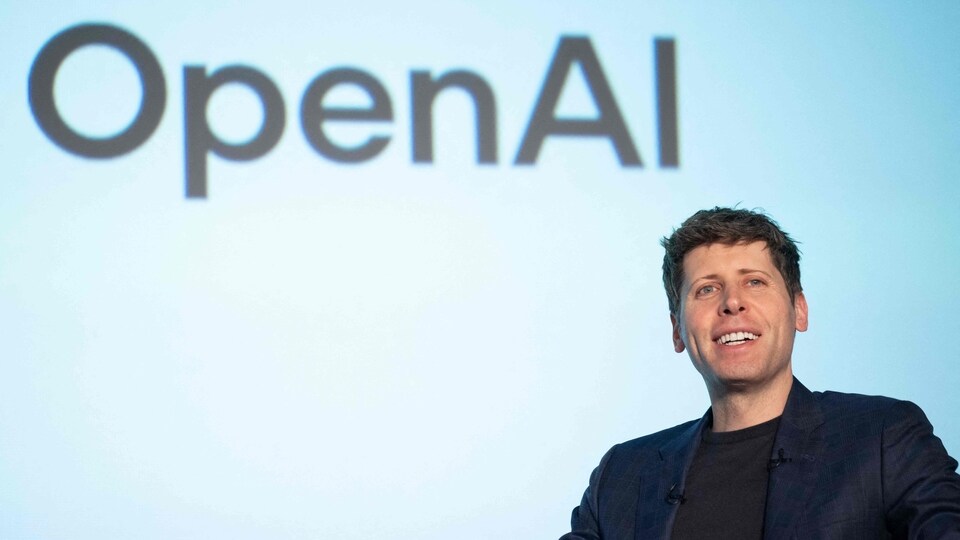
OpenAI’s CEO, Sam Altman, is reportedly planning to back a new company called Merge Labs that works on brain-computer technology. This tech lets the brain connect directly with computers. This new startup is expected to compete directly with Elon Musk’s Neuralink, founded in 2016.

Neuralink has been working on brain implants since 2016 to help people with paralysis control devices with their thoughts. Merge Labs reportedly wants to go even further and the idea is to make the connection between humans and AI smoother and maybe even enhance human abilities beyond just medical needs.
Merge Labs is still at a very early stage and is aiming for a valuation of about 850 million dollars and seeking 250 million dollars in funding. The money may come from OpenAI’s investment arm. Sam Altman is also teaming up with Alex Blania who is working on another project focused on advanced biometrics for identity verification.
There is one big difference between Neuralink and Merge Labs: Merge Labs is exploring less invasive brain implants, the ones that will not require major surgery and will make heavy use of artificial intelligence to improve how the technology works. Neuralink has already tested its implants in humans and reached a nine billion dollar valuation.
The brain-computer interface field is making rapid progress. Recently, at the 2025 World Robot Championship in Beijing, teams demonstrated brain-controlled robots and drones that respond to brain signals in real time. In another breakthrough, scientists at UC Davis created a brain-computer system that turns brain signals into speech for a man with ALS giving him the ability to talk.
This kind of technology can change rehabilitation, assistive tools and even make home automation easy through natural human-computer interaction. These innovations show that brain-computer technology is finally leaving the labs and moving toward real-world use and has the potential to help millions of people.


