
 E-Paper



Israeli military rescues 2 hostages from Gaza's Rafah amid heavy airstrikes
The Israeli military on Monday said that they have rescued two hostages from Gaza's Rafah in a special overnight operation.


The Israeli military on Monday rescued two hostages, who were kidnapped by Hamas on October 7, in a special overnight operation in Gaza's southern Rafah neighborhood. The rescue operation took place amid heavy airstrikes by the Israeli troops in which 37 people were reportedly killed and several others have been left wounded.
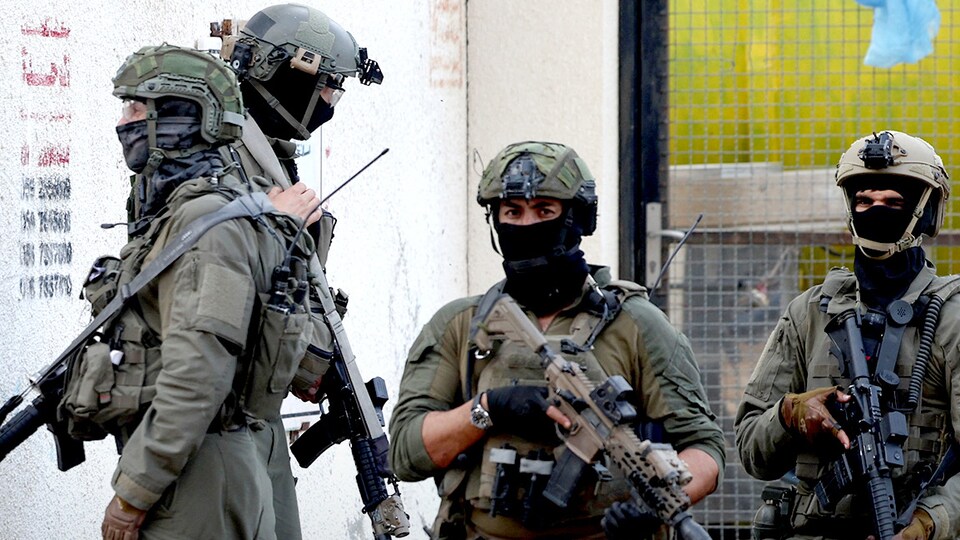
According to the Israeli military, a joint operation by the Israel Defence Force (IDF), Israel's domestic Shin Bet security service and the Special Police Unit in Rafah freed two men Fernando Simon Marman (60) and Louis Har (70) from a residential building.
The rescued hostages are in “good condition” and were transferred for further medical examination in Israel, the military said. “During a joint operation between the IDF, ISA, and Israel Police, two Israeli hostages from Kibbutz Nir Yitzhak were rescued,” the IDF wrote on X (formerly known as Twitter).
Israeli military spokesman Lt Col. Richard Hecht called it a “complex” operation, adding that it was based on “precise intelligence”, reported Reuters. “We’ve been working a long time on this operation. We were waiting for the right conditions,” he said, adding that Israeli prime minister Benjamin Netanyahu joined Israel's military chief and other top officials as the raid unfolded.
Meanwhile, the airstrikes caused massive panic in Rafah as Israeli planes, tanks, and ships took part in the strikes, with two mosques and several houses hit, reported Reuters. Hours later, the Israeli military said that the attacks had “concluded” without providing further details.
This comes a week after Netanyahu rejected Hamas' offer for a ceasefire to ensure the return of hostages still held in the besieged enclave. In an interview with the local media on Sunday, Netanyahu asserted that “enough” of the remaining 132 hostages held in Gaza were alive to justify Israel's war in the region.
Israel-Hamas war
The war between Israel and Hamas began on October 7 after Hamas' attack in which around 1,200 Israelis were killed. Since then, Israel has been continuously attacking Gaza with the country's Prime Minister Benjamin Netanyahu stressing that they will continue its war till victory is achieved. The war has claimed over 28,000 lives so far, with thousands of people being injured and displaced.
(With inputs from agencies)


