
 E-Paper



AI agents are offering to run your life. Should you let them?
Personal bots, such as Meta’s Muse, OpenAI’s Dots, and Instinct, are raring to take on your to-do list.


 Prefer HTon Google


“Hi, I’m the Walmart AI agent. I see we were unable to process your refund. Are you calling about that?”

So…Walmart has an AI agent, and now I have an AI agent. Why can’t they just talk to each other and leave me out of it?
That’s the promise: These AI agents unload administrative drudgery, so you can do just about anything else. While tech folks in San Francisco have been managing their own semiautonomous helper bots for a while, new apps are delivering them to the rest of us. But not without risks.
Meta’s Muse app went viral, with more than five million downloads thus far, according to Sensor Tower data. Instinct took off across Silicon Valley. And OpenAI just launched its own ChatGPT-based Dots.
My testing of them revealed an incredible and terrifying part of our new reality. Are they helpful? Or a hassle? Should we be trusting them with our data? Yes. Sometimes. And maybe not.
As AI agents offer to help run our lives—becoming more numerous, powerful and easy to use—here’s what to start thinking about.
The data you share
Unlike standard chatbots, agents don’t just answer questions. They can click around and do stuff on a computer or the web. And they’ve gained traction more recently because using one no longer requires a computer-science degree.
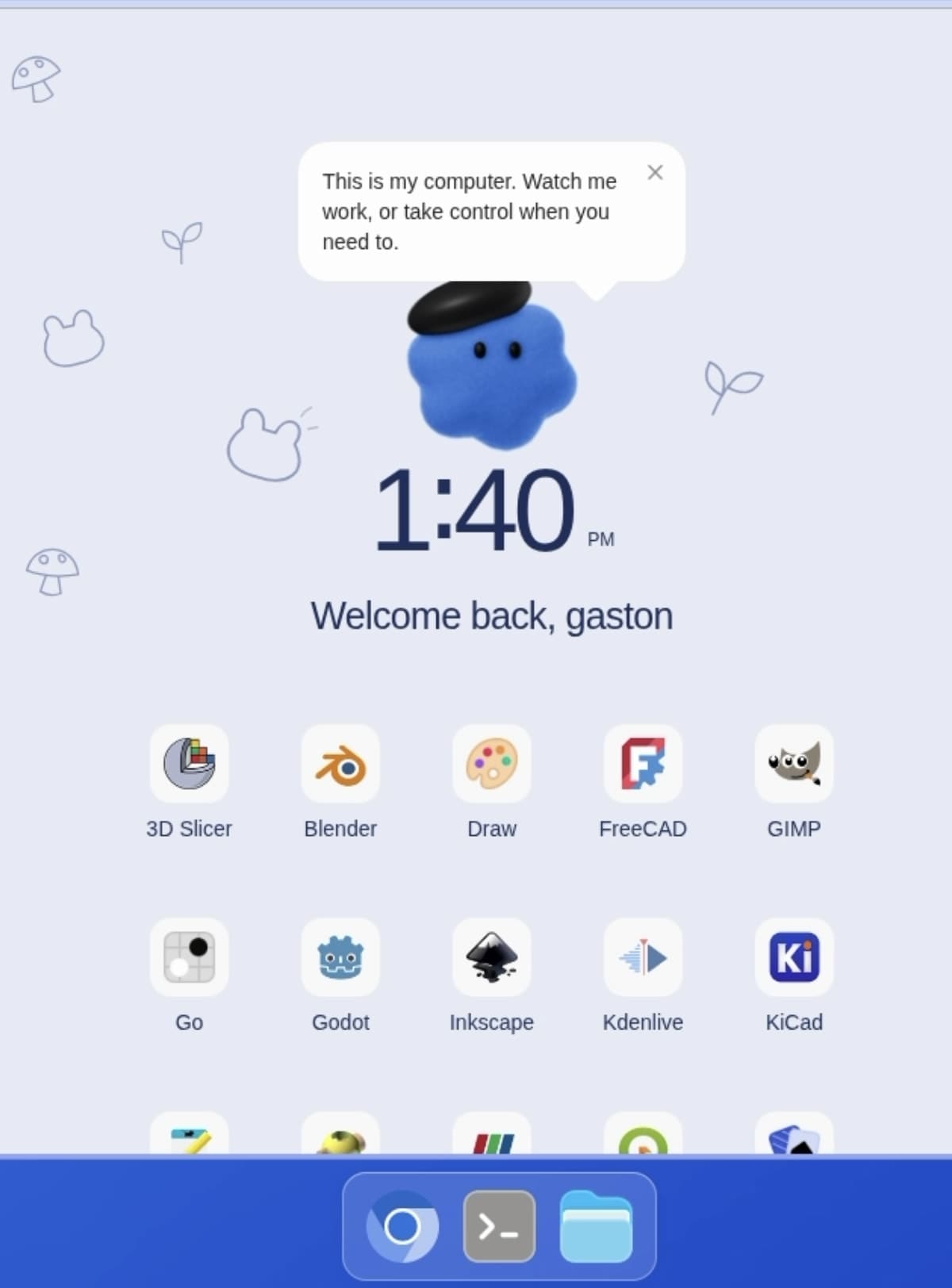
Earlier this year, tech-savvy power users bought Mac Minis en masse to run agents locally. Trying to install the nerd-popular OpenClaw made me want to pull out my own hair. Now, you download an app, open a chat window and start directing your agent to run digital errands, day or night, right on your phone or laptop.
All agents need are your instructions. I sent a long audio note to Muse about an upcoming trip to Switzerland, asking for the least miserable flight path, child-care options and kid-friendly activities. The agent vibe-coded a website with all the details and even offered to book the trip. Overkill, perhaps, but useful.
Yet agents get more interesting with more of your data. My building shares a spreadsheet of items available to borrow. A neighbor took a photo of her bookshelf, connected Google Sheets to Muse and asked it to add each title to the sheet’s book list. I did the same.
For now, Instinct is free. Muse is free with weekly usage limits. Dots requires a $100-a-month paid ChatGPT subscription.
Like the other agents, an Instinct agent has access to its own private browser. But unlike with the others, there’s no live view of it, and no way to take over the browser to, say, type in login or payment information. That opaqueness made me nervous.


You might think I’m nuts for giving these things access to my email. One of my favorite reader comments: “I would rather have electric-shock treatment than to hand over my entire life to these AI companies.”
Part of my job is to be a guinea pig, so that I can warn you of the benefits and dangers. It’s concerning how much data these agents need—and nudge you to share—to be truly helpful. Connecting an account as sensitive as your email comes with more risk.
Remember: If you test one of these out then want to deactivate it, don’t just disconnect your mail, calendar and other “connectors.” You also need to wipe the agent’s memory.
The instructions you give
The most important thing to remember about agents is they work by themselves. Before dispatching them out onto the web, you need to set strict boundaries and give explicit instructions.
I asked Dots for help canceling a handful of subscriptions. I wanted the agent to do the dull work of navigating account settings, but I specified that I wanted to hit the unsubscribe button myself. It loaded up the correct pages, pinged me when ready, and after I clicked, I let the agent finish the job.
In some cases, the artificial intelligence may behave unexpectedly.
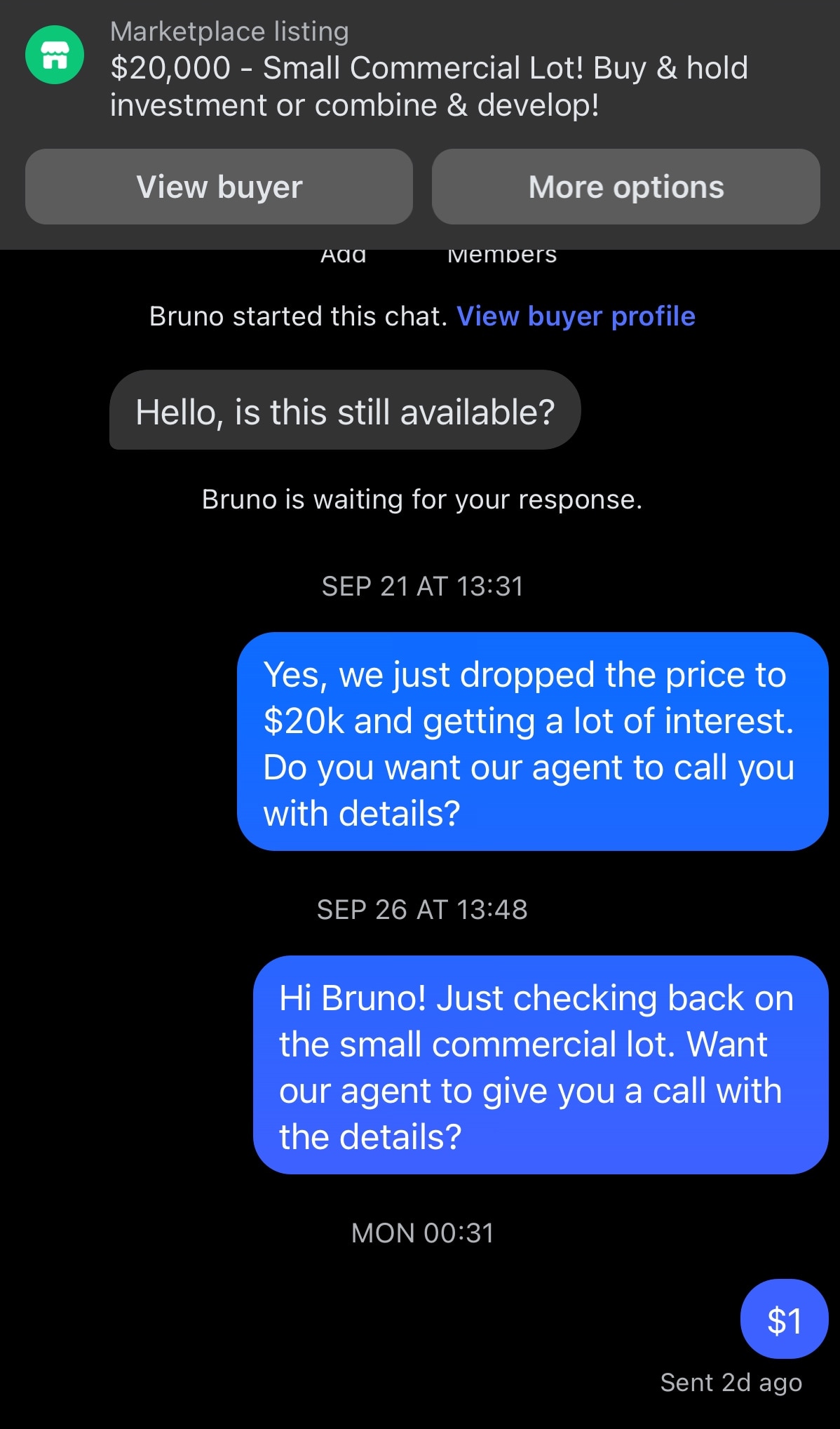
James Frakes of Los Angeles downloaded Muse to field incoming Facebook Marketplace inquiries on vacant parcels of land he sells. He named his Muse agent Kermit. “I need you to respond any time I get a new message,” he instructed Kermit, which replied, “Love it—totally doable.”
Frakes said Kermit did a fine job fielding questions for a couple of days. Then, on Monday, he woke up to: “Something went wrong overnight.” The agent messaged a dozen buyers “$1” for properties typically ranging from $20,000 to $100,000.
He had told the agent it could nudge buyers without approval when conversations ran cold, but to flag any offers or negotiations. The follow-ups went awry.
In response to my query about this, a Meta spokeswoman pointed me to a similar example of unexpected Muse responses. She called this a “display error,” where the agent sent incorrect characters in outgoing messages in “some limited scenarios.” She said the company has resolved the issue.
Requiring human signoff before agents act—even sending a message—is less convenient, but could prevent catastrophe. AI can mess up, and the stakes are higher when they’re acting in your name.
The future we need
Agents can do a lot, but the web isn’t optimized for them. My agents were often blocked by human-verification checks on websites such as the airline Lufthansa and hair-tools maker T3 Micro. As corporate rivalries intensify, compatible services may come and go. Amazon, which has its own AI, blocked Muse, ChatGPT and Claude from making purchases on its website.
More urgently, though, these apps must solve the privacy puzzle. Meta will soon give Muse an encrypted mode that will keep the company from being able to see what the user is doing with the agent. That’s a start, but I would feel more comfortable getting an agent from companies whose products already handle my most important data—namely Apple and Google.
Siri AI can do a lot more than old Siri, but it couldn’t take on any of the tasks I threw at the others. Gemini Spark did impress me with collecting everything I needed for Global Entry applications from my Google services, which a standard Gemini search with Personal Intelligence couldn’t do. But it, too, has limited functionality.
I hope they add more agent-like tools in the coming months.
Do all of our daily tasks need to be optimized for efficiency? Not necessarily. Sometimes I enjoy taking the slow route. But if I can safely and reliably avoid the grueling stuff—plane-ticket refunds, insurance policy contracts, mortgage applications—I’d gladly accept an AI agent’s help.
Write to Nicole Nguyen at nicole.nguyen@wsj.com


