E-Paper



By the early 1990s, just 10 pink pigeons remained in Mauritius; captive breeding helped the wild population recover to 400 to 480 birds
Captive breeding helped Mauritius’ pink pigeons rebound from near extinction, but declining genetic diversity remains a concern for their long-term survival.

 Prefer HTon Google


An endangered bird in Mauritius has made a gradual recovery through decades of conservation work, but rising numbers have not eliminated the risks to its long-term survival. By about 1990, the wild pink pigeon population had dwindled to roughly 10 birds amid habitat loss, fragmentation and pressure from introduced species. Captive breeding and releases helped rebuild the population to several hundred birds, although concerns remain about the genetic diversity needed to sustain that recovery.
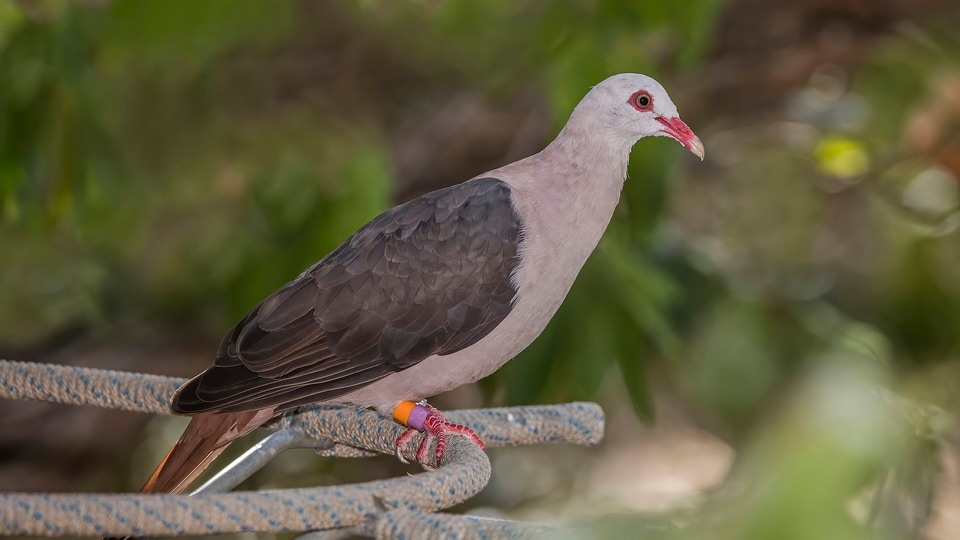
A 2022 study published in Conservation Biology examined the genetic consequences of the pink pigeon's population collapse and subsequent recovery. The findings showed that genetic diversity continued to decline despite the increase in numbers. The research highlights why population size alone cannot establish whether a threatened species is secure and why conservation programs must also protect the genetic variation needed for long-term survival.
How captive breeding helped the population recover
The pink pigeon (Nesoenas mayeri) is native to Mauritius. Its numbers fell over decades as natural habitats were destroyed or fragmented and introduced species added pressure on the remaining population. To prevent extinction, conservationists established a captive breeding program and used its birds to reinforce wild populations.
Deep Dive

Between 1976 and 1981, conservationists took 12 pigeons from the last known wild population at Pigeon Wood to establish a breeding group at the Gerald Durrell Endemic Wildlife Sanctuary in Mauritius. The wild population continued to face severe pressures in subsequent years, reaching an estimated low of about 10 birds by the early 1990s. Managed breeding and releases later helped establish and strengthen wild subpopulations.
Researchers analyzed genetic data from wild pigeons alongside breeding records covering 1,112 birds held in zoos across Europe and the United States. Using DNA sequencing, genetic markers, and computer simulations, they investigated how the species' genetic makeup changed during its collapse and recovery.
By 2013, the free-living population had grown to around 400 birds, according to the research. The broader recovery brought the population to an estimated 400 to 480 birds, and the species was subsequently reclassified on the International Union for Conservation of Nature's Red List, moving from Critically Endangered to Vulnerable through two status changes. These improvements reflected a meaningful conservation achievement, but they did not remove the genetic risks created by the earlier population collapse.
Why more birds do not necessarily mean a healthier population
Despite the numerical recovery, genetic diversity continued to decline. In small populations, inbreeding becomes more likely because individuals have fewer potential mates, while genetic drift can randomly eliminate inherited variation. These processes can reduce a population's ability to adapt to environmental changes and increase the likelihood that harmful genetic variants will affect reproduction and survival.
The researchers estimated that the pink pigeon's effective population size, which measures how many individuals contribute genetically to future generations, was roughly one-tenth of its recorded population size. This distinction matters because hundreds of birds do not necessarily represent hundreds of equally contributing breeders. If relatively few individuals pass their genes to the next generation, the population can remain genetically vulnerable even as its overall numbers rise.
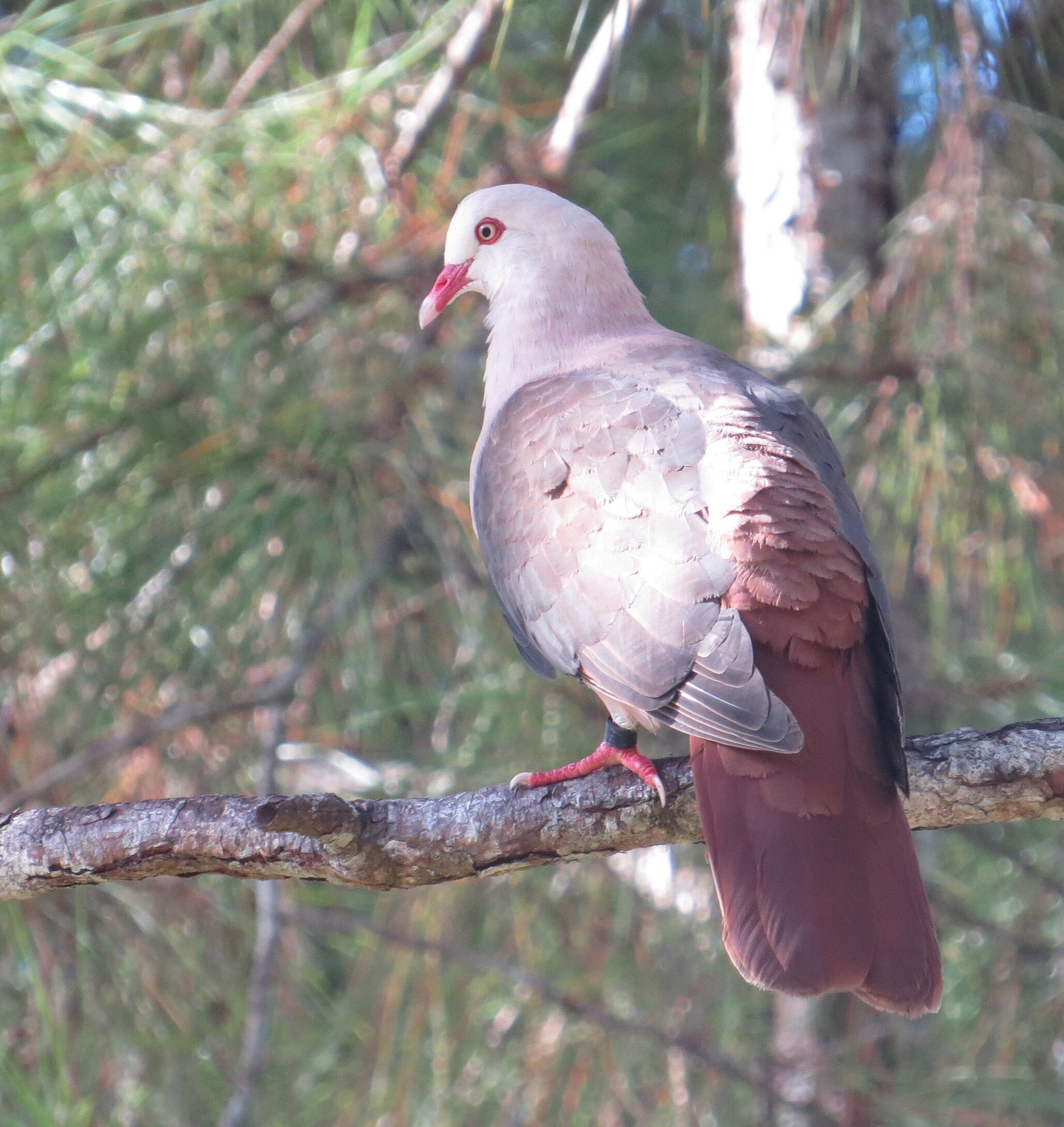
Computer simulations indicated that inbreeding could contribute to the accumulation of harmful mutations and that the wild population could face extinction within 100 years of the study's 2022 publication if the modeled risks remained unaddressed. That projection is a scenario, not a fixed deadline, and should not be interpreted as a prediction that extinction will occur by 2122. Instead, it underscores the importance of genetic management, including introducing birds that carry genetic variation missing or underrepresented in the wild population.
Breeding for a robust future
The Mauritian Wildlife Foundation's report, World Endangered Species Day: Pink Pigeon Captive Breeding 2023/2024 at GDEWS, describes efforts to address these concerns. The foundation worked with the National Parks and Conservation Service, Paignton Zoo and Jersey Zoo to manage breeding at the Gerald Durrell Endemic Wildlife Sanctuary.
During the 2023-24 breeding season, six young female pigeons were brought from the wild to replace older breeding females. Staff selected pairs, monitored their behavior, and provided nesting trays, branches, and potted plants in aviaries. They also watched for aggression and separated birds when necessary to manage breeding.
The season produced six fledglings, including three from pairings between females from Mauritius and males originally from the United Kingdom. Three males repatriated from Jersey Zoo in 2019 were also considered important to efforts to restore genetic variation.
The foundation's report illustrates how breeding programs increasingly aim to preserve genetic diversity alongside population growth. Captive populations in overseas zoos may retain genetic material that is missing or underrepresented among wild pigeons in Mauritius, making carefully planned pairings an important conservation tool. The species' recovery demonstrates the value of captive breeding, while its continuing genetic challenges show why rebuilding numbers is only one part of protecting a threatened population.