
 E-Paper



Did Hezbollah's Nasrallah agree to ceasefire with Netanyahu before his death in Israeli strike?
A Lebanon minister claimed that former Hezbollah chief Nasrallah agreed to a ceasefire with Israel PM Benjamin Netanyahu, shortly before his death.

 Prefer HTon Google


Slain Hezbollah chief Hassan Nasrallah and Israeli Prime Minister Benjamin Netanyahu had reportedly agreed to a ceasefire hours before the former was killed in an airstrike carried out by Israeli military in Beirut, claimed Lebanon foreign minister Abdallah Bou Habib. Speaking to American broadcaster PBS, Bou Habib said the decision of ceasefire was also communicated to the United States and France.
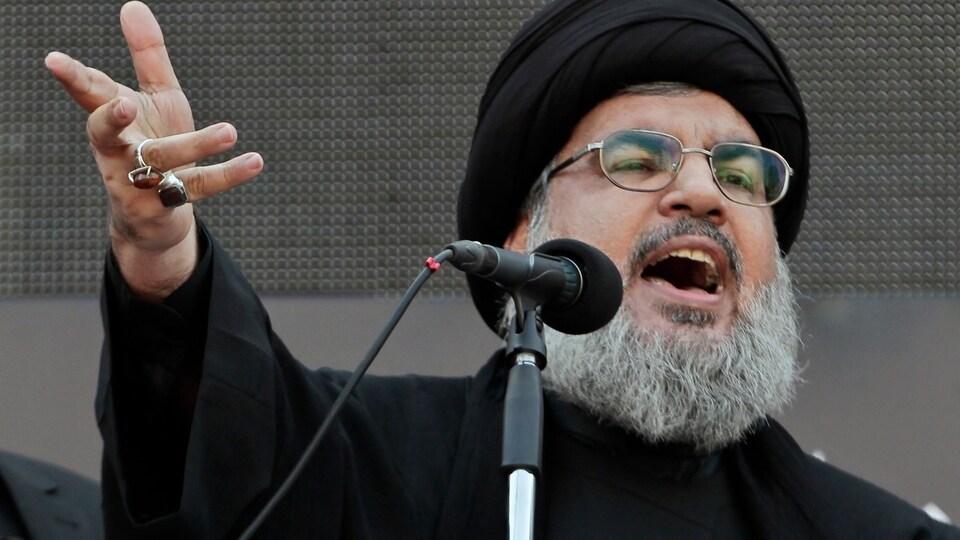
Hassan Nasrallah was killed on September 27 when his bunker was hit by Israeli bombs. While Hezbollah's statement did not reveal the cause of his death, Reuters reports said that the cause of death was blunt trauma caused by the blasts.
Bou Habib told PBS that Nasrallah had agreed to a ceasefire with Netanyahu, a decision which had gotten full consent from Lebanon. After consulting with Hezbollah, the same was communicated to both the US and France.
“The Lebanese House Speaker, Mr Nabih Berri, consulted with Hezbollah and we informed the Americans and the French about the agreement. They told us that [Israeli Prime Minister Benjamin] Netanyahu also agreed to the statement issued by both presidents,” he said.
The United States, France and other ally countries had prepared a 21-day ceasefire plan starting on September 25 after Joe Biden and Emmanuel Macron met on the sidelines of the UN General Assembly in New York. However, the ceasefire agreement was rejected by Netanyahu a day later, after which he ordered the military to continue fighting.
Click here for LIVE updates on Iran-Israel conflict
Amid ongoing strikes against Lebanon by Israel, Iran's Supreme Leader Ayatollah Ali Khamenei had asked Nasrallah to flee the country. This warning came just days before he was killed in an Israeli strike, reported Reuters.
Lebanon's caretaker Prime Minister Najib Mikati said on Wednesday the country needed a ceasefire in hostilities between Israel and the armed group Hezbollah, saying around 1.2 million people in Lebanon had been displaced by Israeli attacks.
"Stop fighting. We don't need more blood. We don't need more destruction," Mikati said in an online briefing organized by the American Task Force on Lebanon, a U.S.-based non-profit. “There is an immediate need for a ceasefire,” he added, reported Reuters.


