
 E-Paper



How Mamdani Went From Little-Known Socialist Lawmaker to NYC Mayor
The 34-year-old’s deft use of social media, focus on affordability and a lackluster slate of other candidates propelled him to victory.


 Prefer HTon Google


When Zohran Mamdani was three years into his term as a state legislator last summer, he approached his political allies with a plan to run for New York City mayor that even they doubted he could pull off.
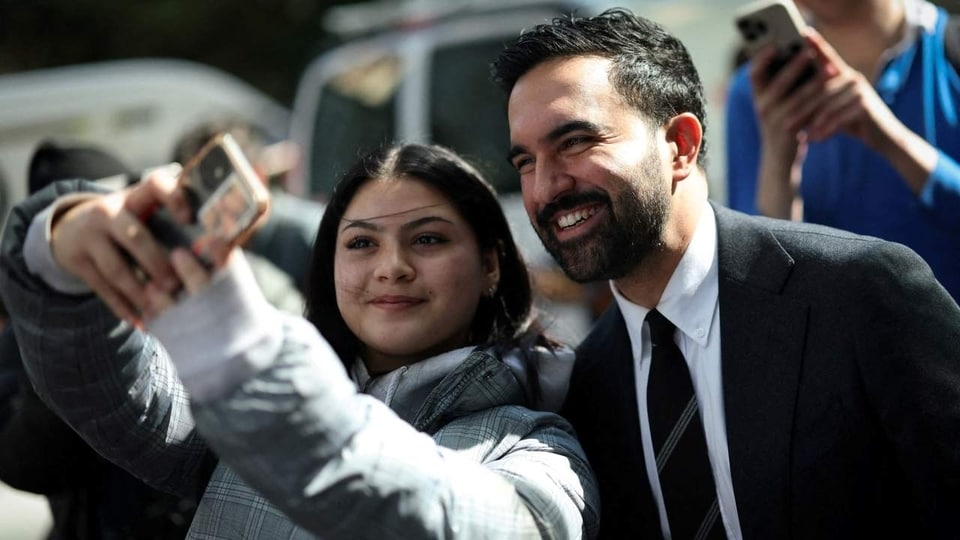
Leaders of the Democratic Socialists of America were initially reluctant to take a chance on the young politician with a thin resume and little name recognition, and they worried a bad showing could get the organization written off as a fringe group.
“The risks were that there was a narrow path to victory and we could underperform,” said Gustavo Gordillo, co-chair of the city’s DSA. “It took probably a hundred conversations with leaders in the organization to move the institution and for all of us to take this big risk together with him.”
Mamdani’s victory in the mayoral race in America’s largest city is the result of an improbable series of events, including a three-way general election that split centrist voters between his opponents, a lackluster field of contenders, a wounded incumbent mayor and shifting sentiment on Israel. It is also thanks to his abilities as a campaigner, including his dexterous use of social media to reach younger voters.
Mamdani—who defeated former New York Gov. Andrew Cuomo, an independent candidate, and Republican nominee Curtis Sliwa in the general election on Tuesday—comes to the role largely untested and faces steep challenges in governing. As of late Tuesday, Mamdani was on track to prevail with roughly 50% of the vote, a fraction of the share that his recent predecessors secured.
Members of the city’s Jewish community are deeply skeptical of his views on Israel and concerned he won’t aggressively tackle antisemitism. The city’s business community, which gave tens of millions of dollars in support of his opponents, continues to view many of his signature policies warily.
The son of an academic and film director, Mamdani spent the decade or so before winning his first election as an aspiring rapper, foreclosure-prevention counselor and music supervisor on one of his mother’s films.
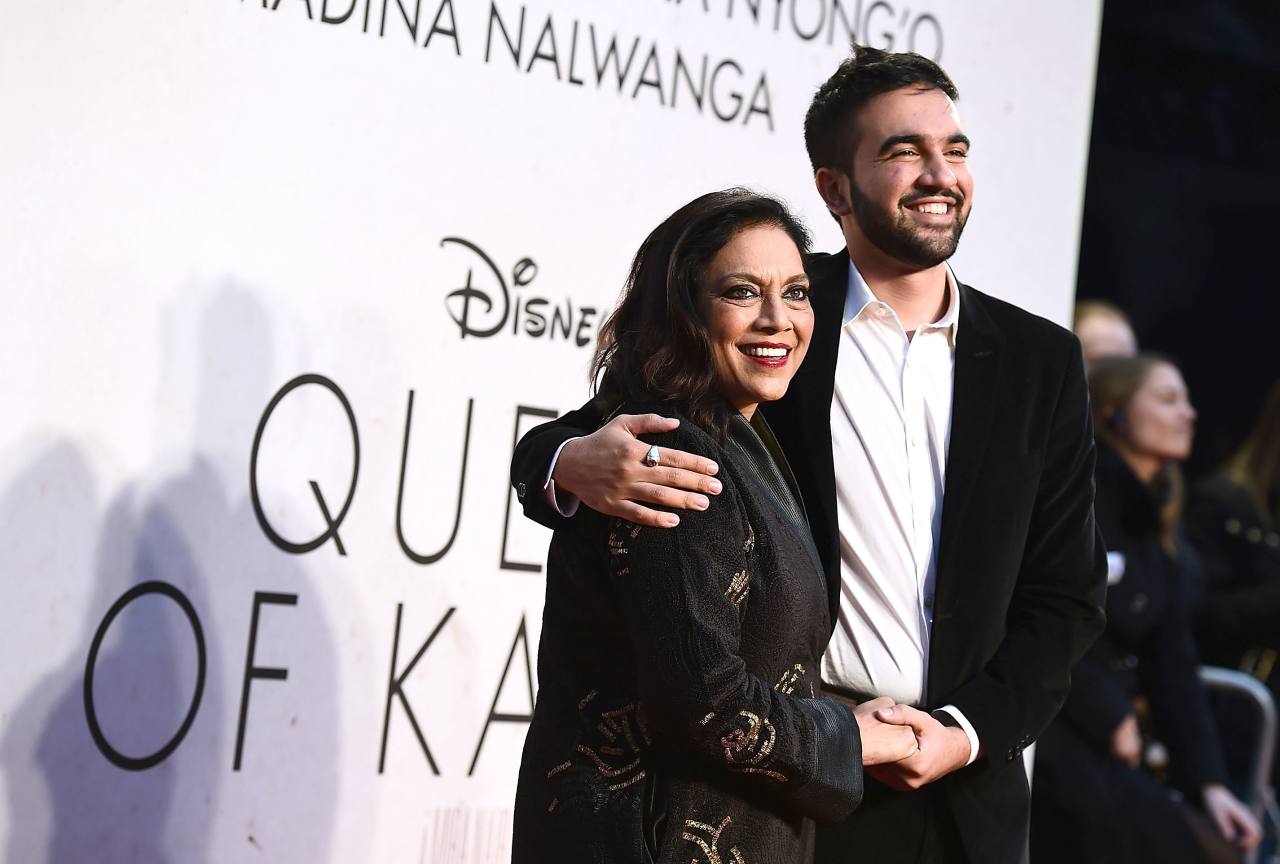
He first took office in 2021, as part of a slate of Democratic Socialists of America candidates who won seats in the state legislature. His mayoral opponents have repeatedly attacked him for his youth and lack of experience. “You have never had a job. You’ve never accomplished anything,” Cuomo, 67, who lost to Mamdani in the Democratic primary, said at a recent mayoral debate.
When he was still a novice Queens state assemblyman, Mamdani saw an opportunity. Eric Adams, a Democrat, was limping through the back end of his first term as mayor, as he and members of his administration faced corruption investigations and scandals. Typically, incumbents seeking re-election don’t face a competitive primary, but several established politicians were preparing to challenge Adams.
Over the past decade, the DSA had successfully run candidates in local and state races, with its members acting as campaign managers, finding canvassers and developing social media strategy.
The organization gained steam after Bernie Sanders’s strong showing in the 2016 Democratic presidential primary and scored a notable victory when it backed Alexandria Ocasio-Cortez, a then-political newcomer, in her 2018 congressional win in Queens. Mamdani believed it was time for the group to seek political power at a citywide level, said Gordillo.
Mamdani launched his campaign in October of last year. “Life in this city doesn’t need to be this hard,” he said in a video kicking off his run. He highlighted the bribery indictment against Adams, who had just been criminally charged, and a series of progressive proposals to freeze rents on a swath of the city’s apartments and make buses and child care free.
He was one of nearly a dozen contenders in the Democratic primary. Early polls showed Cuomo, the most high-profile candidate, leading the pack. Adams opted to sit out the primary because of his legal entanglements.
While early polls suggested public safety was the top issue on voters’ minds, “Zohran was determined that affordability was actually the biggest growing concern based on his encounters with average folks across communities,” said Patrick Gaspard, a top aide to former President Barack Obama and unpaid adviser to Mamdani.
Cuomo highlighted his experience in government, but his campaign strategy seemed outdated and uninspired. Unlike Mamdani, he relied on television advertisements and endorsements, rather than meeting voters. Cuomo’s opponents hammered him over his administration’s handling of nursing homes during the Covid-19 pandemic, as well as sexual-harassment accusations that led to his resignation as governor.
Cuomo’s portrayal of a crime-ridden New York City was off-putting to some voters, said Bradley Tusk, political strategist and campaign manager for former Mayor Michael Bloomberg. “Cuomo is just telling you how terrible everything is,” Tusk said. “You have to be able to actually translate it to specific things and not just complain.”
Mamdani met with significant early opposition from the city’s business elite, fearful of a socialist running the financial capital of the world. Business executives poured tens of millions of dollars into pro-Cuomo super political-action committees ahead of the June 24 primary. The super PACs funded ads that attacked Mamdani as anti-Israel and highlighted his past comments calling for the defunding of the New York Police Department.
“They still think it’s all about lobbyists and campaign checks,” Tusk said of the business community. “Zohran proved that to be the opposite. It was more short-form videos. It was about the right narrative and messaging.”
Mamdani ultimately beat Cuomo by 12 points in a primary election with the highest turnout for a citywide election in a decade. Voters aged 18 to 29 had the biggest turnout of any age group. By contrast, Adams squeaked out a narrow victory in the 2021 Democratic primary.
Mamdani also capitalized on shifting sentiment against Israel two years into the war in Gaza. He has vocally supported Palestinian rights and accused Israel of committing genocide. His stances on the issue excited young voters and didn’t torpedo his run in a city with the largest Jewish population in the U.S.
Throughout the general election campaign, Mamdani sought to broaden his base, reaching out to the Jewish community, meeting with business leaders and providing reassurances his administration wouldn’t shift the city in a radically socialist direction—including pledging to keep on the current police commissioner, Jessica Tisch. While many of those leaders were receptive to the outreach, they have remained skeptical of his policies.
Robert Wolf, former chairman and chief executive of UBS Americas and an Obama economic adviser, has met privately and texted with Mamdani since the primary. He said he believes that Mamdani knows the private sector needs to thrive for the city to succeed and flourish. Mamdani also showed that giving priority to affordability is important for Democratic candidates, he said.
“He has figured out how to get young people—young New Yorkers—engaged, which we didn’t see on the Democratic side in 2024,” Wolf said. “That is something that I think other politicians can learn from him.”
Write to James Fanelli at james.fanelli@wsj.com


