E-Paper



Nearly $1 billion gone: Iran destroys up to 30 US Reaper drones no longer in production for Pentagon, says report
The MQ-9 Reaper has been one of the US military’s most heavily used platforms during the Iran war. Each drone costs roughly $30 million.

 Prefer HTon Google


The cost of the US-led military campaign against Iran is mounting sharply, with new estimates suggesting that Tehran has destroyed nearly $1 billion worth of America’s prized MQ-9 Reaper drones since the conflict began in February.
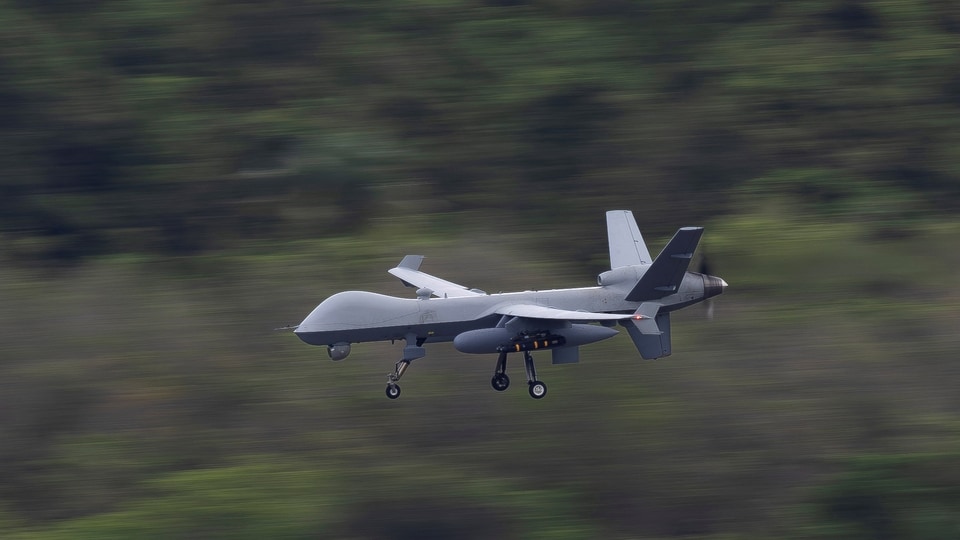
At least 24 MQ-9 Reapers, and possibly as many as 30, have been lost during the war, according to a person familiar with the matter cited by Bloomberg. The figure includes drones that were damaged during operations and later written off. The losses amount to nearly 20 per cent of the Pentagon’s prewar inventory of the high-value unmanned aircraft.
Many of the drones were reportedly shot down mid-flight by Iranian fire, while others were destroyed on the ground in missile strikes or lost in accidents during operations. Track US-Iran war live updates.
Why the losses matter
The MQ-9 Reaper has been one of the US military’s most heavily used platforms during the conflict. The aircraft, manufactured by General Atomics, is equipped with high-powered surveillance systems, including advanced cameras and sensors, and can carry weapons such as Hellfire missiles and Joint Direct Attack Munition-guided bombs.
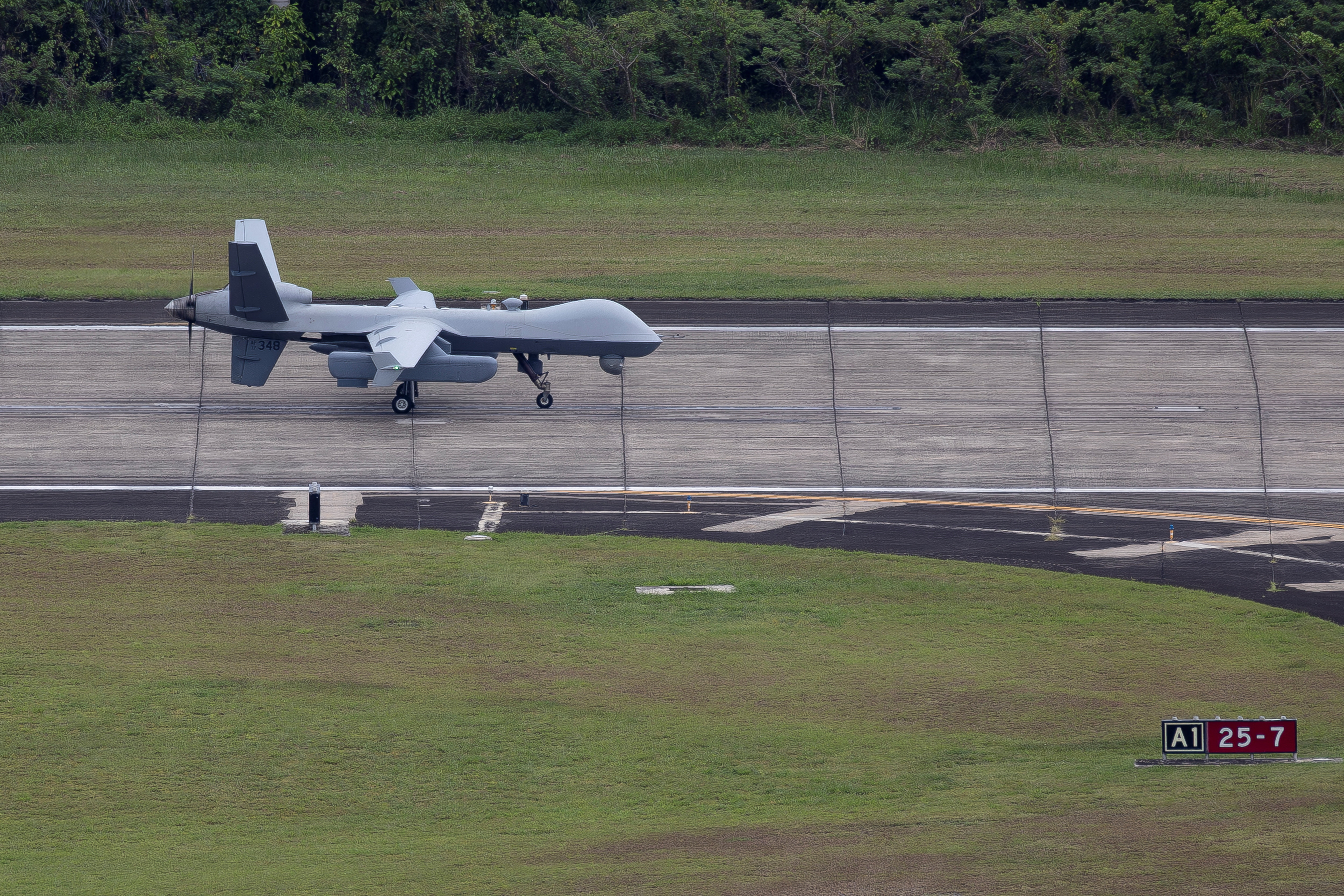
Each drone costs roughly $30 million, making the cumulative losses particularly significant.
The setback is further compounded by the fact that Reapers are no longer manufactured for US forces, making replacements difficult.
The Bloomberg report also noted that only around 10 units of the newer jet-powered Avenger strike drone were built, limiting immediate alternatives for the Pentagon. While variants of the Reaper continue to be produced for foreign customers, production for the US military has effectively stopped.
Limits of drone warfare
US commanders have increasingly relied on drones during the conflict to reduce risks to air crews. However, despite extensive American and Israeli strikes that reportedly degraded large parts of Iran’s air defence network, sections of Iranian airspace continue to remain dangerous.
Bloomberg Economics defence lead Becca Wasser said, “Prosecuting war from a distance still comes with a cost.”
“MQ-9s may be attritable as they are uncrewed, but they are too expensive and too few with no active production line to be considered expendable,” Wasser added.
The latest estimates are also higher than earlier public assessments. A Congressional Research Service report released earlier this month had put confirmed Reaper losses at 24.
Military losses add to pressure
The drone losses are only part of the broader cost being borne by the US and Israel since the conflict escalated.
The war has consumed thousands of expensive precision munitions, including Tomahawk cruise missiles and JASSM-ER long-range missiles. The US has also reportedly lost two crewed aircraft over Iran – an F-15E Strike Eagle and an A-10 Thunderbolt II – though all crew members were rescued.
A Congressional Research Service (CRS) report said the losses and damaged assets include four F-15E Strike Eagles, one F-35A Lightning II, one A-10 Thunderbolt II, seven KC-135 Stratotankers, one E-3 Sentry AWACS aircraft, two MC-130J Commando II aircraft, one HH-60W Jolly Green II helicopter, 24 MQ-9 Reaper drones and one MQ-4C Triton drone.
Additional losses include airborne warning and control aircraft, aerial refuelling tankers, fighter jets, special operations aircraft, helicopters and drones.
Damage to radar systems costing hundreds of millions of dollars has also been reported.
Ceasefire uneasy
The war following the US and Israel strikes on Iran on February 28 has triggered weeks of intense military exchanges. Although a fragile ceasefire has been in place since April 8, both sides have continued to carry out occasional strikes, sharp rhetoric, keeping tensions high across the region.
While talking to reporters on Wednesday (local time), US President Donald Trump has described the negotiations as being “on the borderline” between a possible agreement and renewed escalation.
A report by US news outlet NBC said that if the talks fail, Washington is considering renaming the war effort as “Operation Sledgehammer” as part of a renewed military push, citing two American officials.
(With inputs from Bloomberg)