
 E-Paper



Nepal ties with India are warming up. China could complicate the situation | Analysis
The flux in Nepal’s ruling communist party has added uncertainties over the country’s relations, particularly given the leverage that Beijing holds over Kathmandu’s politics and businesses.

 Prefer HTon Google


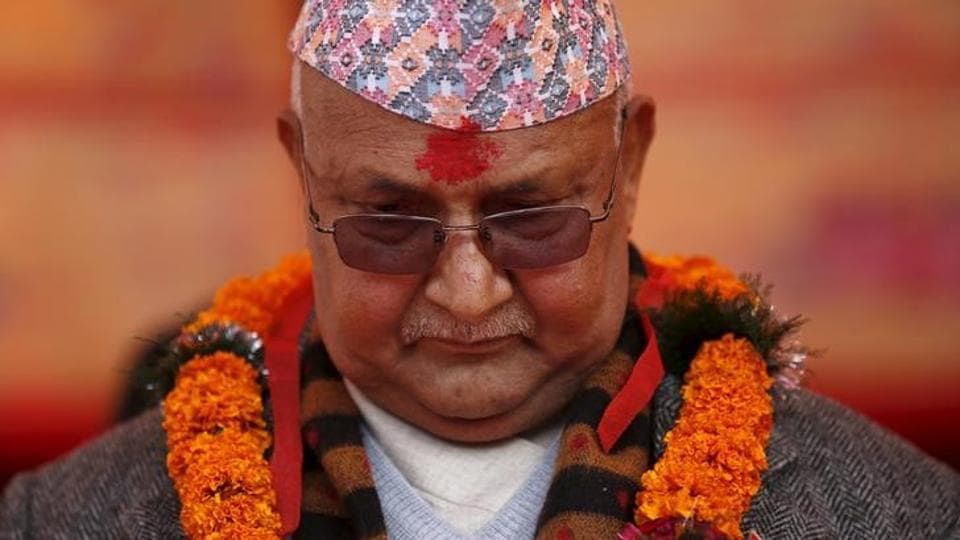
Prime Minister KP Sharma Oli’s government is keen to move forward on its relationship with India and could take a positive view on a travel air bubble with India and the Pancheshwar multi-modal project after foreign secretary Harsh Vardhan Shringla’s two-day visit, people familiar with the matter said. Shringla had a 50-minute one-on-one conversation with PM Oli on November 26 that saw the two countries focusing on steps to normalise relations hit hard due to the Lipu Lekh boundary row.
“They are keen to move forward on the relationship and will send some positive signals in this regard. But they also want the boundary issue to be discussed,” a senior official said. As the first step to deepen bilateral cooperation, the two countries could set up the travel air bubble and revive negotiations over the Pancheshwar multi-modal project. Foreign minister Pradeep Kumar Gyawali is expected to be India in December for which the dates are being worked out.
Relations between the two neighbours had nosedived this year after Nepal opposed an 80 km-border road to Lipulekh region that is claimed by Nepal. Kathmandu responded by issuing a new map that showed Indian territories of Kalapani, Lipulekh and Limpiyadhura as part of Nepal.
Also Read: In Nepal, how domestic politics is colliding with geopolitics
For the last few months, the two countries have been taking quiet steps to restore the ties. India does not want to vacate the space in Nepal and allow China to create additional leverages in the Himalayan Republic.
But diplomats in New Delhi and Kathmandu suggest there is some concern that China, which does appear to wield influence over Nepal’s politics and economy, could hold back Kathmandu.
The continuing political flux in Nepal and the battle between the two co-chairs of Nepal Communist Party (NCP) - KP Sharma Oli and PK Dahal aka Prachanda - has added to the uncertainties around the ruling party, and created an opportunity for China to intervene.
President Xi Jinping’s Communist Party of China has been keen that the Nepal Communist Party formed in 2018 after the merger to Nepal’s two communist parties - Communist Party of Nepal (United Marxist Leninist) (CPN-UML) and Communist Party of Nepal (Maoist Centre) - does not split. Chinese ambassador Hou Yanqi has been reported to have stepped in to bridge the divide between the two factions led by PM Oli and Prachanda in the past.
Diplomats say the timing of Chinese Defence Minister General Wei Fenghe on Sunday was indicative of Beijing’s focus on Kathmandu and reinforcement of its multiple messages to PM Oli’s government and the opposition. During his day-long visit, General Wei held meetings with PM Oli, President Bidya Devi Bhandari and Nepal Army Chief Purna Chandra Thapa before leaving for Pakistan in the evening.
PM Oli is believed to have suggested to ambassador Hou Yanqi at their meeting earlier this month that he is capable of handling challenges within his party without any assistance from other countries. But it is unclear if he can stand his ground.
Beijing wants the Nepalese Communist movement to remain united so that the country remains antagonistic towards India. The other option in play is to squeeze PM Oli, who wants a rapprochement with India, out of the party and the government.


