
 E-Paper



Sri Lanka economic crisis: UN Human Rights High Commissioner says 'closely monitoring developments'
Meanwhile, the Sri Lankan government has revoked the emergency rule clamped by it on April 1.


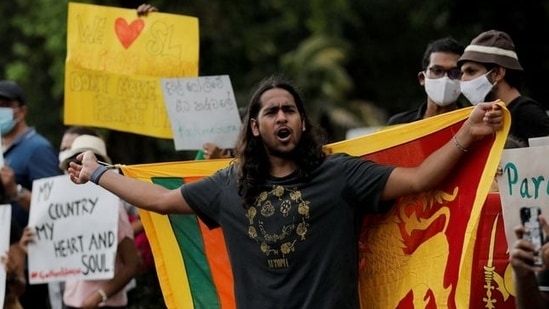
The Office of the United Nations High Commissioner for Human Rights (OHCHR) has said it is ‘closely monitoring’ the ongoing developments in Sri Lanka, where street protests have broken out against the ruling dispensation following the island nation’s worst economic crisis since its independence from the British rule, in 1948.
Also Read | Sri Lankan crisis: Rajapaksa government in minority
“We are closely following developments in Sri Lanka where in the past few days authorities announced a state of emergency and other restrictions in response to mass protests against the country’s worst economic crisis in decades,” Liz Throssell, the spokesperson of the UN High Commissioner for Human Rights, Michelle Bachelet, said in a press briefing on Tuesday.
Also Read | 5 charts which explain the Sri Lanka economic crisis
Noting that the situation has worsened over the past two weeks, Throssell also criticised Sri Lankan authorities for what she described as ‘excessive and unwarranted’ police action against peaceful protesters, as well measures such as declaration of state emergency, imposition of a 36-hour curfew and restricting access to social media.
Also Read | Sri Lanka economic crisis: Embassies shut, govt loses majority | Top points
Such measures, she said, are aimed at preventing/discouraging people from legitimately demonstrating their grievances through peaceful protests.
Also Read | Sri Lankan central bank governor resigns
“We will continue to closely watch developments. As noted by the High Commissioner in February, the drift towards militarisation and weakening of institutional checks and balances have affected the Sri Lankan State’s ability to effectively tackle the economic crisis. The High Commissioner has also previously voiced concern that the Government responds to criticism and dissent in ways that undermine civil space, and we reiterate these concerns today,” Throssell further remarked.
Also Read | 'There can be a bloodbath…': Sri Lankan ruling coalition MPs' warning
Meanwhile, Sri Lankan President Gotabaya Rajapaksa has issued a notification revoking the emergency rule, which he clamped on April 2 after violent protests took place outside his residence the day before. The Rajapaksa family, in particular, is facing the heat; while Gotabaya, as President, is the head of the state, there were as many as four members of his family, including Prime Minister Mahinda Rajapaksa, in the outgoing cabinet, which resigned en masse last Sunday. Only Gotabaya and Mahinda Rajapaksa remain.
Also Read | Sri Lanka leader urges Modi to help island nation to ‘maximum possible extent’
The country's opposition parties, too, have rejected the President's offer to form a ‘unity government’ to deal with the crisis.


