
 E-Paper



Sri Lankan crisis: Rajapaksa government in minority
The political crisis emanating from the financial difficulties, has not been precipitated by the opposition or any political party but entirely driven by public outrage against the Rajapaksas.

 Prefer HTon Google


The government of Mahinda Rajapaksa in Sri Lanka has lost its majority in parliament with its allies and at least 12 of its own dissident MPs deciding to sit as an independent group. This means that the Lankan president Gotabaya Rajapaksa would now be required to invite any other party to prove majority of 113 in the 225-member Sri Lankan parliament.
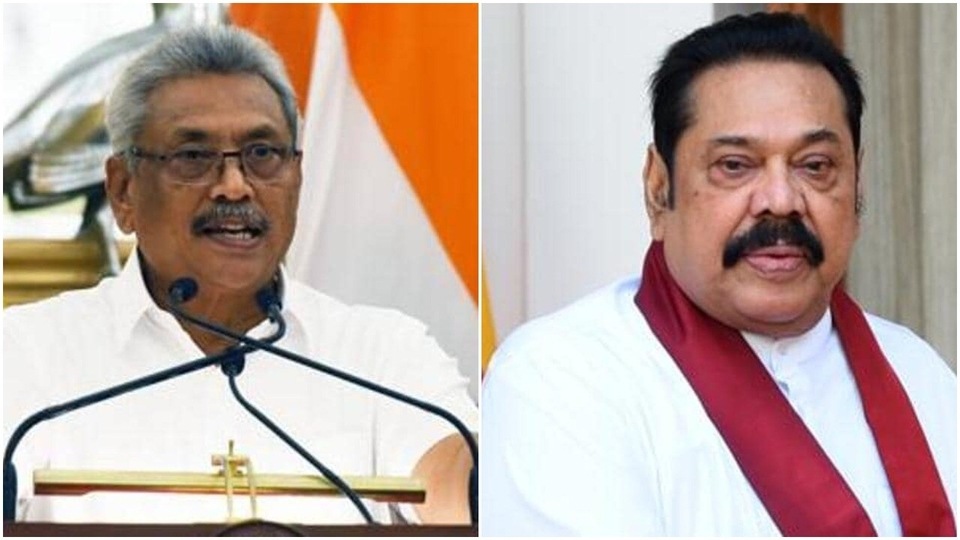
In such a situation, the president must appoint a care-taker government which will hold mid-term elections.
Interestingly, the political crisis emanating from the financial difficulties, has not been precipitated by the opposition or any political party but entirely driven by public outrage against the Rajapaksas.
The Rajapaksa brand name has suffered irreparable damage. While these developments don’t impact President Gotabaya’s constitutional position, but the public is also demanding his resignation.
ALSO READ: Chinese loans for white elephant projects pushed SL and Pak into present crisis
In the 225-member Sri Lankan parliament, the ruling Sri Lanka Podujana Peramuna had 117 members, with the ally SLFP having 15 members. Coalition partner 10 Party Alliance had 14 members. The opposition SJB had 54 members, TNA with ten members and others accounting for 15 seats.
After defections, the SLPP has been reduced to 105 members. The dissidents including those from the ruling party has gone up to 41 and is likely to increase. In a latest development, Sri Lanka's new finance minister Ali Sabry resigned a day after being appointed. He had replaced the youngest Rajapaksa brother Basil who was sacked by the president on Tuesday.
The opposition had rejected the president's offer of a unity government. This after all the ministers from the cabinet tendered their resignations to the Sri Lankan prime minister Mahinda Rajapaksa.
Massive protests have engulfed the country with people defying the 36-hour curfew imposed by the government. The island nation is going through a worst economic crisis with reports of shortage of essential supplies. People are forced to stand in long queues for fuel and cooking gas. The prices of essentials have also skyrocketed.


