
 E-Paper



‘Time to extend hand of peace’: Pakistan Army chief Gen Bajwa springs a surprise
General Bajwa’s move to tone down his rhetoric against India came at a time he and Prime Minister Imran Khan have been facing fierce attacks from an alliance of opposition parties

 Prefer HTon Google


Pakistan is committed to the ideal of mutual respect and peaceful co-existence and “it is time to extend a hand of peace in all directions”, Army chief General Qamar Javed Bajwa said in a surprise statement on Tuesday. The army chief’s remarks seen to be aimed at New Delhi were a sharp contrast to his strident pitch against India, particularly after New Delhi carried out aerial strikes at terror training camps in Pakistan-occupied Kashmir after the 2019 Pulwama bombing and later scrapped Jammu and Kashmir’s special status.
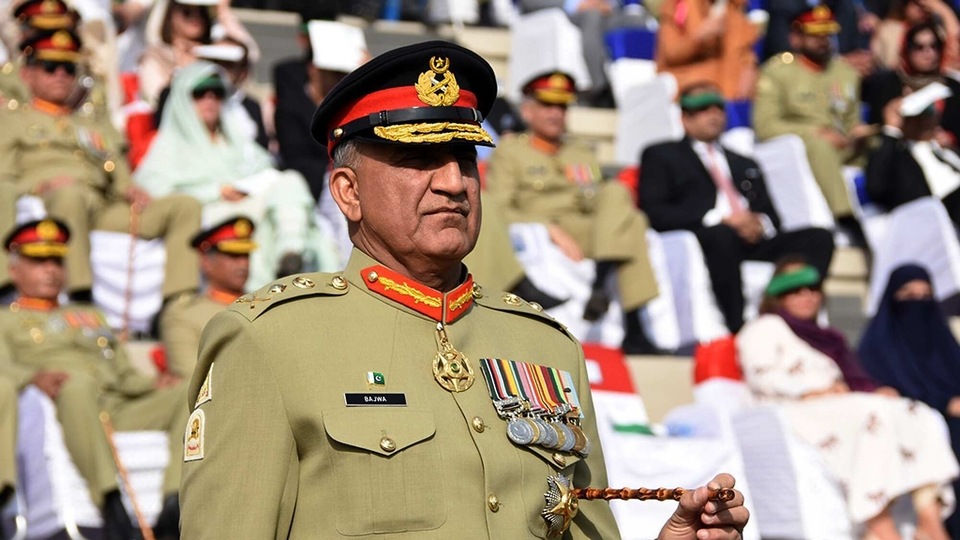
General Bajwa, who made the statement at the graduation ceremony of Pakistan Air Force cadets, continued. “Pakistan and India must also resolve the longstanding issue of Jammu and Kashmir in a dignified and peaceful manner as per the aspirations of people of Jammu and Kashmir and bring this human tragedy to its logical conclusion,” General Bajwa said at the military event, according to a statement issued by the military.
New Delhi has not reacted to the army chief’s remarks. A counter-terror official said it may be too early to conclude that General Bajwa had changed his position. “We will need to track if this is a one-off comment or there are other indicators of a possible change as well,” he said.
Either way, it will take a lot more than words to help put bilateral ties between the two arch-rivals back on an even keel. Pakistan, the official said, would have to take concrete steps to dismantle the terror infrastructure on its soil and end support to terrorists to convince New Delhi that it was serious about improving ties.
General Bajwa’s move to tone down his rhetoric against India came at a time he and Prime Minister Imran Khan have been facing fierce attacks from an alliance of opposition parties that joined hands last year to try to force PM Khan to step down.
A Pakistan watcher said New Delhi could be expected to respond to action rather than words, particularly after Prime Minister Narendra Modi took steps in the early part of his first tenure to mend ties. But his honest attempt to end the animosity by making an unscheduled visit to Pakistan was followed by an attack on the Pathankot airbase in December 2015.
Unwilling to let terrorists derail the peace process, India worked with Islamabad to act against the Jaish-e-Mohammed but found Islamabad unwilling to deliver on its promise.


