E-Paper


After selling his business in the late 1970s, Aaron Friedman spent nearly 20 years building eight miniature houses, now displayed in Mobile
Aaron Friedman built eight detailed miniature homes over nearly two decades, with help from his wife and a friend. The collection is now preserved in Mobile.

 Prefer HTon Google


After selling his business in the late 1970s, Aaron Friedman was looking for a new way to spend his time. A simple suggestion from his daughter-in-law to build a dollhouse for his oldest granddaughter eventually grew into an ambitious, nearly two-decade project that produced eight elaborate miniature houses.
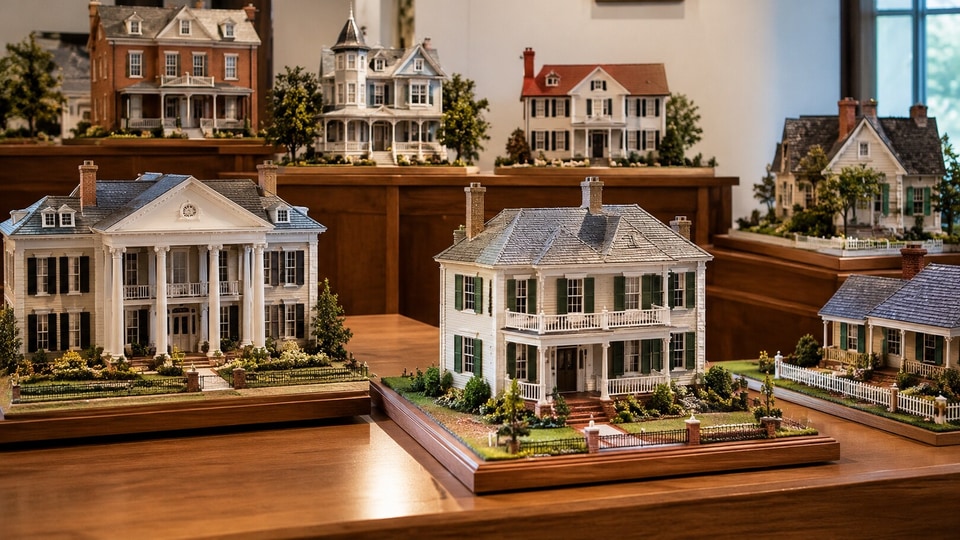
According to the History Museum of Mobile, Friedman, who lived from 1915 to 1997, had no prior experience building miniatures when he began the project. What started as a retirement hobby became a pivotal part of his later life, resulting in a collection that continues to attract admirers. The Aaron and Sarah Friedman Miniature Gallery maintains all eight of the miniature houses that each stand out for their individual character and exceptional attention to detail.
A retirement project that grew into a family legacy
The first miniature home made by Friedman was meant for his eldest granddaughter, Rachel. But as Friedman honed his craft, the task grew into a project that included a miniature house for each of his granddaughters and one for his wife, Sarah. At the minimum, each home took one year to be planned and built, changing what used to be just a pastime into something more tedious and painstaking. These homes were constructed on a one inch to one foot scale. This meant every architectural element had to be carefully proportioned. It was not like making toys; he made sure the look and feel of the real houses were captured.
The project also brought Aaron and Sarah closer through a shared creative pursuit. Sarah helped plan, furnish, and decorate the interiors, contributing handmade rugs, pillows, chair cushions, and other needlework. A family friend, Pearl Brook, created many of the window treatments, bedspreads, and additional decorative pieces. Therefore, Friedman’s case study shows how a new hobby can be an important component of one’s retirement years.
Tiny homes with realistic details
The miniature houses are notable for both how they are built and how they look. They have real wooden siding, fired brick facades, hand-made stone tiles, and carefully designed roof coverings. The doors and windows are movable, and there are operational electric systems such as small chandeliers and lamps. The rooms are decorated in different architectural and interior design styles. One example is a Victorian house with elegant wallpaper, textiles, and furniture, while other rooms reflect more modern design.
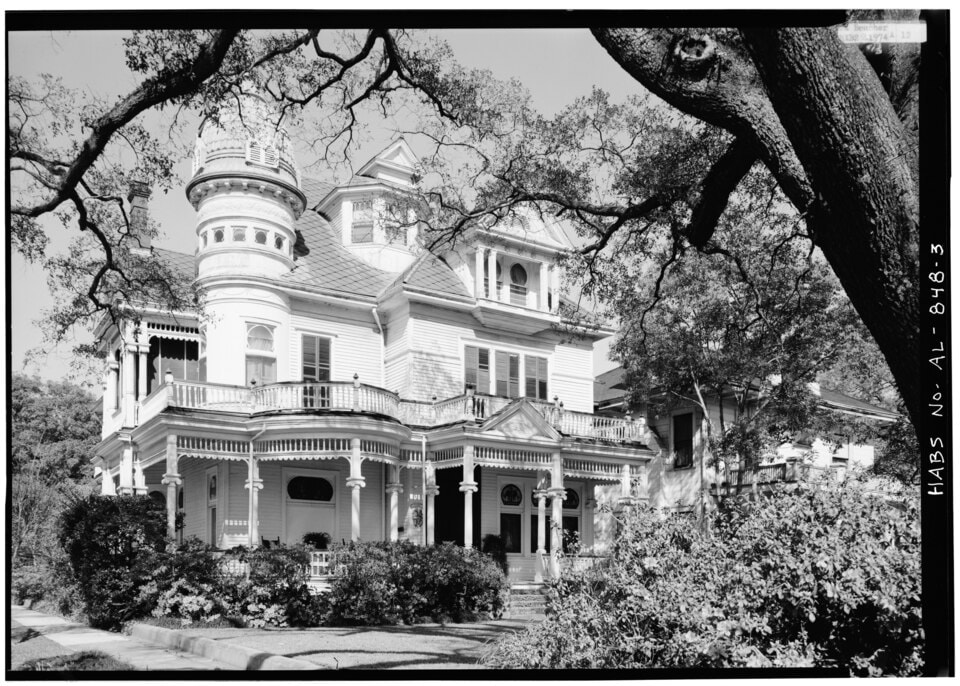
The houses include miniature china cabinets in dining rooms, food stored in kitchen cabinets, miniature vegetables on counters, and flower arrangements throughout. Other details include books and newspapers on bedside tables, slippers by the sides of beds, toys spread all over in the nursery, a nd monogrammed towels in bathrooms. Glasses lying on top of books or family photos kept above the fireplace can create a realistic ambiance of a living room in a miniature form. Each house also comes with a picture of its owner in addition to being an architectural wonder. This shows that building them takes more than simply assembling the parts. The construction reflects research, design, and decoration. For instance, Friedman would study the houses he wanted to recreate, photograph them, and then build them in miniature form.
A mobile attraction preserving a personal story
The Friedman Miniature Gallery has become a lasting part of the History Museum of Mobile’s permanent exhibitions. It is important in more ways than its technological success in having made eight model houses; there is also a family history in this collection.
His miniature-building project illustrates that possibility through a specific life story: retirement became an opportunity to develop a unique skill and create something memorable for the people he loved. These homes showcase the miniature furniture and architecture while revealing the time that went into each one. Friedman’s initial goal was rather modest, to create a dollhouse for his granddaughter but the result outlived Friedman and became part of Mobile’s heritage.