E-Paper


Do you have to show ICE your ID? Know your rights if you're stopped by agents
With ICE ramping up its raids across the US, here's what you must do if you encounter agents or are stopped by them.

 Prefer HTon Google


With ICE ramping up its raids across the United States, especially after the shooting death of Renee Nicole Good in Minneapolis, Minnesota, it is important for Americans to know their rights. You must know what ICE agents can and cannot legally do if you encounter them or are stopped by them.
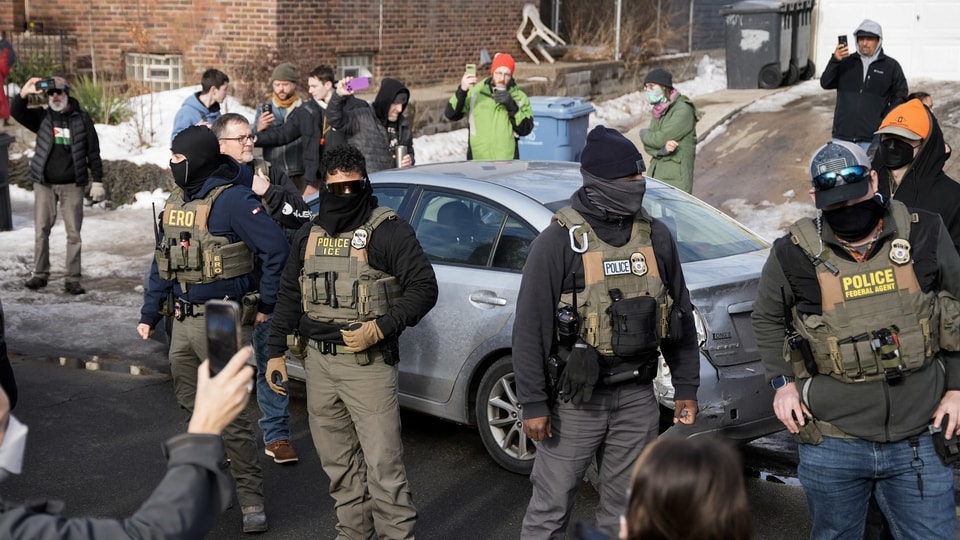
Good, a 37-year-old mother of three, was gunned down by federal agent Jonathan Ross after she allegedly struck him with her vehicle. While Democrats condemned the killing, President Donald Trump and the Department of Homeland Security claimed that Ross shot Good in self-defense.
Do you have to show ICE your ID?
According to NAACP, if you are stopped by ICE agents, you have the right to remain silent, the way it works with any other interaction with law enforcement. “If you are a U.S. citizen, you do not have to provide your ID or proof of citizenship with the exception of driving. If driving, you are required to give your driver’s license, registration, and proof of insurance,” NCAAP says. “If you are a U.S. citizen, you can say “I am a U.S. citizen and you do not have authority to arrest or detain me.” If they decide to arrest you anyway, you have grounds for a federal civil rights lawsuit alleging unconstitutional detention or arrest.”
NCAAP additionally says that you have the right to record any interaction with ICE “as long as you are not interfering with an arrest.”
Read More | Can ICE enter a home or business without a warrant? What to know amid increasing raids
In case you are arrested, you have the right to speak with a lawyer. NCAAP also advises individuals not to sign anything without the advice of an attorney.
According to the National Immigrant Justice Center, “You have the right to remain silent and do not have to discuss your immigration or citizenship status with the police, immigration agents, or other officials. Anything you tell an officer can later be used against you in immigration court.”