E-Paper


‘First Amendment violated’ decry many after Trump's '1 year jail for burning American flag' order
President Donald Trump signed an executive order mandating one year jail for burning the American flag.

 Prefer HTon Google


President Donald Trump on August 25 signed an executive order mandating one year jail for burning the American flag. He said there would be no possibility of an early release.
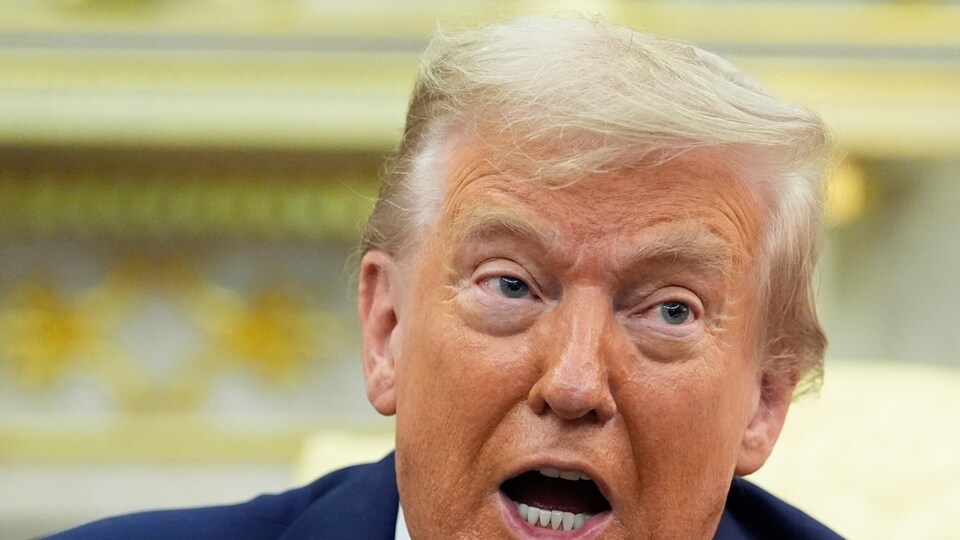
While signing the order, Trump acknowledged the Supreme Court’s 5-4 ruling in a case from Texas in 1989, that said flag burning was protected by the First Amendment of the US Constitution as a legitimate political expression.
“I guess it was a 5 to 4 decision. They called it freedom of speech,” Trump said. “But there’s another reason, which is perhaps much more important. It’s called death."
What Donald Trump said
Trump said that despite the Supreme Court's earlier ruling on flag burning, there was room to prosecute if it “is likely to incite imminent lawless action” or amounts to “fighting words.”
Trump added that burning the US flag “incites riots at levels we've never seen before," with some people “going crazy” over burning it and others expressing anger at people for burning it.
What does the order say?
The executive order states that desecrating the American flag is “uniquely offensive and provocative. It is a statement of contempt, hostility, and violence against our Nation — the clearest possible expression of opposition to the political union that preserves our rights, liberty, and security. Burning this representation of America may incite violence and riot.”
Also Read | Donald Trump wants more deals like Intel's, worrying Corporate America
It calls on the attorney general to prioritize enforcement “to the fullest extent possible” of criminal and civil laws against flag burning that cause harm unrelated to the First Amendment.
Foreign nationals who burn the flag could face having their visas, residency permits, naturalization proceedings and other immigration benefits revoked. They could also be deported, the order states.
'First Amendment violated' say many
Given Trump's order goes against an earlier Supreme Court ruling, many have decried it. FIRE, a page that says it defends and promotes free speech among Americans, wrote on X “You don’t have to like flag burning. You can condemn it, debate it, or hoist your own flag even higher. The beauty of free speech is that you get to express your opinions, even if others don’t like what you have to say.”
Clint Russell who hosts the Liberty Lockdown podcast wrote “I've never wanted to burn an American flag but I might do it today now that Trump violated the first amendment by making it illegal.”
“Once again I'm astounded at the number of people who would happily toss aside our First Amendment to just to protect a symbol,” yet another person commented.
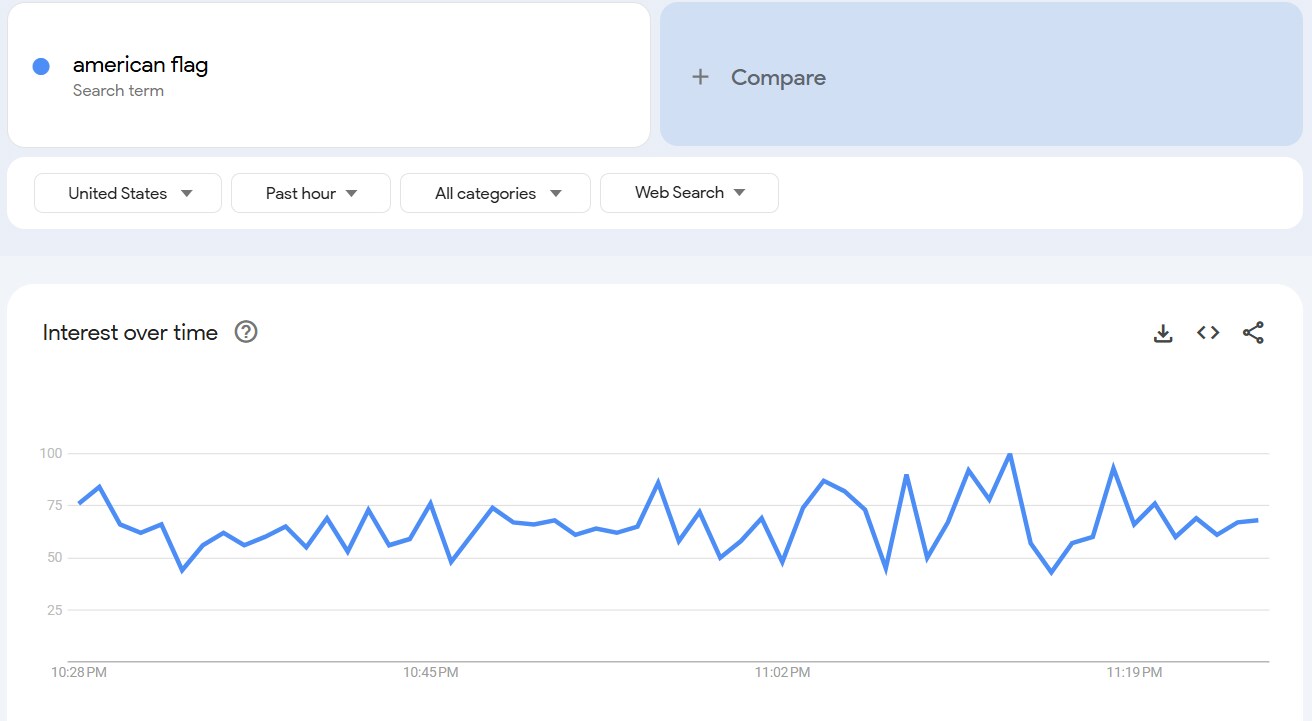
There were also search spikes for the terms ‘First Amendment’ and ‘American flag’ on Google Trends.

The search filters were set to the past hour, given the recency of Trump's actions.
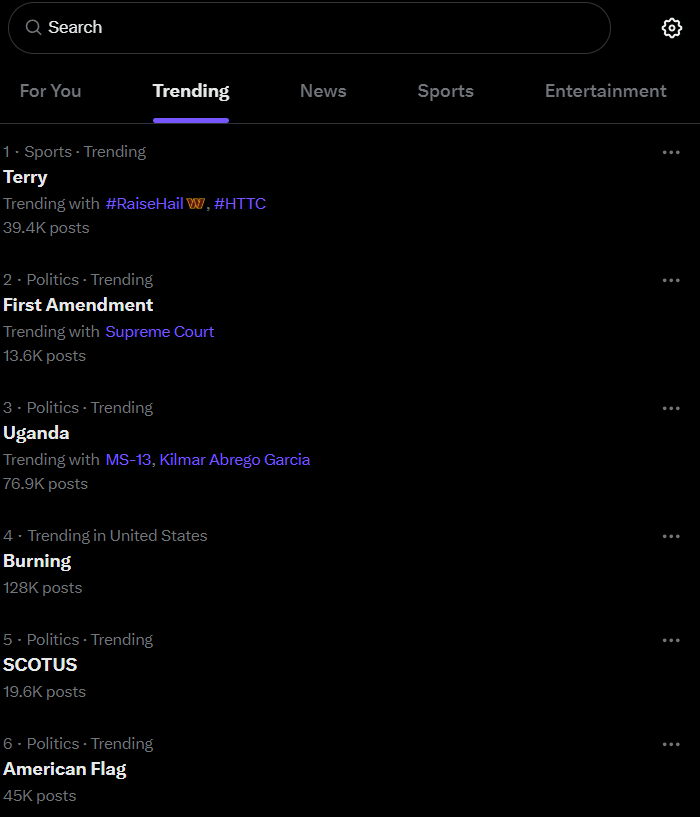
It became a talking point on X as well.
What did the earlier Supreme Court ruling say?
The previous Supreme Court ruling on flag burning in Texas v. Johnson (1989) favored the defendant and noted “freedom of speech protects actions that society may find very offensive, but society's outrage alone is not justification for suppressing free speech.”
The case stemmed from one Gregory Lee Johnson who burned the flag outside the convention center where the 1984 Republican National Convention was being held in Dallas, to protest then-President Ronald Reagan's policies.
Trump, when signing the order today said the court that had made this earlier ruling was a ‘very sad court’.
What does the First Amendment say?
The First Amendment states “Congress shall make no law respecting an establishment of religion, or prohibiting the free exercise thereof; or abridging the freedom of speech, or of the press; or the right of the people peaceably to assemble, and to petition the Government for a redress of grievances.”
Given that the earlier Supreme Court ruling had said burning flags fell within the broader purview of freedom of speech, Trump's executive order has come across as violative to many.
(With AP inputs)